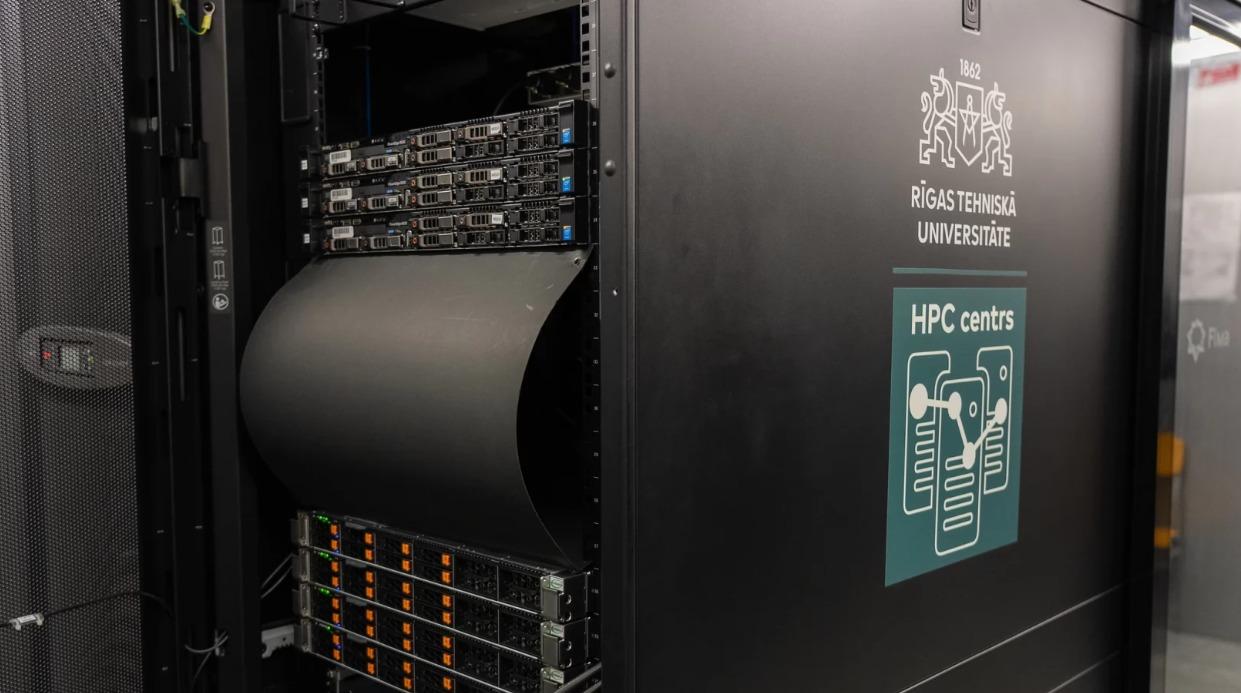
Early diagnosis of oncological diseases using the capacity of artificial intelligence and a supercomputer will now be possible in Latvia, as the new artificial intelligence data server of Riga Technical University (RTU) and the University of Latvia (UL), purchased with the support of Latvian computer networking equipment manufacturer SIA “Mikrotīkls”, has started operating. The official opening of the new server will take place on Wednesday, 8 July, at 12.00 at the RTU High Performance Computing Centre, Ķīpsalas Street 6B. During the event, there will be an opportunity to see the server itself and also to learn how science and high technologies work for the benefit of patients.
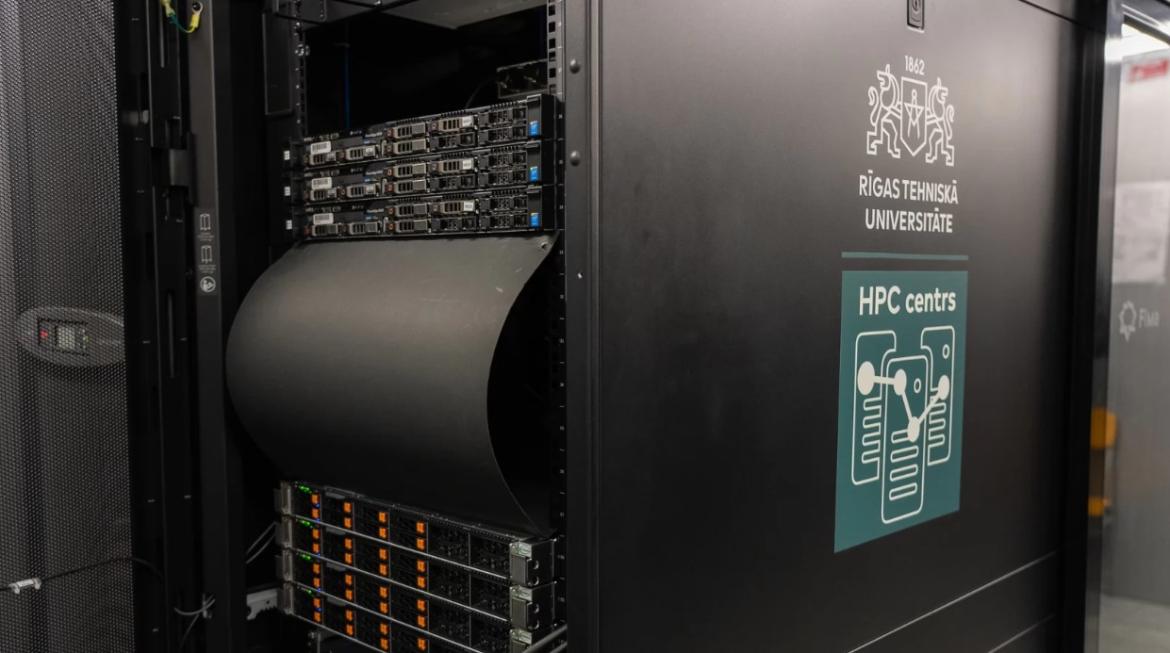
The new artificial intelligence data server will help carry out large-scale big data analysis, artificial intelligence and simulation solutions much faster in the fields of biomedicine and oncology, particularly in the early diagnosis of children’s oncological diseases. It is a modern resource base for research and entrepreneurship, strengthening artificial intelligence and high-performance computing (HPC), or supercomputer, competences and applications in Latvia.
The artificial intelligence data centre infrastructure is intended not only for the needs of RTU and UL researchers and students, but also for researchers and industry at the Children’s Clinical University Hospital (BKUS), Rīga Stradiņš University (RSU) and the National Research and Innovation Institute (NIRI). Infrastructure users will be provided with support by ensuring training, consultations and the involvement of experts, so that the new artificial intelligence infrastructure of the HPC centre can be used purposefully by as many interested parties as possible.
High-performance computing resources are already being actively used by Riga East Clinical University Hospital, the Institute of Food Safety, Animal Health and Environment BIOR, as well as by students in the development of their scientific work. During the event, there will be an opportunity to learn what specific studies are already being carried out at the HPC centre in the field of public health, particularly for the early identification of viruses and the study of innovative methods for treating oncological diseases.
Artificial intelligence and HPC are vitally important technologies that drive innovation and economic growth. The targeted development of these technologies helps Latvia increase the international competitiveness of science and industry, improve industry productivity, create new jobs with high added value, strengthen digital sovereignty and improve services for society, including in healthcare. So far, this has been hindered by limited access to data centres and resources, an insufficient number of specialists, and a lack of synergy between industry, academic and state institutions.
Thanks to the support of SIA “Mikrotīkls”, RTU has already modernised its high-performance computing infrastructure and promoted students’ skills in the field of health technologies, with a particular focus on the use of big data in the diagnosis of oncological diseases. The donation is administered by the RTU Development Fund.