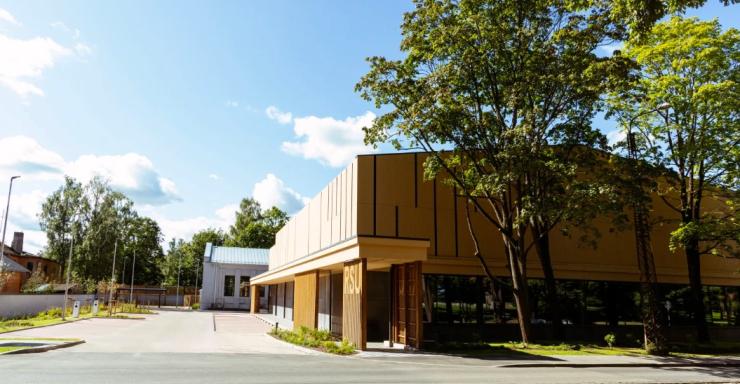
On 24 August, the new resource, Adaptations for Assessing Physical Abilities of Children with Functional Impairments, was presented in Riga at the professional development seminar Adapting EUROFIT Tests for Students with Special Educational Needs: Theory and Practice. The seminar brought together sports teachers and coaches who work on a daily basis with children and young people with functional impairments.
Practical Solutions for Inclusive Sport
RSU lead researcher Aija Kļaviņa emphasises:
“Sports professionals will now have access to practical solutions on how to adapt physical fitness tests and activities for children with different functional limitations.
The video resource developed by the researchers of the #IMRSportsLV project is the first freely available methodological tool of its kind in Latvia. It addresses a well-known challenge in the field, namely the lack of practical examples based on data obtained in Latvia that demonstrate how tests can be adapted to a child’s individual abilities and needs. Our goal is to ensure that a functional limitation does not become a barrier to assessing a child’s physical abilities and to their full participation in sports activities.”
Assessing Physical Abilities for Diverse Needs
The seminar focused on methods for assessing the physical abilities of students with various functional limitations, including physical, intellectual, visual, and hearing impairments. RSU lead researcher Aija Kļaviņa presented approaches to physical ability assessment, while Juris Šķilters, Professor at the University of Latvia, explained the fundamental processes of visual perception and visuospatial abilities in children with and without functional limitations.
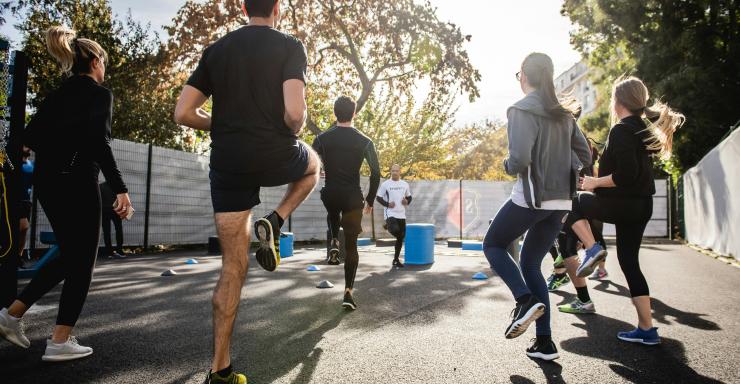
Nadija Strazdiņa, researcher at RTU Liepaja Academy, introduced both universal and specific adaptations of EUROFIT tests for students with special educational needs. During the practical part of the seminar, participants had the opportunity to perform EUROFIT tests themselves and explore how these tests can be adapted to meet different students’ needs.
The New Video Resource: Knowledge for Practical Application
This approach is particularly important in inclusive education, as the same standardised physical fitness test is not always equally suitable for all children. Adapting a test makes it possible to take a child’s functional abilities into account while still obtaining the information sports teachers need to plan appropriate physical activities.
The aim of the newly developed video resource is to transform research findings into a practical tool that can be used in everyday work by sports teachers and other specialists. It will help users not only understand the principles of adaptation but also practically select the EUROFIT test or physical activity variant that best matches a child’s abilities.
The material is one of the outcomes of the national research programme Sports project Innovations, Methodologies and Recommendations for the Development and Governance of the Sports Sector in Latvia.
Research Outcomes Contribute to a More Inclusive Sports Environment
The researchers’ objective is not only to generate new knowledge about physical activity and sport in Latvia, but also to translate scientific findings into practical solutions that can be applied by coaches, sports teachers, and other professionals in the field. The new video resource is one example of how research results can help create a more inclusive, safer, and more child-centred sports environment in Latvia.
The project Innovations, Methodologies and Recommendations for the Development and Governance of the Sports Sector in Latvia (VPP-IZM-Sports-2023/1-0001) is implemented by researchers from Riga Stradiņš University (RSU), including researchers from the RSU Latvian Academy of Sport Education, the University of Latvia, and Riga Technical University (RTU), including RTU Liepaja Academy. The project is funded through the Ministry of Education and Science's national research programme Sports.The project call is organised and administered by the Latvian Council of Science, which ensures the international external evaluation of project proposals and administers the programme.The project will continue until the end of 2026.