The fifth fixed call for proposals under the European Space Agency’s (ESA) Requesting Party Activity (RPA) in Latvia has concluded, approving 10 projects with a total budget of €1,581,267. Thanks to Latvia’s status as an Associate Member of ESA, Latvian companies and research institutions can receive annual funding for the development of space technologies and solutions.
Latvia has been an Associate Member of ESA for four years, during which the agency has supported various projects that advance space science, educational training in the field, innovative downstream applications, and flight segment activities. One of the projects supported this year will test and demonstrate the use of satellite data to remotely detect illegal construction activities and non-compliance. Baiba Vītoliņa, Director of the State Construction Control Bureau, one of the project’s collaborators, stated:
“The project will be a fundamental component of modern and technologically advanced oversight of the construction sector in Latvia. It will promote data-driven decision-making within the construction industry and beyond, helping to evaluate whether the use of satellite data could effectively address the challenges of illegal construction. Moreover, it will contribute to sustainable development by fostering an organised, transparent, and legally compliant construction environment.”
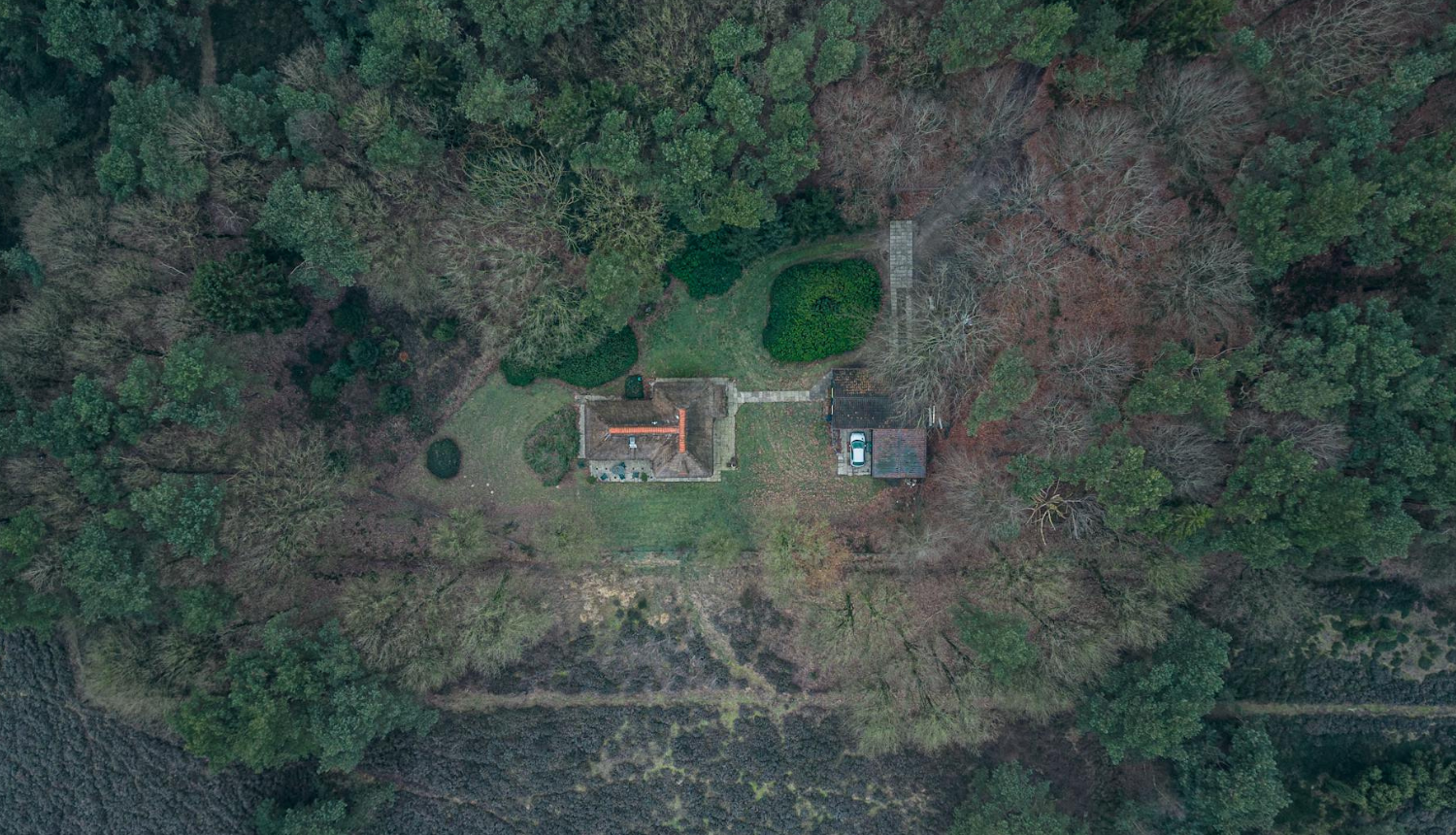
The project will test the use of open-access Sentinel satellite data to detect land cover changes associated with construction and high-resolution satellite data to verify information available in public records. Baiba Vītoliņa emphasised: “If the preliminary study findings and tests meet expectations, the commercial implementation of the solution will positively impact the national economy by reducing the negative effects of illegal construction and enhancing the overall reputation of the construction sector.” This initiative also highlights successful collaboration between public institutions and research organisations in using satellite data, with the potential to integrate these solutions into national services.
The project will be implemented by the Institute for Environmental Solutions, Visma Consulting, and Geodeticca (Slovakia), in collaboration with the State Construction Control Bureau, the State Land Service, and the Ogre Municipality. Participants will have the opportunity to test the use of satellite data for daily monitoring functions, evaluate its suitability, and outline subsequent steps for implementing the proposed solutions.
ESA’s report indicates that as of 30 September 2024, Latvia’s overall return coefficient from ESA programmes is 1. This is an impressive result for an Associate Member State that joined only recently. Notably, Latvia’s performance in optional programmes stands out, with a return coefficient of 1.14, exceeding the goals outlined in Latvia’s Space Strategy.
The space sector is vast and represents one of the policy areas of Latvia’s Ministry of Education and Science. Latvia’s participation in ESA benefits businesses, public administration, science, and education. Companies establish commercial contracts with the international space industry, develop new technologies, and acquire knowledge through ESA-led training programmes. Public administration benefits from the development of Earth observation services and solutions, which aid in the digitalisation of state supervision and control functions. ESA membership also supports compliance with EU regulations requiring the use of Earth observation data. Scientific institutions attract international funding that drives research and innovation in collaboration with industry, and they develop study programmes that equip students with the skills needed for the space sector. Latvia’s status as an ESA Associate Member also offers professional development opportunities for teachers. Currently, STEM educators can apply for free ESA training on valuable topics to incorporate into their lessons.
Latvia’s achievements in ESA programmes are not only significant milestones but also a testament to the country’s competitiveness in the space sector. This collaboration allows Latvia to use space data to improve daily life, foster sustainability, and support the development of next-generation technologies.
For more information on Latvia’s space sector, visit the ‘Latvia Space’ portal.
Foto: Pexels.com