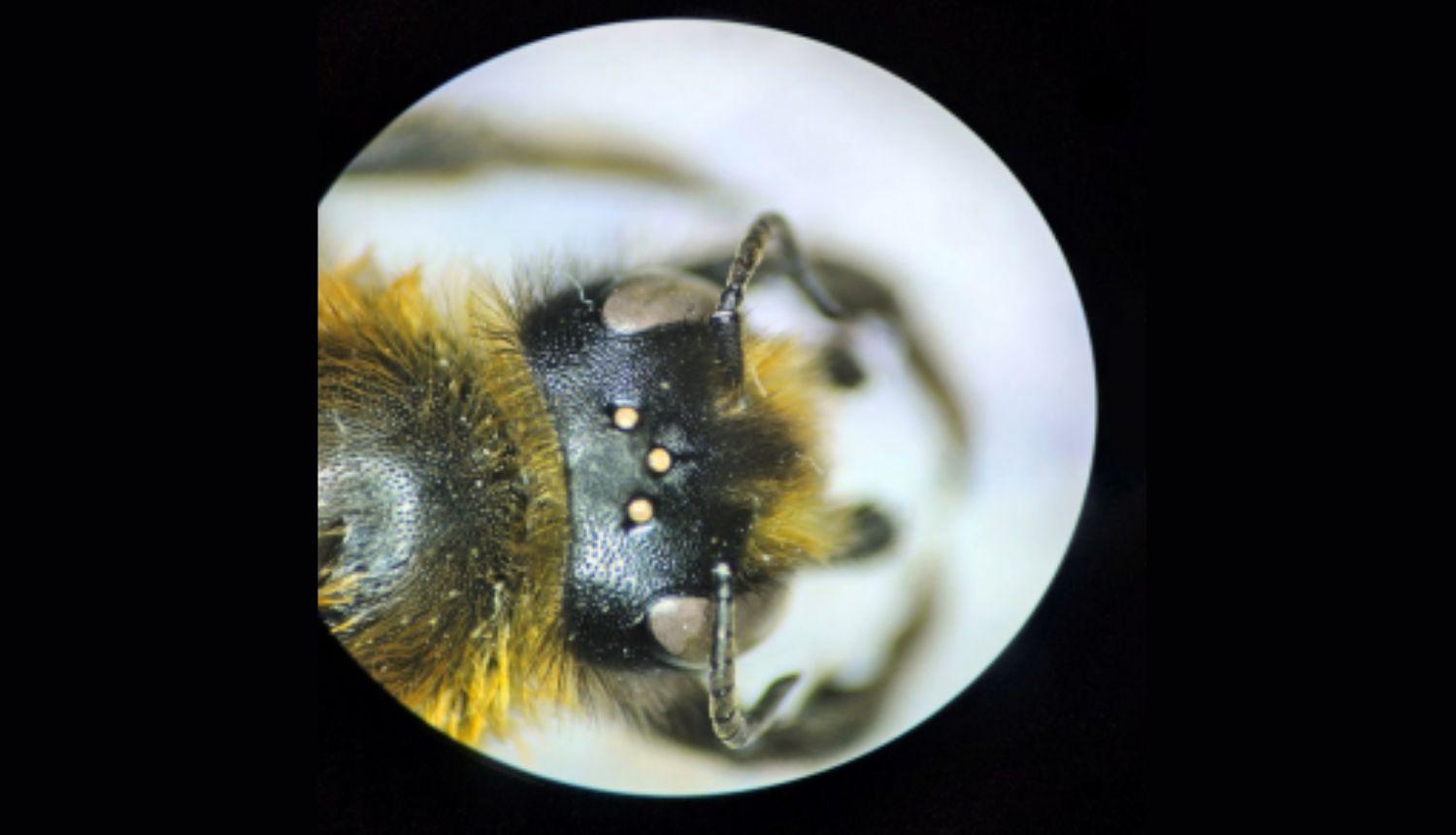
Environmental engineer Santa Ieviņa from the Latvian State Forest Research Institute "Silava" (LSFRI "Silava") has prepared a popular science article within the framework of the Latvian Council of Science-supported project Forest roads as multifunctional ecosystems: biodiversity, ecosystem services and disservices. The article describes an unusual yet scientifically significant process – “combing” bees. It explains how bee species are identified in the laboratory and why this is important for studying biodiversity.
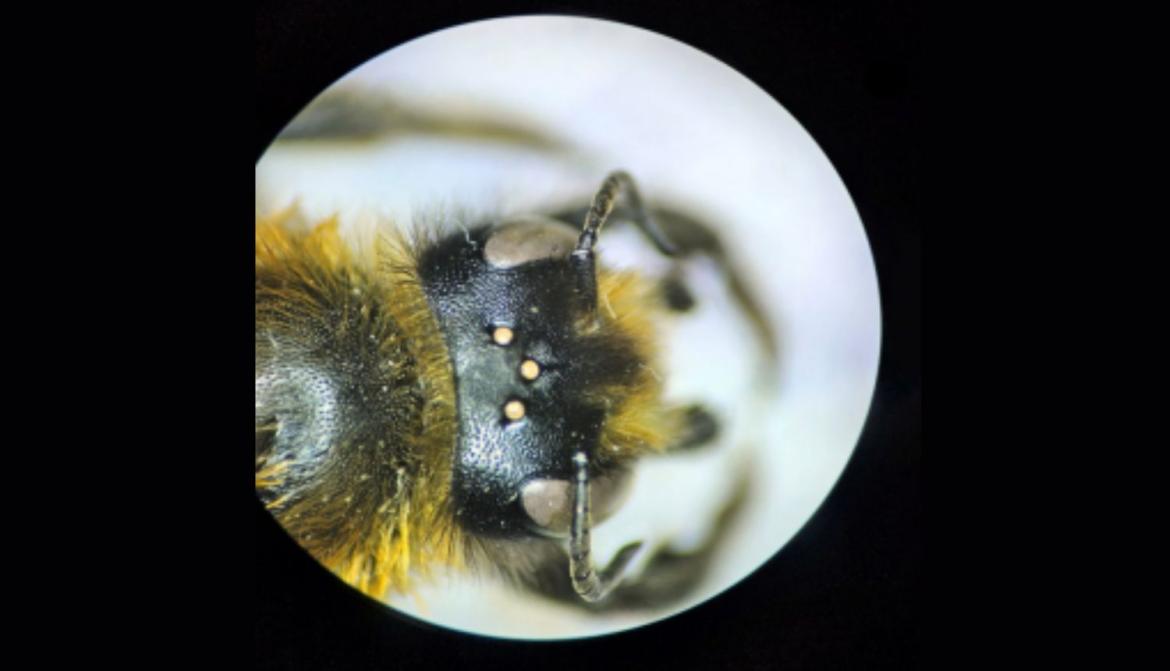
Although "combing bees" may sound like an amusing "bee hair salon", it is an important part of sample preparation. After being collected in the wild, bees are often stored in alcohol; in the laboratory, they are first dried, often with a hairdryer, and then carefully combed with a fine brush or toothbrush. This allows observation of features necessary for species identification, such as hair colouration and arrangement, wing venation, and antennal structure.
Pollinators, especially bees, play a crucial role in both food production and biodiversity maintenance. Research on bee species composition helps identify problems and plan solutions, for example, preserving flower-rich strips along agricultural fields, creating nectar-rich green spaces in cities, and implementing other pollinator-friendly management practices.
The article prepared by scientists at LSFRI "Silava" reveals that important research often involves patient laboratory work, including, quite literally, "bee grooming."
Santa Ieviņa’s article Saving humanity by combing bees