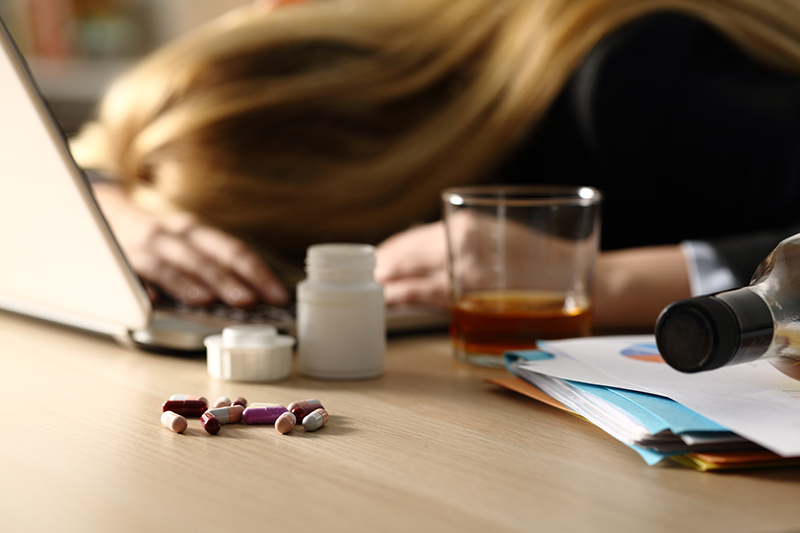
The simultaneous use of alcohol and medication leads to several health risks. It is recognized that individuals who engage in risky alcohol consumption are at a higher risk of inappropriate use of over-the-counter and prescription medications. But what is the real situation in Latvia?
In Latvia, a significant portion of the population engages in risky alcohol consumption — 20.6% in the last month. Data on medication use habits show that, in the past week, 31% of residents have used medications for headaches, 33.2% for other types of pain, 15.5% have taken sedatives, and 4.6% have used antidepressants. These findings are based on my master's thesis, which analyzed data from the Health Behavior Study database coordinated by the Center for Disease Prevention and Control (SPKC). (Note: These associations are not described in the SPKC report.)
What is Risky Alcohol Consumption, and How Common Is It?
Although risky alcohol consumption is one of the most frequently studied patterns of alcohol use, there is no consensus in research on the terminology. In this study, the World Health Organization (WHO) definition of risky alcohol consumption was used.
The WHO defines risky alcohol consumption as drinking at least 60 grams of pure alcohol in one sitting at least once per month. This amount corresponds to approximately 200 ml of vodka (five shots), 1500 ml of light beer (three 500 ml bottles), 600 ml of wine (four glasses), or 750 ml of sparkling wine (five glasses).
Analyzing data from 2,835 respondents revealed that, in the last month, men engaged in risky alcohol consumption more often than women — 35.1% compared to 9.5%. Gender differences in the prevalence of risky alcohol consumption are explained by physiological, cultural, and social factors. For instance, in many cultures, alcohol consumption is considered more socially acceptable for men than women. This is reinforced by gender norms that often prioritize men's rights over women's.
The Relationship Between Alcohol and Medication Use
Although overall medication usage habits did not differ significantly between risky alcohol consumers and non-risky consumers across both genders, gender-specific analysis revealed interesting and important results. Women who engage in risky alcohol consumption are twice as likely to use medications for headaches and sedatives, and 1.5 times more likely to use painkillers, compared to women without risky alcohol consumption habits. These trends were not observed among men. Furthermore, the likelihood of antidepressant use did not differ based on risky alcohol consumption for either men or women.
Read the full article in Latvian on the Delfi portal.
Photo: depositphotos.com