The University of Latvia’s Institute of Solid State Physics (UL CFI), the Institute of Electronics and Computer Science (EDI), and Riga Technical University (RTU), in collaboration with Swiss scientists, will research and develop solutions to enhance the stability of energy supply systems, advance next-generation battery development, and improve hydrogen production technologies.
Latvian universities and research institutes are partnering with Swiss institutions in this LACISE project under the Switzerland-Latvia Cooperation Program. Swiss collaborators include the Paul Scherrer Institute, the Zurich University of Applied Sciences, and the Swiss Center for Electronics and Microtechnology.
The project will leverage artificial intelligence to create innovative monitoring and planning tools that significantly improve energy supply security and promote the development of power grids, including their integration with renewable energy sources:
- Monitoring tools will enable the quick identification and resolution of grid disruptions using real-time data and advanced ICT technologies.
- Planning tools will facilitate efficient grid expansion, ensuring stability even under variable renewable energy conditions. An optimization model will be developed to efficiently manage networks.
The development of new technologies to improve the lifespan and efficiency of next-generation batteries is critical for sustainable energy storage. In this project, scientists from UL CFI's Energy Materials Laboratory will design batteries with longer lifespans and higher capacity, reducing the use of critical materials. They will also explore the utilization of aluminum waste for hydrogen production. Meanwhile, RTU's Institute of Materials and Surface Technologies will develop new catalysts for producing hydrogen from water using solar energy.
The project not only aims to address existing energy challenges with innovative solutions but also fosters international scientific collaboration, ensuring sustainable energy production and storage for the future.
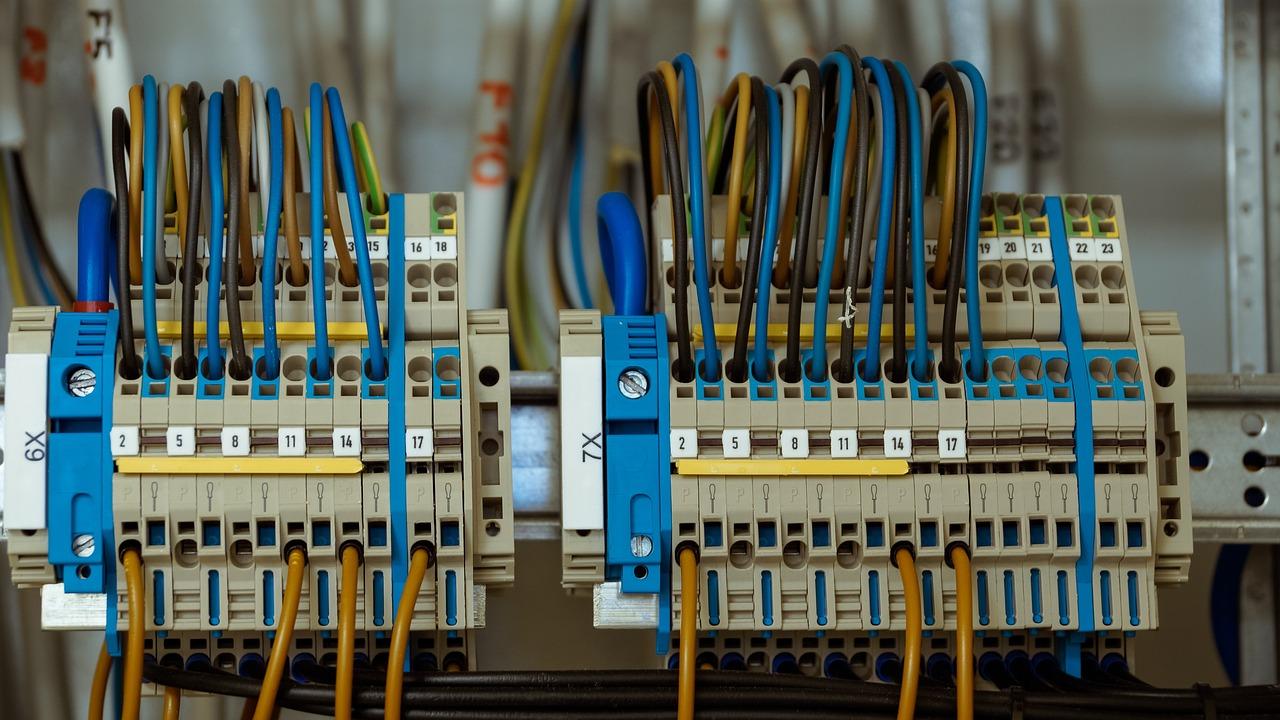
Photo: Pixabay.com