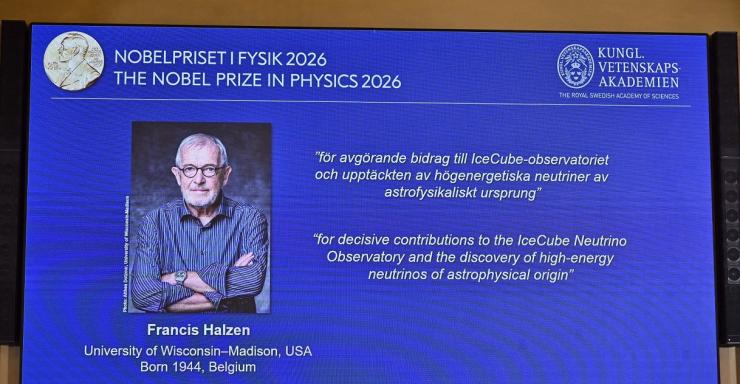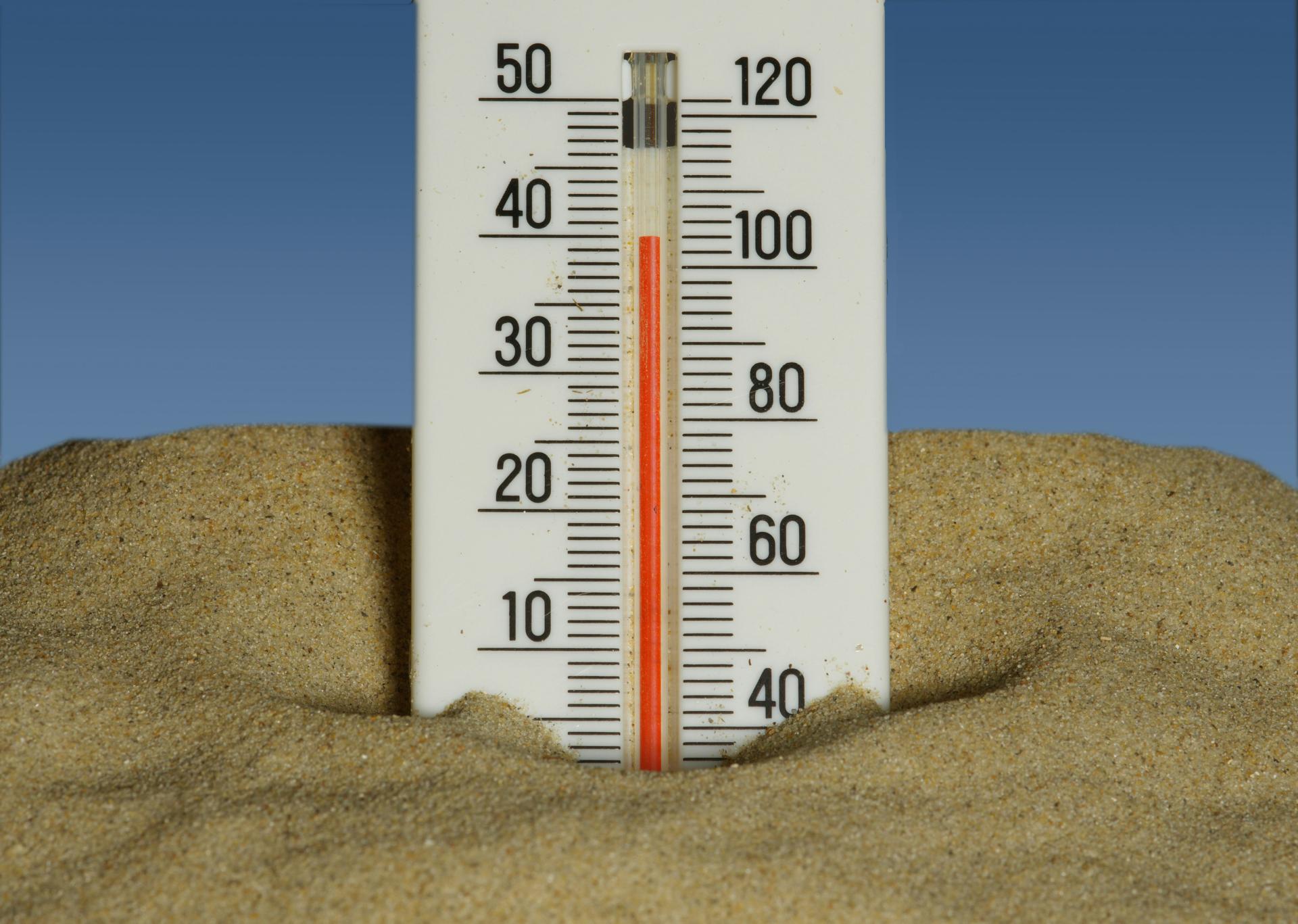
In recent days, Latvia has been experiencing very intense heat, but it is most severe in France, Spain and Italy, as well as in parts of the United Kingdom, Germany and Switzerland. Why are such heatwaves occurring increasingly often? And will they become increasingly intense in the future? Science explains.
El Niño
In mid-June 2026, the “El Niño” phase began worldwide, and forecasts indicate that this time it could be one of the strongest, if not the strongest, since systematic observations began in the middle of the last century. Strong “El Niño” phases are referred to as “super El Niño”.
El Niño (Spanish: El Niño – Boy or child) is a global natural phenomenon involving the ocean and the atmosphere. El Niño is one of the most pronounced global cyclical climate changes, occurring over several years. El Niño is an abnormally large increase in the surface water temperature of the Pacific Ocean (more than 0.5 °C for more than five months). Such warming occurs irregularly every 2 to 7 years and usually lasts for 1–2 years.
El Niño has an enormous impact on the climate of the Southern Hemisphere and the entire world.
A very strong “El Niño” typically raises the global air temperature by approximately 0.2 degrees Celsius as the heat accumulated in the ocean enters the atmosphere.
What is the impact of El Niño in Latvia?
Latvia’s youngest meteorologist, Martins Bergšteins, explains that “El Niño” is a phenomenon associated with the Pacific Ocean. It occurs when the ocean water around the equator becomes warmer than usual. The opposite phenomenon is “La Niña”, when the water becomes cooler than normal. Both of these phenomena affect global weather patterns.
“During ‘El Niño’ years, the global temperature usually rises more frequently. It is highly likely that, at some point, we will exceed the highest average global temperature ever recorded in the history of observations,” says Bergšteins.
“New records will be broken not because ‘El Niño’ itself has changed radically, but because the deviation from the norm is being superimposed on the already rapidly rising baseline temperature of the planet,” Martins Bergšteins continues.
In Latvia, the impact of “El Niño” is not direct or unambiguous, but it can influence overall weather patterns in Europe together with other natural processes.
“We are too far away, and our weather is determined more by processes over the Atlantic and the Arctic,” Bergšteins adds. However, there may be a slight indirect impact — against the backdrop of existing climate change, a strong “El Niño” may become a “springboard” for local heatwaves in Europe to become even more intense.
Heat records in Europe
Meanwhile, the intense heatwave at the end of June that has engulfed Western Europe is being sustained by a weather phenomenon known as an omega block.
Here is what you need to know about omega blocks and whether climate change could make them more frequent in the future.
The phenomenon takes its name from the last letter of the Greek alphabet — “Ω”, or “omega”. In this case, the choice of name is directly related to the visual appearance of the letter.
The “blocking” element refers to the way in which a high-pressure area of warm air appears to become stuck. Under normal conditions, the jet stream steadily carries weather systems from west to east.
However, during an omega block, this flow is disrupted and can bend sharply northwards and southwards, isolating the pressure systems. Weaker steering winds and smaller temperature differences in the atmosphere contribute to the formation of these slow-moving and long-lasting weather patterns.
As a result, hot and stagnant air remains over the same area for a prolonged period. An omega block usually lasts from three to ten days, but such conditions can also persist for several weeks.
Under the high-pressure area in the centre, the weather becomes hot and dry. The high pressure also suppresses cloud formation, creating clear, sunny skies that allow temperatures to rise.
It is precisely these weather conditions that are heating European countries, where temperatures have exceeded 40 degrees Celsius (104 degrees Fahrenheit).
The European heatwave is the largest to date, scientists say
The heatwave that has swept across Western Europe is the most severe and widespread to date.
They have found that almost half of Europe’s 850 largest cities are also experiencing their most intense heat stress to date — a combination of temperature and humidity. In more humid conditions, sweating is less effective at cooling the body, making heatwaves even more dangerous.
Extremely high heat is dangerous to people’s health and even their lives. Older people, children and people with chronic illnesses are most at risk.
Scientists warn that without urgent climate action, heat conditions will become even more extreme in the future, and the current summer may seem relatively cool in retrospect.

Remember!
The Centre for Disease Prevention and Control reminds that, when in the sun, it is advisable to protect yourself by wearing lightweight, light-coloured clothing that does not make you hot but covers the body. A head covering will help protect you not only from UV radiation but also from infrared heat rays, preventing heatstroke.
You should also drink plenty of fluids, with water being the best choice.
Children must not be left unattended, and, where possible, the health of elderly people or patients with chronic illnesses should also be monitored. If overheated, it is by no means advisable to enter bodies of water suddenly, as this increases the risk of drowning.
When outdoors, SPF sunscreen must be used: regular use of sunscreen helps prevent premature skin ageing, pigmentation spots and wrinkles, as well as reducing the risk of developing skin cancer, including melanoma.
More information about the importance of SPF sunscreen in hot weather is available here.
Information sources used in the article: Delfi.lv, The Guardian, dw.com