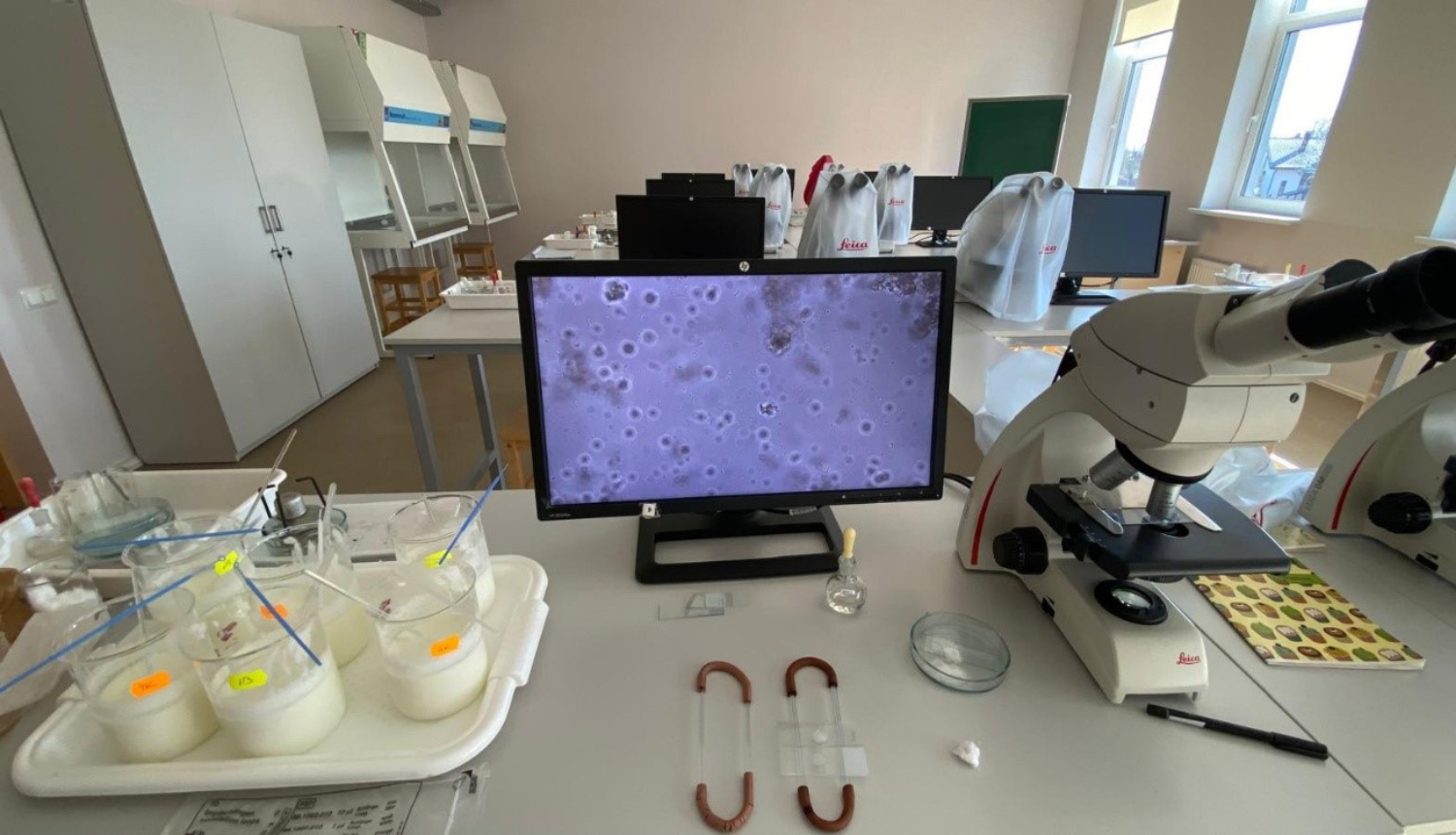
Fermented dairy products are not just a popular everyday food product – they occupy a leading position in the functional food market and play an important role in the prevention of both acute and chronic diseases. A study is being conducted at the Latvian University of Biosciences and Technology (LBTU) that explores the multidimensional importance of these products – not only as a source of probiotics, but also as a rich source of bioactive compounds with a potentially wide impact on human health.
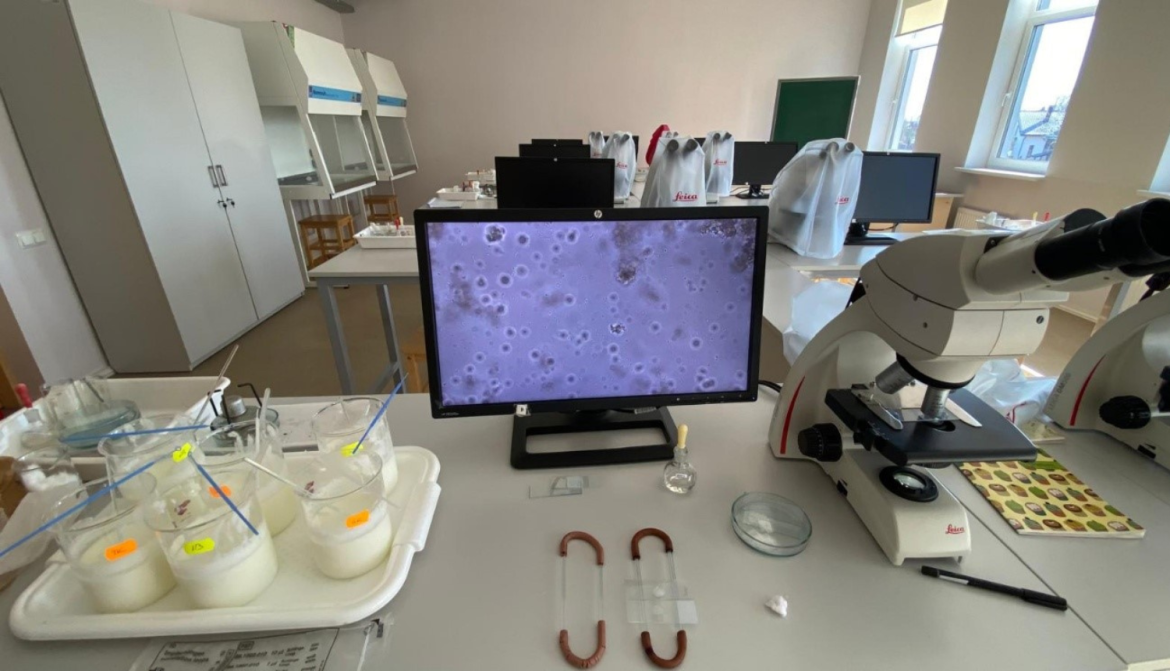
Lactic acid bacteria, which are used in the production of fermented milk products in the form of starters, are capable of producing several valuable compounds – lactic acid, amino acids, fatty acids, B vitamins and even antibacterial substances. However, despite the wide range of starters and fermented products on the market, there has been a lack of comprehensive research on their overall quality and potential. The project "Assessment of bioactive compounds in fermented milk products: a new approach" (AF21) implemented by LBTU aims to create a new understanding and systematic view of these products in a scientific context.
The aim of the project is to assess both qualitatively and quantitatively the biologically active compounds formed by fermenting both organic and conventionally produced milk with different starter cultures. The impact of milk origin on the quality of the fermented product is investigated, with a particular focus on differences in the composition and content of compounds. This approach allows for a deeper understanding of how different factors affect not only the taste and consistency of the product but also its nutritional value and potential impact on human health.
Jeļena Zagorska, associate professor and leading researcher at the Food Institute, explains what has been accomplished in the project: "So far, research has been conducted on the quality of milk obtained from organic and conventional agriculture - the composition of amino acids and fatty acids, bactericidal compounds, and carbohydrates have been analyzed. Experiments have also been launched with various starter cultures, assessing their activity and viability during storage. Special attention is paid to free amino acids and fatty acids, protein fractions - compounds that are formed during milk fermentation and can significantly affect the effect of the final product."
The results of the study have already received international recognition - the data were presented at the conference "Nutrition and Health 2024" and the first results were published in the scientific article "Analysis of fatty acids and antibacterial whey proteins in organic and conventional milk: potential influence on lactic acid bacteria growth". The information obtained during the project is important not only for scientists, but also for nutritionists, students, consumers and food manufacturers, helping to make more informed decisions about food choices and production technologies.
LBTU researchers continue their work to provide a new perspective on fermented milk products as a versatile health and nutritional resource.
The grant "Assessment of bioactive compounds in fermented milk products: a new approach" is implemented within the framework of the project "Strengthening LBTU institutional capacity for excellence in studies and research".