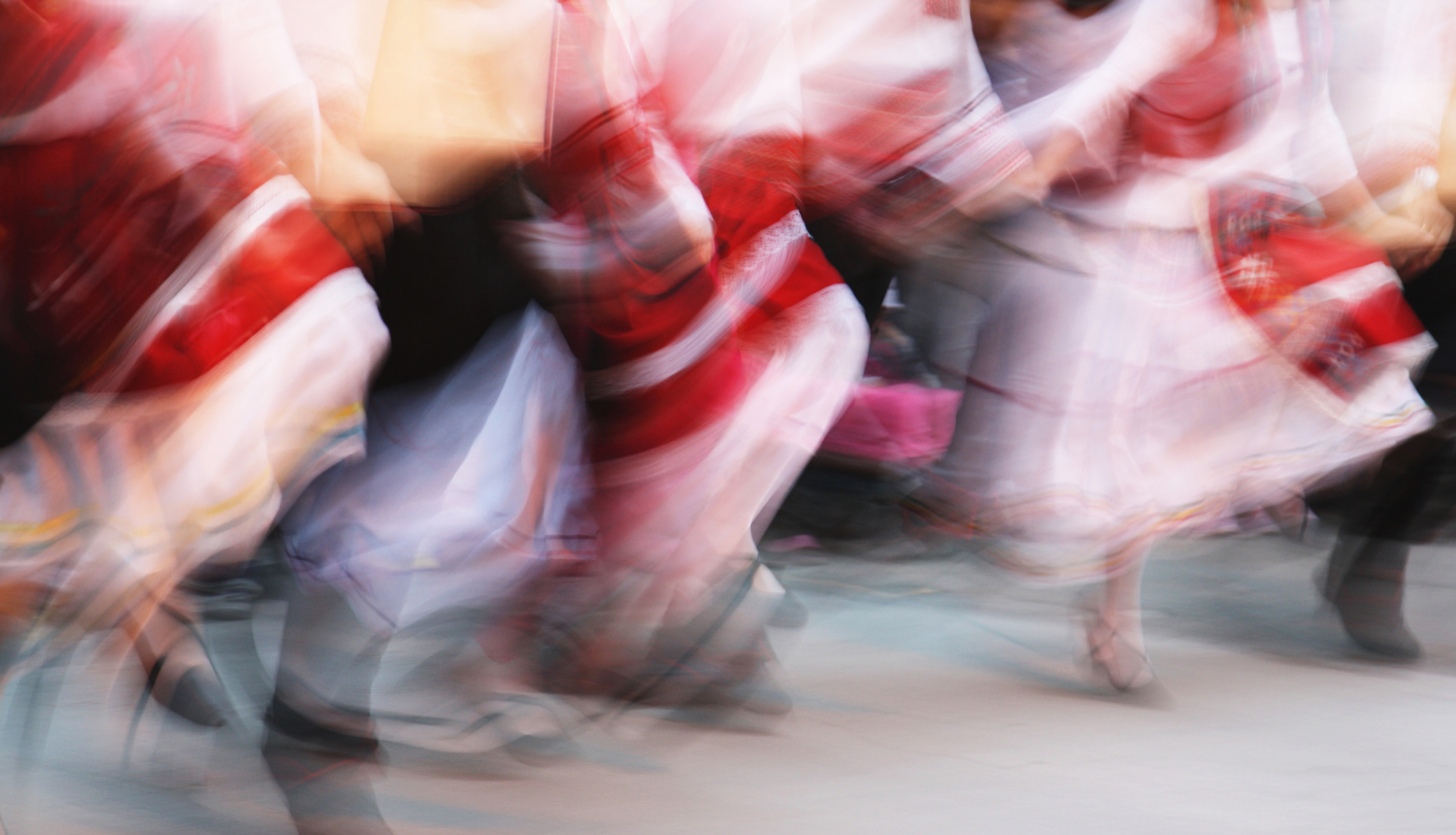
The 13th Latvian School Youth Song and Dance Festival will bring together thousands of students from all over Latvia in Riga, uniting them through song, dance, and shared experience. This unique cultural and traditional phenomenon, taking place from 5 to 13 July 2025, can also be viewed from a scientific perspective. The Latvian science communication platform researchLatvia explores how folk dancing, singing, and collective activities influence children’s physical, emotional, and social development.
Folk dance makes a valuable contribution to children’s physical development – it enhances coordination, a sense of rhythm, and endurance.
To support children’s holistic growth, dance lessons can be complemented with movement-based games and exercises that train speed, flexibility, and muscular strength. This approach helps ensure a balanced physical load and strengthens the foundation for lifelong health.
Scientific studies have shown that dancing also has a positive impact on children’s mental and emotional well-being. For example, a pilot study in Denmark demonstrated that participation in structured folk dance programmes improved students’ self-confidence, reduced anxiety, and supported emotional balance. Similar results have been observed in studies from the UK and the US, where dancing was found to lower cortisol (the stress hormone) levels and improve mood.
One of the key elements of the Song and Dance Festival is the promotion of social cohesion. Psychology has long recognised that synchronised movement – such as dancing or singing together – fosters a sense of belonging, enhances empathy, and strengthens group collaboration skills. Children and young people participating in large ensembles develop teamwork abilities, respect for structure, and shared responsibility.
Dancing is also closely linked to cognitive development. It exercises memory (learning choreography), spatial awareness, concentration, and creativity. Research shows that children who regularly participate in dance tend to improve their academic performance, particularly in languages and mathematics.
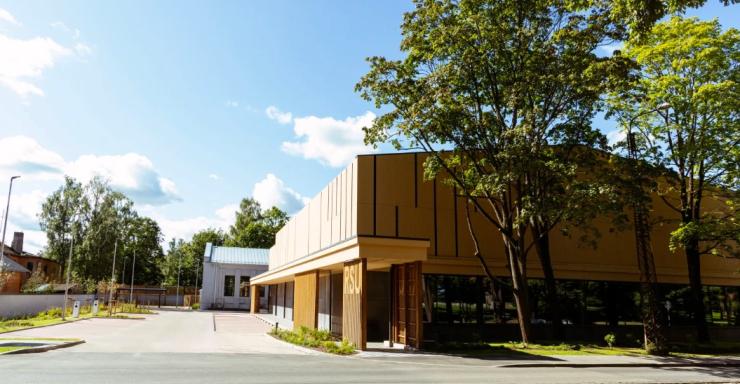
Participation in the Song and Dance Festival is a joyful cultural event that becomes a significant milestone in a young person’s life. At the same time, science clearly shows that for folk dance to contribute to a healthy lifestyle, it should be part of a broader system of physical activities – including general sports, movement play, and rest. A study conducted by researchers from Riga Stradiņš University analysed the impact of folk dance on children’s physical fitness and body mass index (BMI). While children who dance are generally more physically active than those who do not participate in sports, the overall amount of physical activity was found to be insufficient – averaging only around 180 minutes per week, whereas the World Health Organization recommends at least 420 minutes per week (i.e., 60 minutes per day).
The Song and Dance Festival is a cultural event of many layers – it nurtures children’s and young people’s movement skills, emotional intelligence, and sense of belonging. Research confirms that such experiences support healthy development and strengthen social foundations from an early age. By combining tradition with a modern understanding of children's needs, we can create an environment where children grow up strong, creative, and socially engaged.