On May 6 at 9:00 AM, the University of Latvia’s Institute of Solid State Physics (ISSP UL) will host the launch of a major Swiss–Latvian cooperation programme project in the fields of ICT and smart energy—“LACISE”, part of the “Applied Research” initiative.
The opening event will be attended by representatives from the Embassy of Switzerland, Latvia’s Ministry of Education and Science, the Latvian Science Council, and key industry partners, as well as project consortium members from both Switzerland and Latvia.
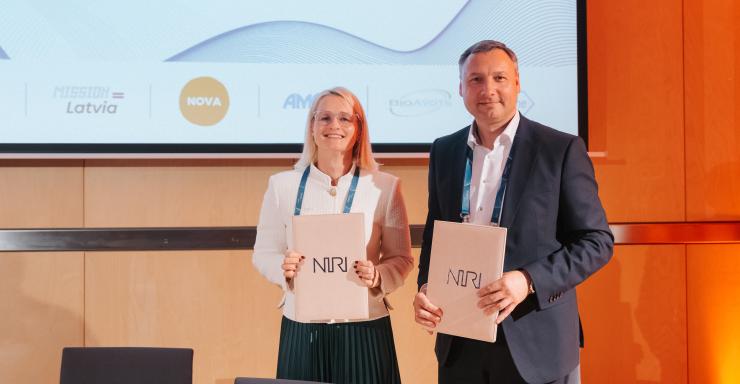
During the event, industry stakeholders from Naco Technologies, Latvenergo, Riga Airport, the Latvian Hydrogen Association, and the Riga TechGirls platform will participate in the establishment of the project’s Stakeholder Advisory Board and engage in a collaborative discussion. They will also sign a memorandum of understanding to formalize cooperation within the “LACISE” project, aimed at achieving the project’s goals. The launch of “LACISE” will also mark the first step toward creating a Swiss–Latvian Competence Centre.
The “LACISE” project (2025–2029), part of the Swiss–Latvian Cooperation Programme, will focus on addressing today’s most pressing energy challenges and educating the next generation of scientists. It will foster strong cooperation between researchers from the Institute of Solid State Physics, University of Latvia (LU CFI), the Institute of Electronics and Computer Science (EDI), Riga Technical University (RTU), the Paul Scherrer Institute (PSI), Zurich University of Applied Sciences (ZHAW), and the Swiss Center for Electronics and Microtechnology (CSEM).
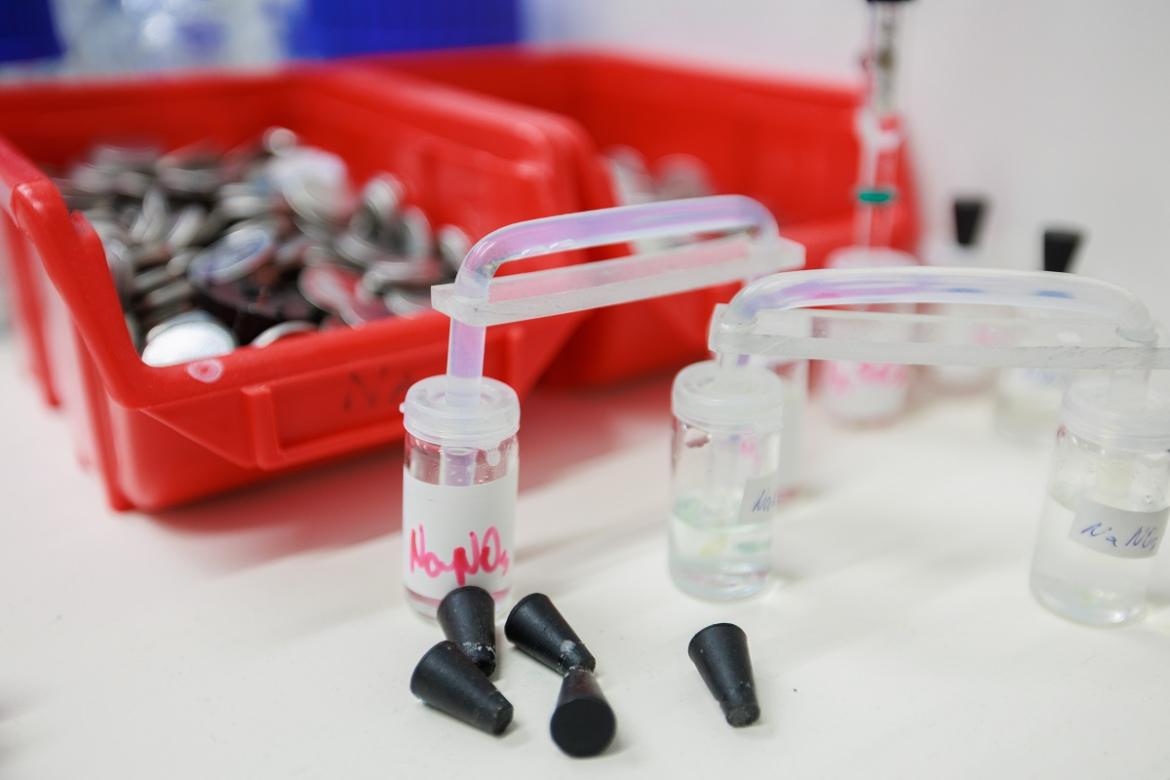
The project will develop both short- and long-term solutions in key energy sectors to enhance energy system stability, support the advancement of next-generation batteries, and improve hydrogen production technologies. A major emphasis will be placed on engaging young people—especially girls—in STEM, with the goal of increasing youth participation in these fields and ensuring a diversity of perspectives and ideas to drive innovation and tackle complex scientific challenges.
Through close Swiss–Latvian collaboration, this ambitious research programme not only strengthens Latvia’s scientific capacity and talent pipeline but also contributes to the development of innovative solutions with real impact—supporting the circular economy, environmental restoration, and partnerships with industry. It ensures that scientific progress drives growth, energy innovation, and shapes a sustainable future for the country.
Media representatives are also invited to participate in the event. More information about the project: “LACISE” vietne
______________________________________
About ISSP UL:
The Institute of Solid State Physics of the University of Latvia is an internationally recognized leader in materials science and interdisciplinary research in the Baltic Sea region. The Institute employs 300 staff, including more than 100 highly qualified scientists, conducting internationally competitive research, educating students and offering innovative research solutions for industry.