Genetics determines how strong our health will be, as well as what we inherit from previous generations. However, not only do our individual genetics matter, but also the genome of a larger population. By studying this, it will be possible to identify the genetic causes of diseases more successfully, as well as improve healthcare opportunities.
At the Latvian Biomedical Research and Study Centre, a unique biobank has been created that, in the future, may help both scientists in various studies and doctors in predicting and diagnosing diseases.
"In the main storage facility of the biobank, there are samples of the genomes of Latvian residents. More than 40,000 Latvian residents have already participated, which makes up quite a significant percentage of the Latvian population - this is highly representative for various studies," says Professor Jānis Kloviņš, molecular biologist, introducing the genome data bank created at the Latvian Biomedical Research and Study Centre.
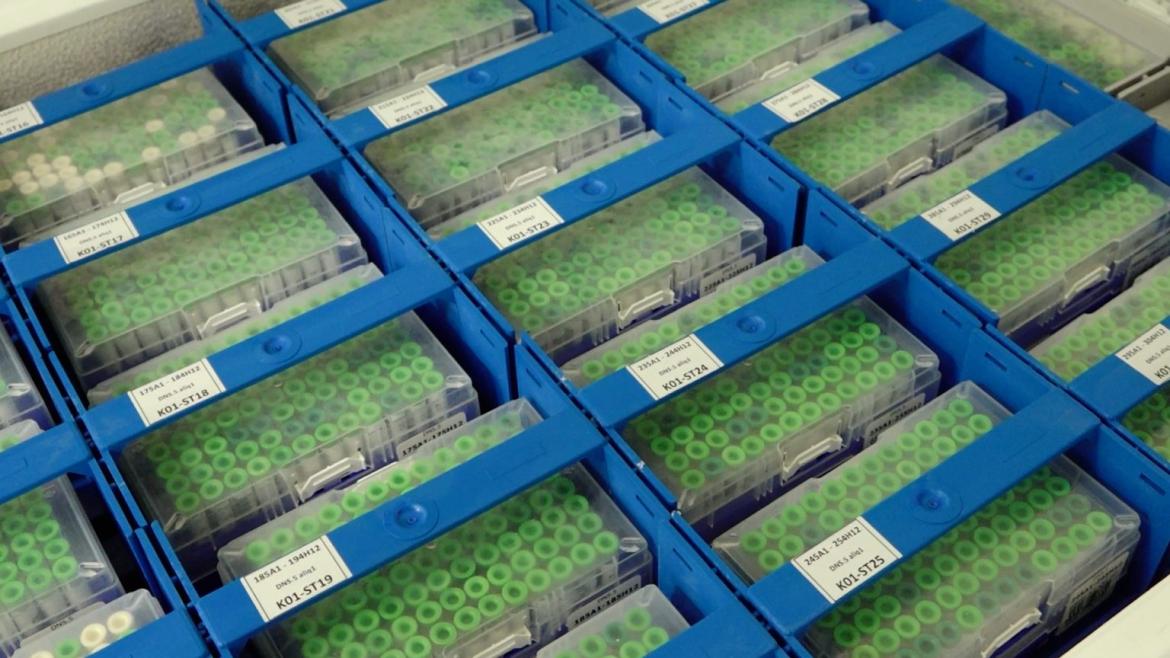
"Most samples are stored at minus 80 degrees to ensure absolute safety. That is an extremely low temperature. The format is as follows: in one rack, there are several boxes, up to ten, and in each box, there are 96 human DNA samples. This means that one rack holds material from about 1,000 people," Kloviņš explains.
As noted by Monta Brīvība, Head of the Genome Centre and researcher, the biobank is also being enriched through the contributions of Latvian researchers participating in the European initiative “1+ Million Genomes.”
"This means that almost all European countries are trying to explore the genomes of their populations. We joined this initiative quite early. Our goal within this project is to sequence the genomes of 3,500 Latvian residents, because we want to understand what is happening within our DNA sequences," says Monta Brīvība.
For this project, residents who were willing to donate their blood samples voluntarily were invited to participate.
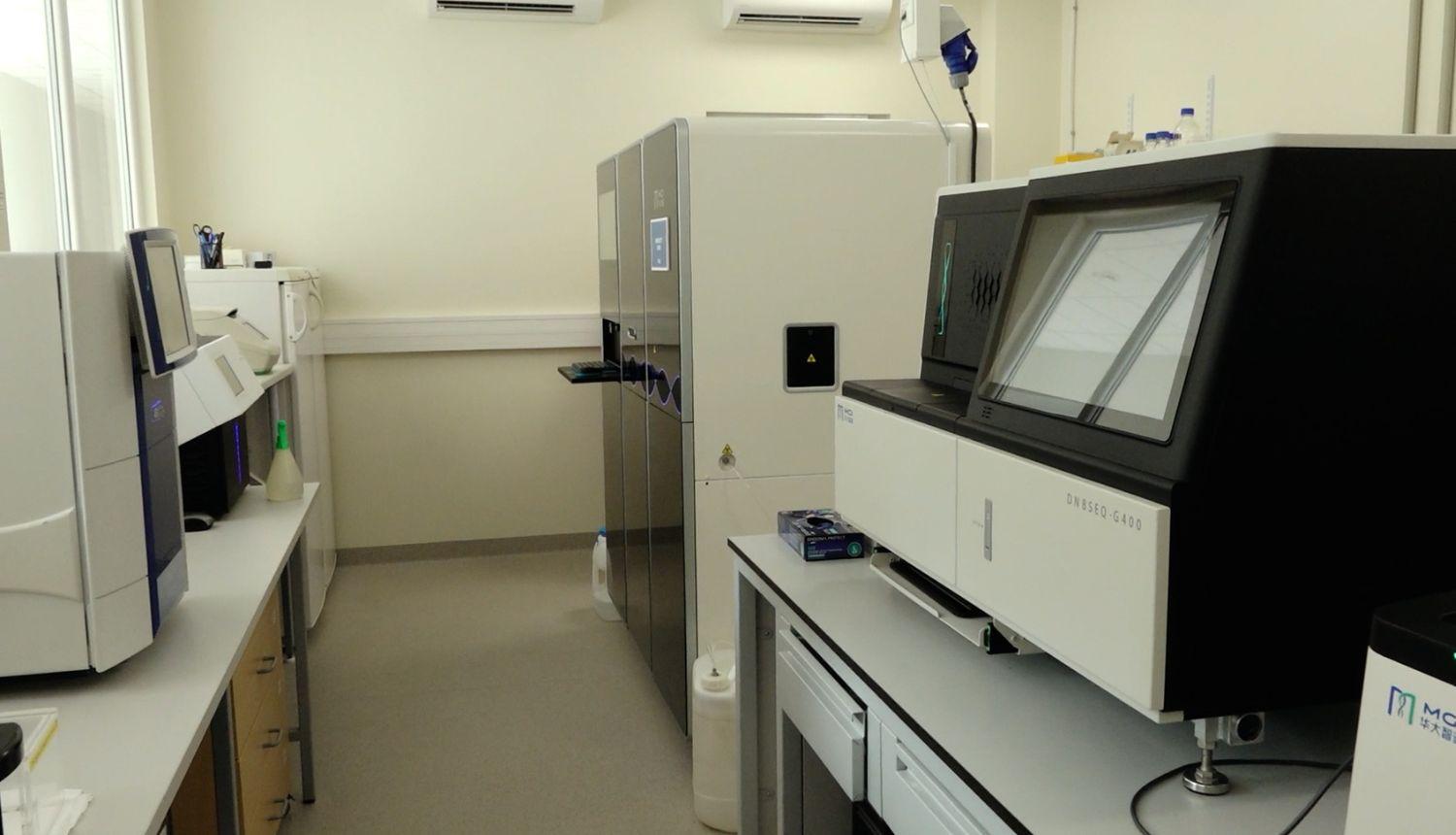
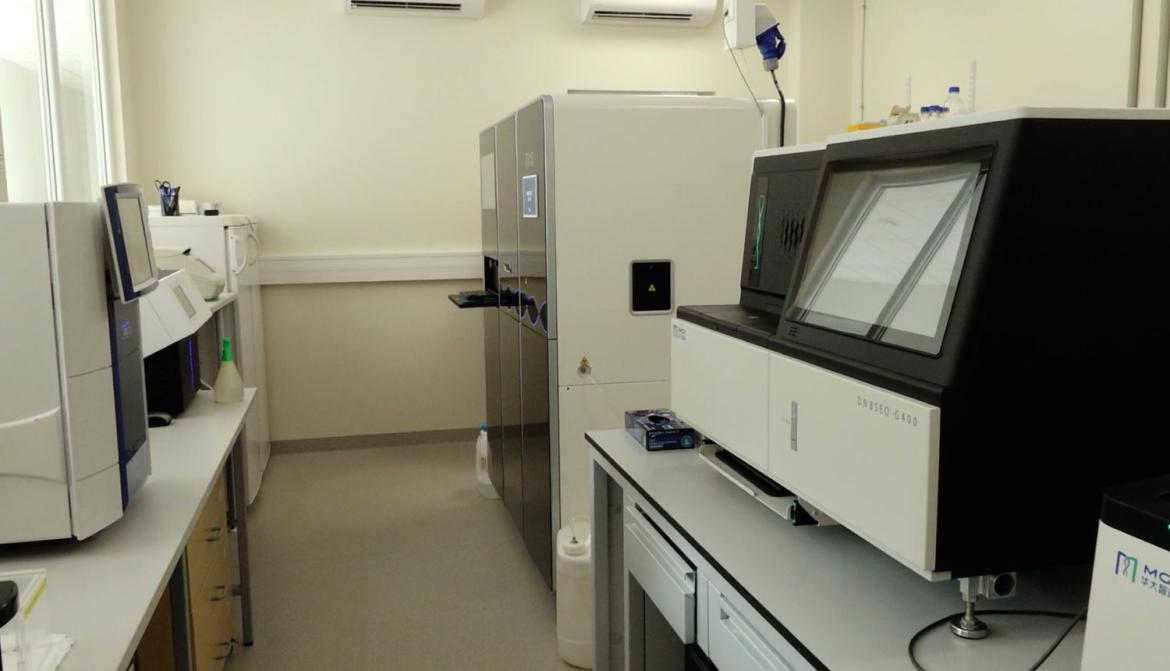
From there, the work continues with specialised equipment and researchers. But why does Latvia need its own biobank? Primarily because the genetic code of every nation’s population differs.
"Genomic medicine is developing rapidly in the world, and already now, geneticists and oncologists must understand which genetic features are specific to Latvia. We need to build a genome reference that corresponds precisely to the Latvian population," explains Professor Jānis Kloviņš.
This database will, in the future, enable the development of more personalised healthcare, and gene research is essential for modelling future disease risks to detect illnesses such as cancer, diabetes, and cardiovascular diseases at an early stage. Over time, once special software has been developed, doctors will also be able to use this data directly.
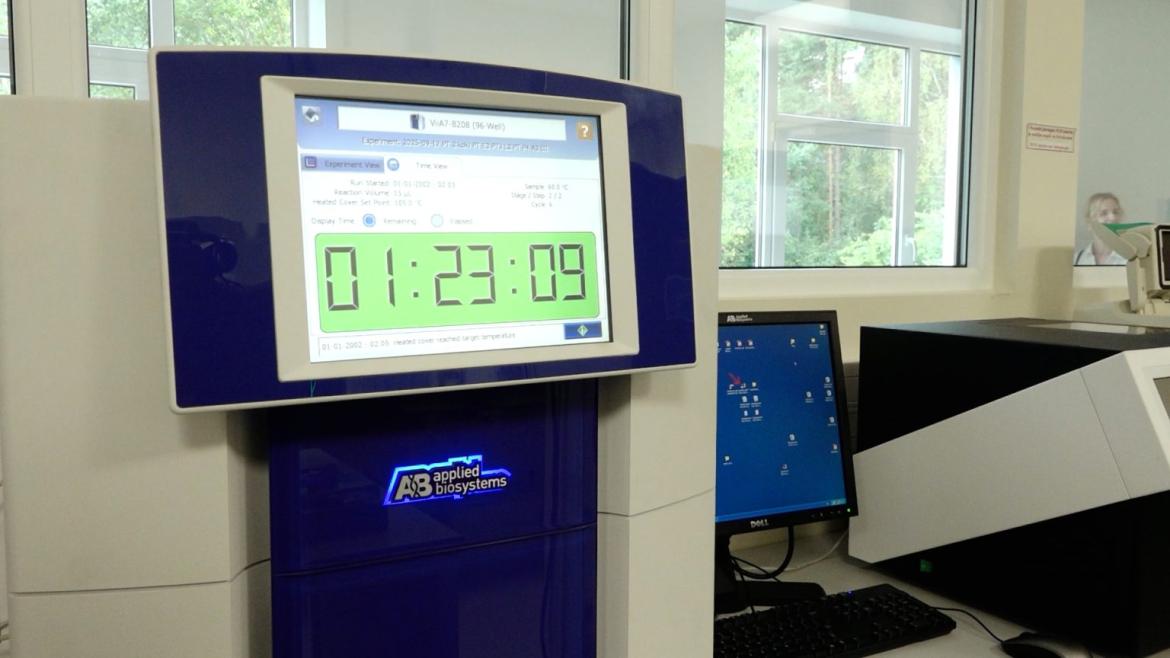
Since data processing is currently underway, research results are still forthcoming. However, as Monta Brīvība emphasises, researchers have already reached one intriguing conclusion.
"When we had analysed about 500 Latvian genomes, we discovered that the Latvian genomes are most closely related to an ancient population - the Western hunter-gatherers who lived thousands of years ago. Compared to all other modern European populations, the modern Latvian population was the most genetically related. Medically, this may have no significance at the moment, but it was still a rather fascinating discovery," Brīvība points out.
The study of the genomes of 3,500 Latvian residents is financially supported by the European Union Recovery Fund, with a total of approximately 3 million euros. Another significant benefit of participating in this project, according to Monta Brīvība, is the opportunity to cooperate with scientists from other European countries.
"We are constantly networking with our partners in other countries, exchanging experiences. We share our expertise with others and receive information from them in return. In this way, we gain the best solutions and the latest technologies. The support, I would say, is critical," says Brīvība.
The European initiative "1+ Million Genomes" is one of the most significant projects worldwide in this field.