The amount of waste is a global problem that also affects Latvia. To promote the use of environmentally friendly materials in packaging production, a specialized polymer testing laboratory has started operating in Jelgava. Packaging testing is conducted using three methods to encourage sustainable packaging recycling.
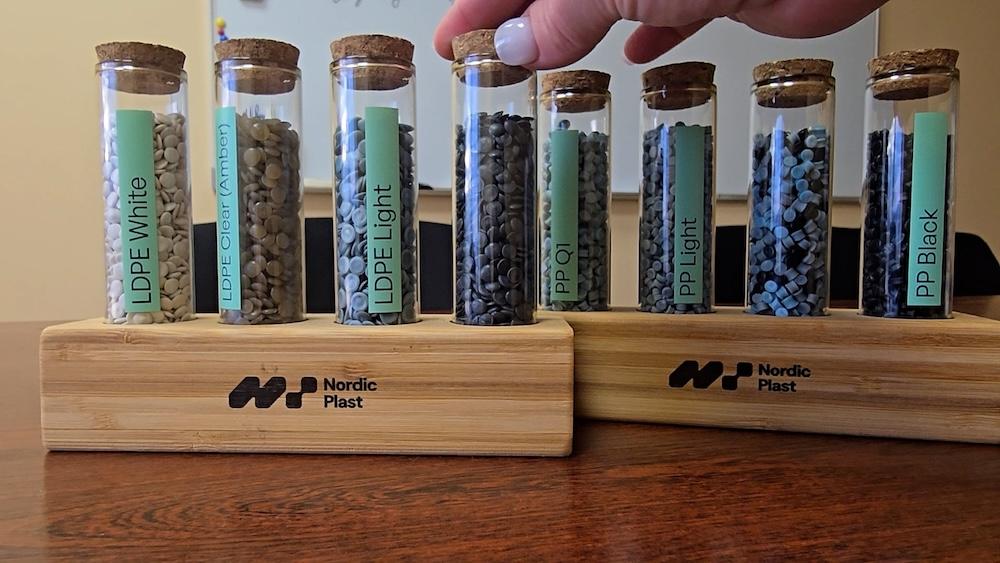
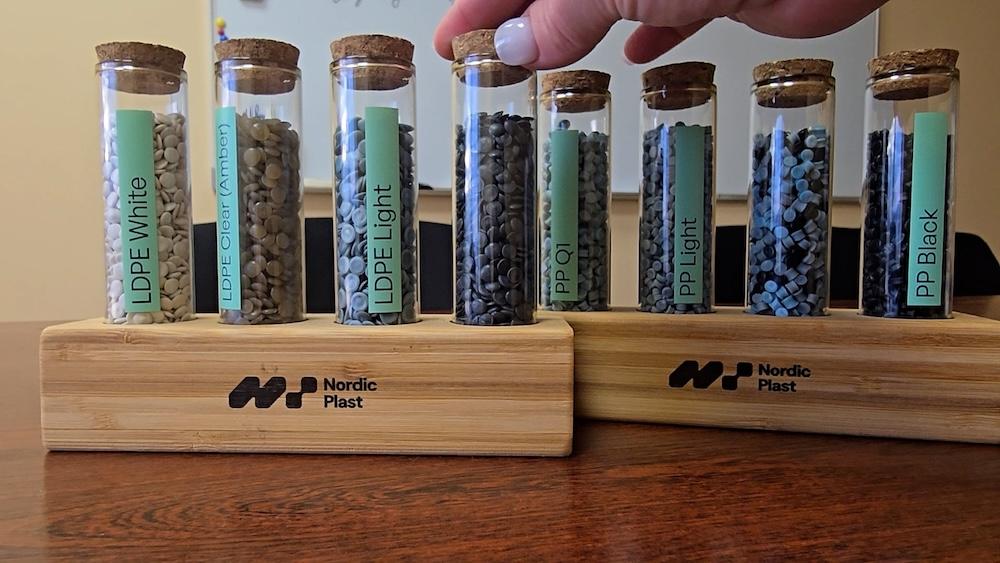
The newly established laboratory is located in the polymer processing plant “Nordic Plast,” where waste recycling takes place daily. Research determines the further recycling possibilities of packaging.
Olga Mihailova, Head of the Polymer Testing Laboratory: "This is a device that, like a fingerprint, identifies what the packaging is made of. Then we conduct three tests: ash content, mass flow rate, and differential scanning calorimetry. The essence is that the device records the temperature at which a small piece starts to melt and how much energy is needed for it to melt completely."
With the establishment of the new laboratory, the aim is to promote Latvia’s progress in recyclable materials by educating manufacturers to develop safe products that can be easily recycled.
Kristīne Geidāne, Quality Manager at SIA “Nordic Plast”: "We see ourselves as a strong laboratory in the Baltic region for polymer testing, and I believe that every year more businesses will become interested in auditing their packaging to identify areas for improvement and ways to reduce non-recyclable packaging volumes in Latvia."
Currently, the laboratory operates in test mode. To determine the proportion of recyclable and non-recyclable packaging in Latvia, around 200 samples are planned for testing in the near future.
Kristīne Geidāne: "The biggest challenge is composite materials, where multiple polymers are combined in a single package, making them unsuitable for recycling because they cannot be separated. This is the main challenge for food packaging manufacturers—balancing recyclable packaging with product shelf life."
To determine whether a chosen product’s packaging meets environmental requirements, Latvian companies have been submitting samples to the laboratory.
Olga Mihailova: "They use this opportunity to find out immediately: for example, 'I don't have polypropylene, I don't have polyethylene, I have polyamide instead.' Polyamide is currently not considered a recyclable polymer in Latvia. Then the company can decide whether to continue paying the tax or look for an alternative supplier that provides packaging made from recycled materials."
The polymer testing laboratory is being developed as part of the LIFE Integrated Project with EU co-financing. It will serve as a tool for determining plastic recyclability, helping Latvia move towards the EU’s goal of increasing recycled waste volumes.