In 2024, the beetle research group at Daugavpils University (DU) discovered and described 111 new beetle species for science, 7 new genera, and one subgenus. Two of the newly described genera and ten new species are fossilized and no longer found today, having been discovered in Baltic amber inclusions. The majority of the newly discovered species have been described from tropical countries: the Philippines, Indonesia, Papua New Guinea, Malaysia, Vietnam, and others. However, 5 of the described species have been discovered in Europe, in mainland Greece and on the island of Crete.
The Coleopterology Research Centre at Daugavpils University is the largest group of beetle researchers in the Baltic, with 14 scientific staff, 8 of whom are biology PhDs. Each year, the group also involves doctoral students from Latvia and abroad, as well as bachelor’s and master’s students in biology. The group maintains one of the largest beetle collections in the Baltic. The beetle research group from Daugavpils University specializes in beetle systematics and is well recognized worldwide.
The largest number of new species – 42 – has been described by the leading researcher Dr. biol. A. Šavrins, who is a world-renowned researcher of the family Staphylinidae. He has discovered and described three previously unknown beetle genera. Leading researcher Dr. biol. D. Telnovs has discovered and described 31 new species for science, of which 18 species belong to the family Staphylinidae, 12 to the family Tenebrionidae, and 1 to the family Carabidae. Leading researcher Dr. biol. A. Aniščenko has described 10 new species of the family Elateridae. He is the author of one new genus and one new subgenus. Researcher Dr. biol. A. Rukmane has described eleven new species of the family Mordellidae. The leader of the Daugavpils University beetle research group, Professor Dr. biol. A. Barševskis, has discovered seven new species of woodboring beetles in 2024.
DU scientists organize scientific expeditions each year to the world’s biodiversity hotspots, including the Philippines, Indonesia, Papua New Guinea, and others. They have established close cooperation with Mindanao University and Davao Oriental State University in the Philippines. As a result of joint expeditions, new research directions have been initiated, such as the study of caves in Philippine jungles, which has yielded very good results. To date, there has been little knowledge about the beetle fauna found in Philippine caves. Currently, Dr. biol. A. Aniščenko, in collaboration with Filipino scientists, has discovered a new genus, subgenus, and new species of beetles specifically in these caves.
Considering that the majority of the newly discovered beetle species have been described from the world’s biodiversity hotspots – the Philippines, Indonesia, Papua New Guinea, and other tropical countries – this research has significant scientific importance.
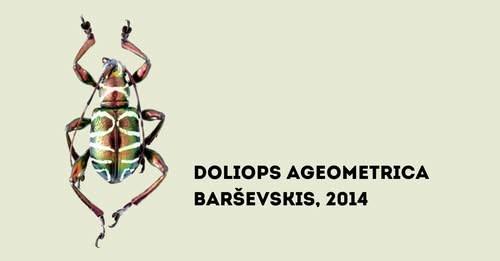
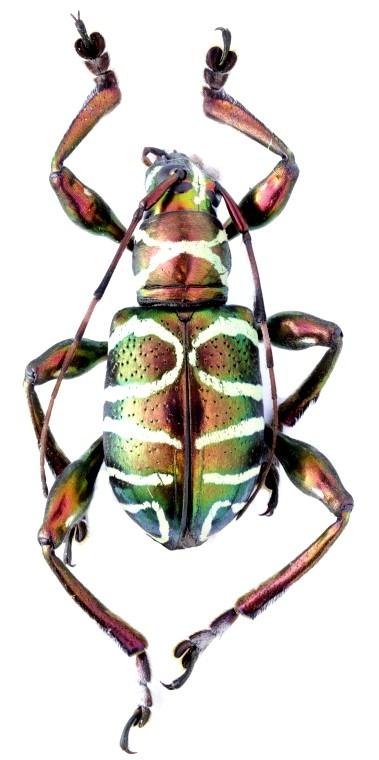
In these countries, rapid deforestation is occurring, which leads to the loss of many species, not only known but also previously undiscovered. Describing new species adds to our knowledge of the fauna of these countries and helps in the development of more comprehensive conservation plans. Three of the species discovered by DU scientists have already been included in the IUCN Red List of Threatened Species: Doliops ageometrica Barševskis, 2014, Doliops daugavpilsi Barševskis, 2014, and Doliops huruki Barševskis, 2014 (https://www.iucnredlist.org/). This demonstrates the significance of Daugavpils University beetle researchers' studies. Thanks to the inclusion of local Filipino fauna species in the world’s list of endangered species, it is much easier to organize conservation efforts in the country.
Research findings on Philippine beetles and the required conservation efforts were presented in 2024 at the prestigious International Entomology Congress in Kyoto, Japan, in two reports.