Saving humanity by combing bees – LVMI “Silava” scientists explain how they study pollinator diversity

Author
Latvian State Forest Research Institute "Silava"

March 18, 2026

Environmental engineer Santa Ieviņa from the Latvian State Forest Research Institute "Silava" (LSFRI "Silava") has prepared a popular science article within the framework of the Latvian Council of Science-supported project Forest roads as multifunctional ecosystems: biodiversity, ecosystem services and disservices. The article describes an unusual yet scientifically significant process – “combing” bees. It explains how bee species are identified in the laboratory and why this is important for studying biodiversity.
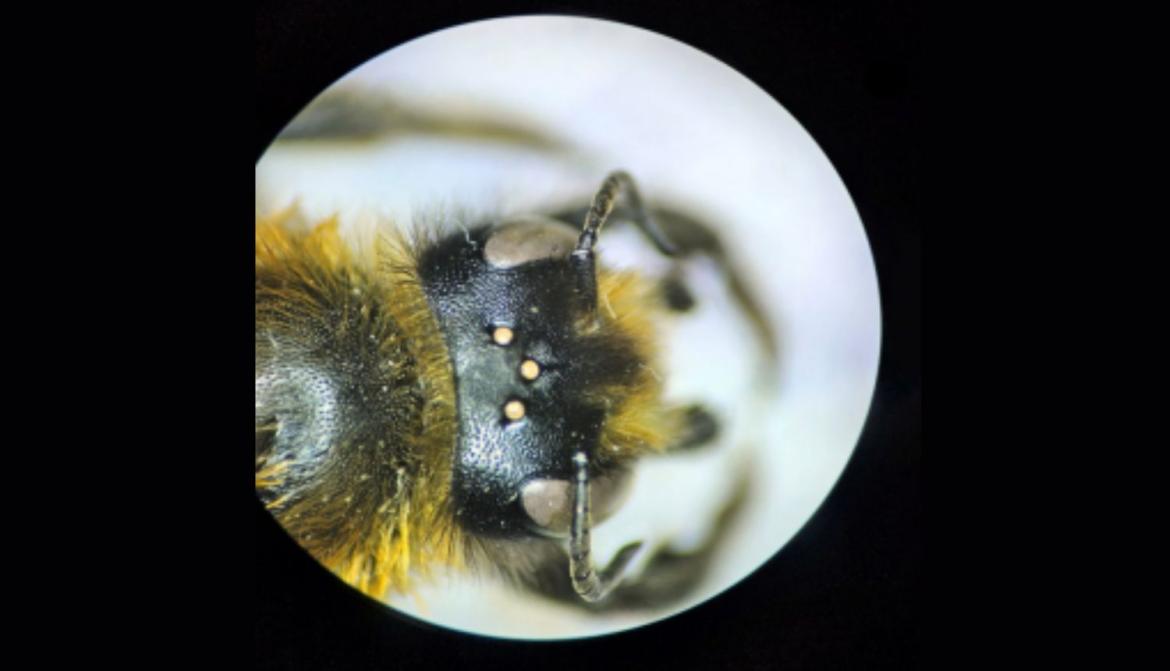
Ķemmēta bite.jpg
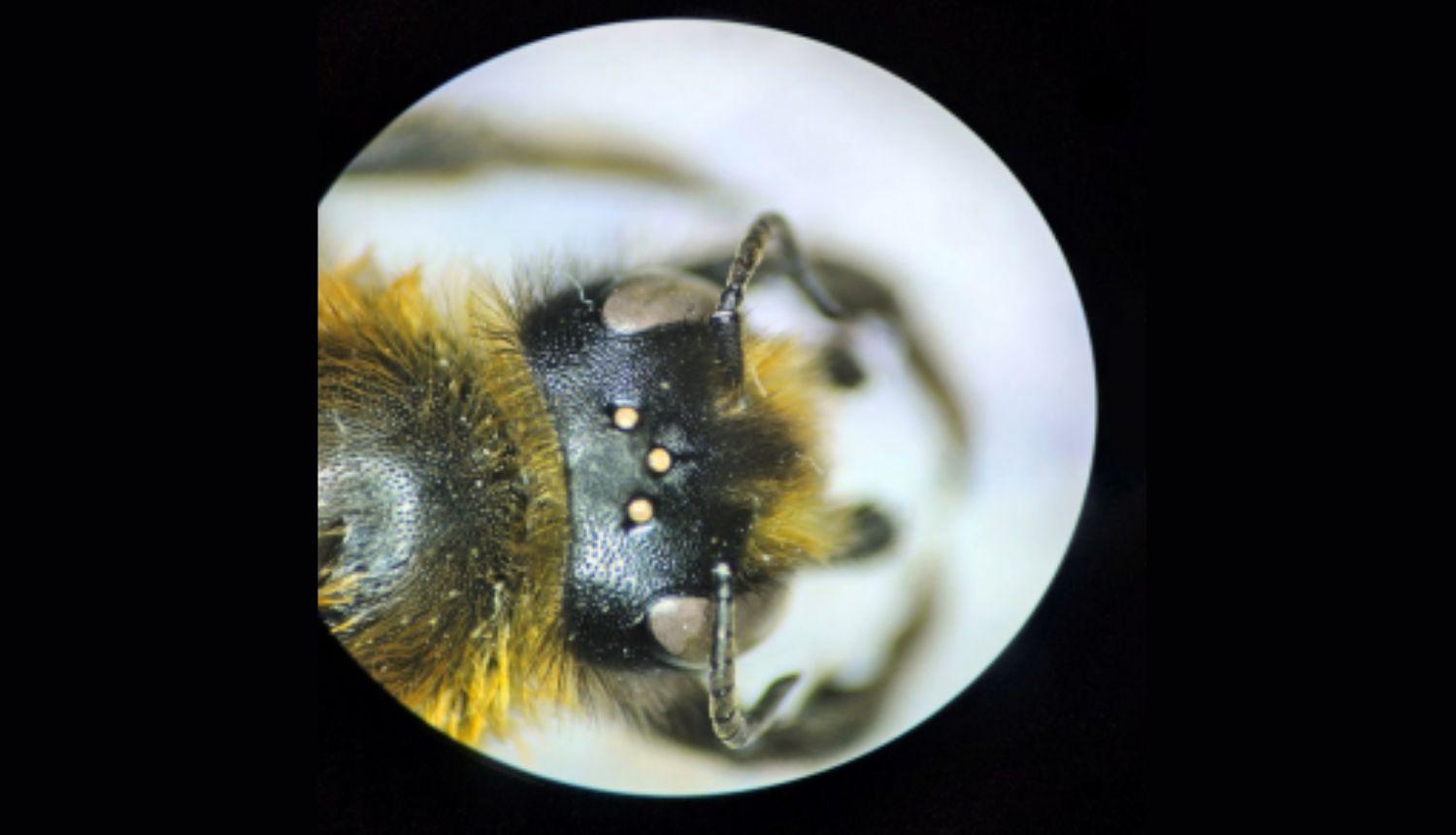
A “combed” bee viewed through a binocular magnifier. Photo: S. Ieviņa.

Although "combing bees" may sound like an amusing "bee hair salon", it is an important part of sample preparation. After being collected in the wild, bees are often stored in alcohol; in the laboratory, they are first dried, often with a hairdryer, and then carefully combed with a fine brush or toothbrush. This allows observation of features necessary for species identification, such as hair colouration and arrangement, wing venation, and antennal structure.

Pollinators, especially bees, play a crucial role in both food production and biodiversity maintenance. Research on bee species composition helps identify problems and plan solutions, for example, preserving flower-rich strips along agricultural fields, creating nectar-rich green spaces in cities, and implementing other pollinator-friendly management practices.

The article prepared by scientists at LSFRI "Silava" reveals that important research often involves patient laboratory work, including, quite literally, "bee grooming."

Santa Ieviņa’s article Saving humanity by combing bees
Recommended articles

research

10 Scientist Teams to Represent Latvia at The “Hello Tomorrow Global Summit 2026

The biomedical and photonics research platform “BioPhoT”, in collaboration with “Hello Tomorrow” international experts, has selected 10 strong BioPhoT research teams through a competitive process. On 11–12 June in Amsterdam, these teams will represent Latvia at one of the world’s most significant d…

The biomedical and photonics research platform “BioPhoT”

April 30, 2026

research project achievements

From Wastewater to Public Health: A Unique Monitoring Platform Emerging in Latvia

Systematic and comprehensive analysis of wastewater and other environmental samples for chemical and toxic substances, pharmaceutical residues, pathogens, and other biological risk factors enables the early detection of threats and allows for a much more accurate assessment of their potential impac…

Latvian Biomedical Research and Study Center

April 24, 2026

research

Photonic activation of chemical processes: researchers develop solvents for sustainable technologies

At the UL Faculty of Medicine and Life Sciences (FMLS), researchers of Ionic Liquids and Sustainable Chemistry Research Group conduct the synthesis and investigation of ionic liquids with the aim of advancing the sustainability of industrial chemical processes, namely, they design ionic liquids tha…

LU Fund

April 22, 2026

research

Merging Two Major Latvian Medical Research Institutes to Boost International Competitiveness

Starting in June, the Latvian Institute of Organic Synthesis (OSI) and the Latvian Biomedical Research and Study Centre (BMC) will merge to form a single National Research and Innovation Institute. Both medical‑related research institutions are currently working on unifying their administrative str…

Sintija Ambote | Latvian Radio News Service

April 21, 2026