A significant pilot project has been completed at Pauls Stradiņš Clinical University Hospital (PSKUS) in cooperation with Rīga Stradiņš University: Improving the Effectiveness of Chronic Renal Replacement Therapy in Latvia: A Quality and Cost Model as a Tool for Assessing Treatment and Financial Impact Using the Latvian Registry of Kidney Patients. As part of the project, the first Latvian Registry of Kidney Patients (LNSR) has also been established, including 1,213 patients.
Renal replacement therapy (RRT) is a life‑saving treatment that provides kidney function for people with end‑stage renal failure and includes kidney transplantation, haemodialysis, and peritoneal dialysis. In Latvia, renal replacement therapy is needed for approximately 1,317 patients each year.
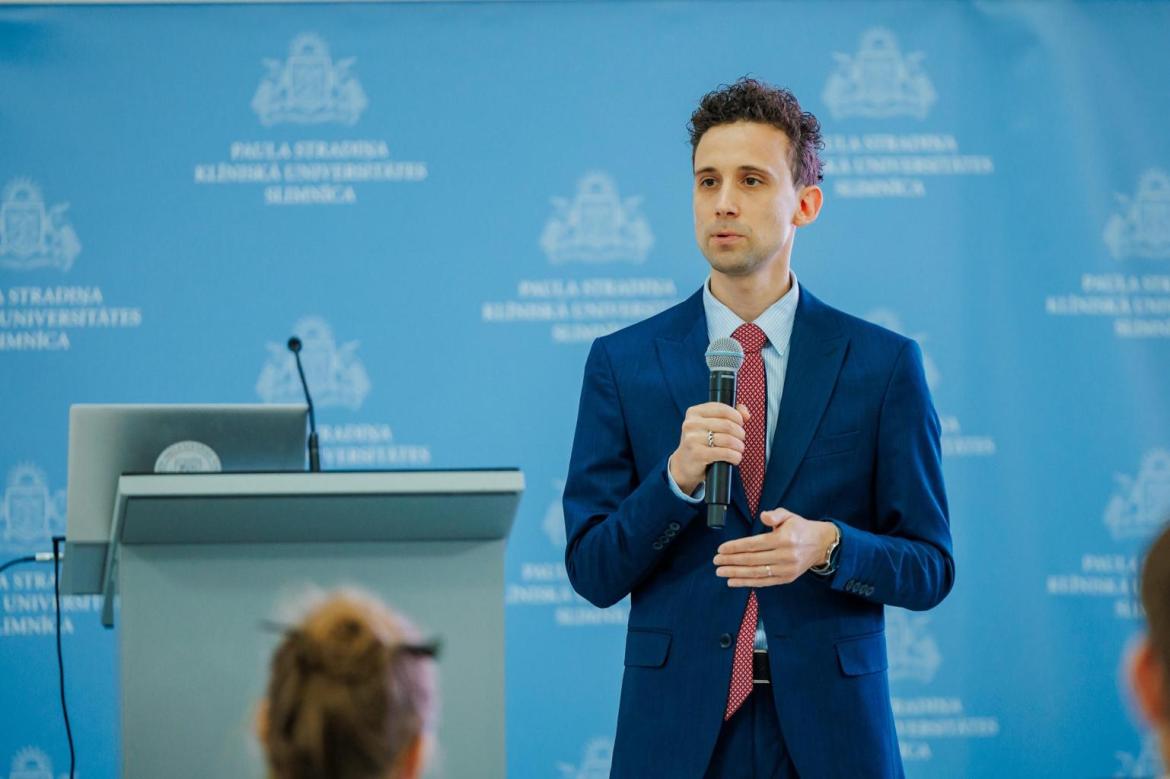
“The project has enabled not only a much more precise analysis of the quality of patient treatment and health outcomes, but also the identification of significant opportunities for more efficient use of healthcare funding. The new data analysis system is integrated with the e‑health system and allows for the automated analysis of patient treatment quality indicators, complication risks, frequency of hospitalisation, and treatment costs across different renal replacement therapy patient groups. Therefore, it will be possible to monitor the quality of patient treatment and ensure uniform quality standards throughout Latvia. This systematic approach will also ensure the reduction of complications, promote the availability of kidney transplantation, and enable more efficient use of state funding,” said Associate Professor Kārlis Rācenis, head of the project’s expert group.
Opportunities to save healthcare funding
The results of the pilot project have revealed several significant problems and, at the same time, opportunities to improve patient care in Latvia. Analysis of the data identified approximately 2.5 million euros per year that had previously been spent without a sufficient evidence base. In addition, by evaluating data from two renal replacement therapy centres, it was concluded that one haemodialysis patient is hospitalised at PSKUS on average twice per year. When recalculated across the entire patient population in Latvia, this results in approximately 3.25 million euros in annual costs. Experts indicate that by bringing the frequency of hospitalisations closer to the average level of the European Union, these costs could be reduced by almost half.
The pilot project also confirmed that, in the long term, the most effective method of renal replacement therapy, both in terms of patient quality of life and costs, is kidney transplantation. In the first year after transplantation, treatment costs reach an average of 31,705 euros, but in each subsequent year they decrease to an average of 5,718 euros. By comparison, the annual treatment costs for haemodialysis patients reach an average of 35,237 euros, while for peritoneal dialysis patients — approximately 32,394 euros. At the same time, the project concluded that the evaluation of patients for potential kidney transplantation in Latvia remains insufficient — in only nine renal replacement therapy centres were more than 20% of patients provided with the necessary examinations and assessed for eligibility as transplant candidates.
Better quality of life – after kidney transplantation
The project concluded that the lowest severity of symptoms and the best quality‑of‑life indicators are observed in patients after kidney transplantation. This is also confirmed by patient experience data from the newly established Latvian Registry of Kidney Patients, provided by 728 patients — more than 60% of those included in the registry. These data reveal a significant symptom burden across all renal replacement therapy groups, especially among haemodialysis patients. Pronounced or very pronounced itching was observed in 28% of haemodialysis patients, while 15% of patients reported severe pain. Approximately 60% of haemodialysis patients experience significant concern and anxiety about their health condition, while sleep disturbances were more frequently observed among peritoneal dialysis patients.
New patient pathways
During the pilot project, recommendations were developed and updated, as well as patient pathways for all renal replacement therapy methods — kidney transplantation, haemodialysis, and peritoneal dialysis. A pre‑dialysis programme patient pathway and recommendations were also established to ensure that patients reach the most appropriate treatment in a more timely manner and to improve the quality of care before renal replacement therapy is initiated.
To help patients and healthcare professionals better learn the peritoneal dialysis method, dedicated training videos have also been created. Meanwhile, patient experience videos encourage people not to be afraid to talk about their health condition and to actively participate in treatment decisions.
The pilot project Improving the Effectiveness of Chronic Renal Replacement Therapy in Latvia: A Quality and Cost Model as a Tool for Assessing Treatment and Financial Impact Using the Latvian Registry of Kidney Patients (NVD‑9/97‑2024, NVD pilot project No. 55) was implemented within the National Health Service project “Healthcare Service Model Development Laboratory”, as well as within Component 4 “Health” of the European Union Recovery and Resilience Mechanism Plan, reform direction 4.3 “Sustainability of Healthcare, Strengthening Governance, Efficient Use of Healthcare Resources”, reform 4.3.1 “Sustainability of Healthcare, Strengthening Governance, Efficient Use of Healthcare Resources”, overall increase of the state budget in the healthcare sector under the project “Healthcare Service Model Development Laboratory”.