The postdoctoral research project “Assessment of Early Childhood Nutrition Quality and Development of Tailored Tools for the Implementation of Nutrition Guidelines” (project No. 1.1.1.9/LZP/2/25/211) is continuing at Latvia University of Life Sciences and Technologies (LBTU). The aim of the project is to assess the quality of nutrition among infants and young children in Latvia and to develop practical tools for implementing nutrition guidelines.
Updates on Project No. 1.1.1.9/LZP/2/25/211 “Assessment of Early Childhood Nutrition Quality and Development of Tailored Tools for the Implementation of Nutrition Guidelines” from 01.01.2026 to 30.06.2026
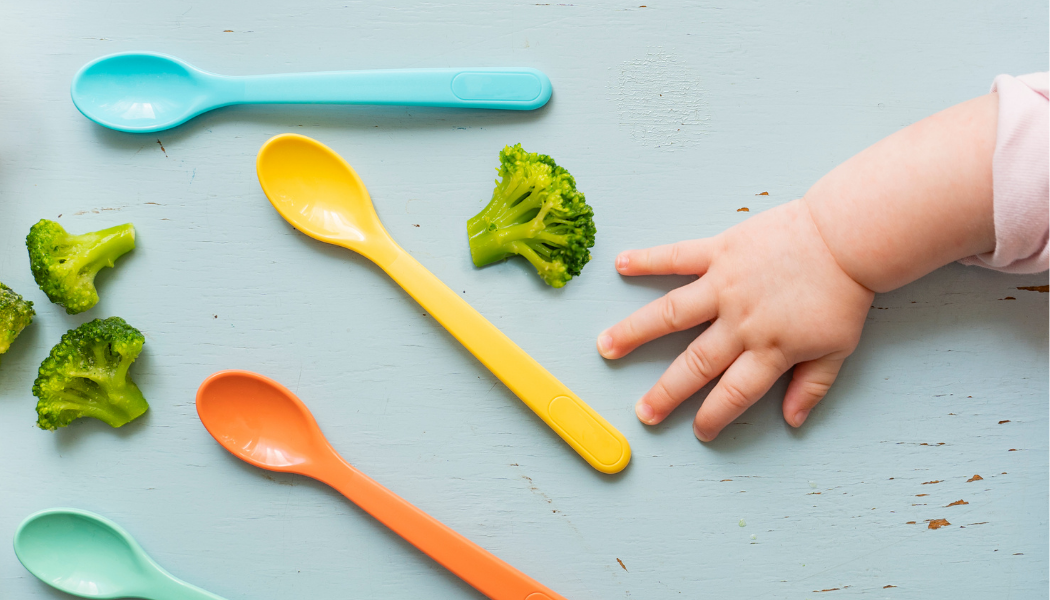
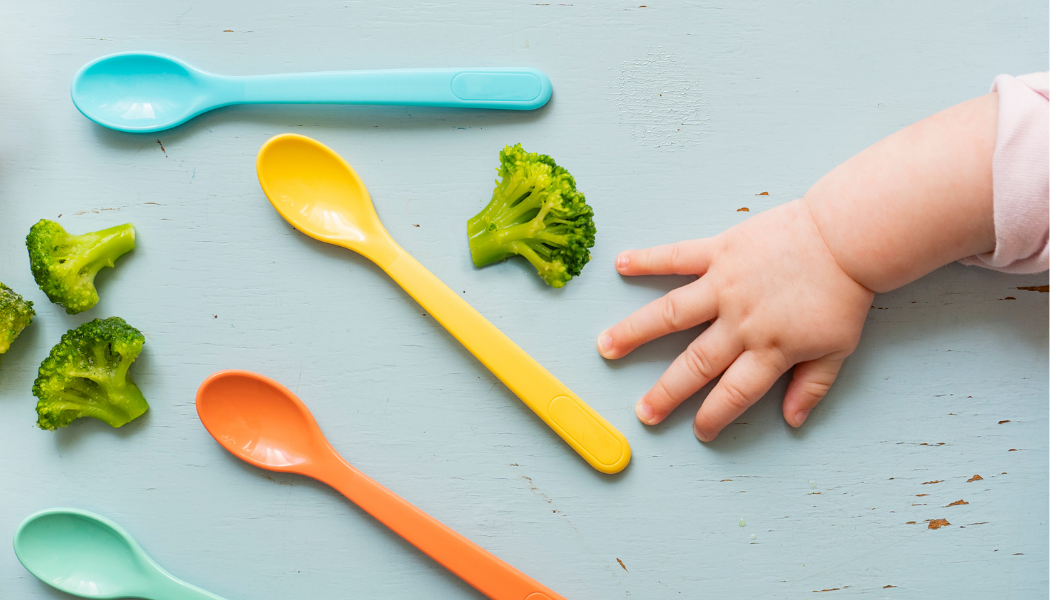
During the first six months of the project implementation, an assessment of industrially produced baby food was carried out using the nutrient and promotion profile model (NPPM) developed by the World Health Organization (WHO). More than 350 baby food products available on the Latvian market were analysed — purées were assessed for their compliance with the criteria defined by the WHO. The assessment revealed that the range of baby food products is dominated by “sweet” fruit purées with low overall calorie content but high sugar content, including the identification of individual baby food products with added sugar. Work is currently continuing on the preparation of datasets and a scientific publication in order to promote the results obtained to the wider public. To help parents and other child carers navigate the “jungle” of baby food, a digital tool (calculator) will be developed within the project. By entering information about the nutritional value of a baby food product, users will receive an assessment of the product’s suitability for infant feeding.
During the reporting period, international mobility was also implemented through participation in the Winter School of Nutrition organised by the University of Helsinki (Saariselkä, Finland). Knowledge on child nutrition, including breastfeeding and complementary feeding, was further developed by participating in the international scientific conference “Nutrition & Growth” (Prague, Czechia) and the conference “Breastfeeding Insights Shaping the Future”, organised by the European Lactation Consultants Alliance (Bucharest, Romania).
In parallel with the research tasks, academic and knowledge transfer activities were carried out, including the supervision of one bachelor’s thesis and one master’s thesis.
During the reporting period, public information and science communication activities were also carried out, including the lecture “Early Childhood Nutrition: What Does Science Say?” at Gulbene Municipality Library, participation in the activity “DietitianWeek2026” organised by the Latvian Association of Dietitians and Nutrition Specialists, as well as involvement in the photo project “Scientist. Alive. Leap” organised by the Latvian Association of Young Researchers. In cooperation with the Centre for Disease Prevention and Control, several informative materials were developed (infographics, task cards, etc.) that representatives of educational institutions can use to educate children about healthy nutrition.
Within the project, an assessment of iodine status in infants will be launched this autumn by collecting morning urine samples and determining iodine concentration in them. Additional dietary data will also be collected, using WHO indicators for the assessment.
The research application is being implemented within the framework of Measure 1.1.1.9 “Postdoctoral Research” of Specific Objective 1.1.1 “Strengthening Research and Innovation Capacity and Introducing Advanced Technologies into the Common R&D System” of the European Union Cohesion Policy Programme 2021–2027.
The total approved costs of the project are EUR 183,297.60, of which EUR 155,802.96, or 85%, is funding from the European Regional Development Fund, EUR 18,329.76, or 10%, is state budget funding, and EUR 9,164.88, or 5%, comes from other sources of funding.
The project implementation period is 36 months — from 1 January 2026 to 31 December 2028.
Project Manager — Līva Aumeistere, Researcher at the LBTU Institute of Food.