The overarching theme of the 84th International Scientific Conference of the University of Latvia (UL), which we are organising from April 14 to 16, is "The University of the Future – Impact-Driven Leadership." This is UL’s response to the challenges of our time, reflecting on the role universities will play in the future. It is an opportunity to discuss and consider how best to implement UL’s motto, "For Science and the Fatherland," in today’s context, and to address issues important to society while also being part of the global drivers of science.
How can we work on research that is considered important both by society and the scientific community? How can we explain the significance of our research to the public and to fellow scientists? We will begin exploring these questions in the opening plenary session. In her keynote, Professor of Geoinformatics at the University of Tartu, Evelyn Uuemaa, will explain how she has combined highly practical research with top-level scientific excellence, securing funding from the European Research Council (ERC). We will continue searching for answers in a panel discussion with PhD Lana Francesca Dreimane, Deputy State Secretary at the Ministry of Education and Science for higher education, science, and language policy; Prof. Uuemaa; and UL tenured professor Andris Ambainis, one of only two ERC grant recipients in Latvia.
To create a more engaging, discussion-oriented environment and to enhance the visibility of our researchers and partners, this year, we are organising the UL conference differently. It will be an academically intensive three-day event held at the UL Academic Centre’s House of Science and House of Nature, featuring more than 700 presentations by authors from nearly 100 institutions, universities, research institutes, and companies, both in Latvia and abroad. The presentations are organised into 62 sections across 9 themes, reflecting UL’s priority research directions and Latvia’s development as a country. Sessions will be held in Latvian or English. Importantly, most sections are interdisciplinary, meaning that speakers will present in a more accessible way than at many other academic conferences. Therefore, anyone interested is warmly invited to attend as a listener. The content on offer is truly impressive!
What would I recommend? First, attend the plenary sessions of all themes. Colleagues have succeeded in inviting strong local and international experts, not only to deliver presentations but also to engage in panel discussions addressing key questions about science and its impact across various fields, both past and future. Second, challenge yourself with something new, for example, on Tuesday afternoon, attend the session "Security in Democracy: The Balance of Freedom and Control in Society and Science," and conclude the day with a session dedicated to Professor Andrievs Ezergailis in "Crossroads of the Past: Power, Identity, and Historical Research". On Wednesday, try to find a "superposition" between the sessions "Quantum Science and Technologies", "With God in Between: From the Middle Ages to Contemporary Politics", and "Hydrosocial Approaches in Water Research and Governance”. On Thursday, start effectively with "Effective State in Practice: Reducing Bureaucracy, Digitalisation, and Quality of Public Services", and continue with current topics in law, environmental sustainability, or education. Third, coffee breaks, as at most conferences, are an opportunity to engage in informal conversations with researchers and other attendees while also exploring poster presentations. By the way, the conference will also include reports on the results of dozens of projects funded by the Latvian Council of Science’s Fundamental and Applied Research Programmes.
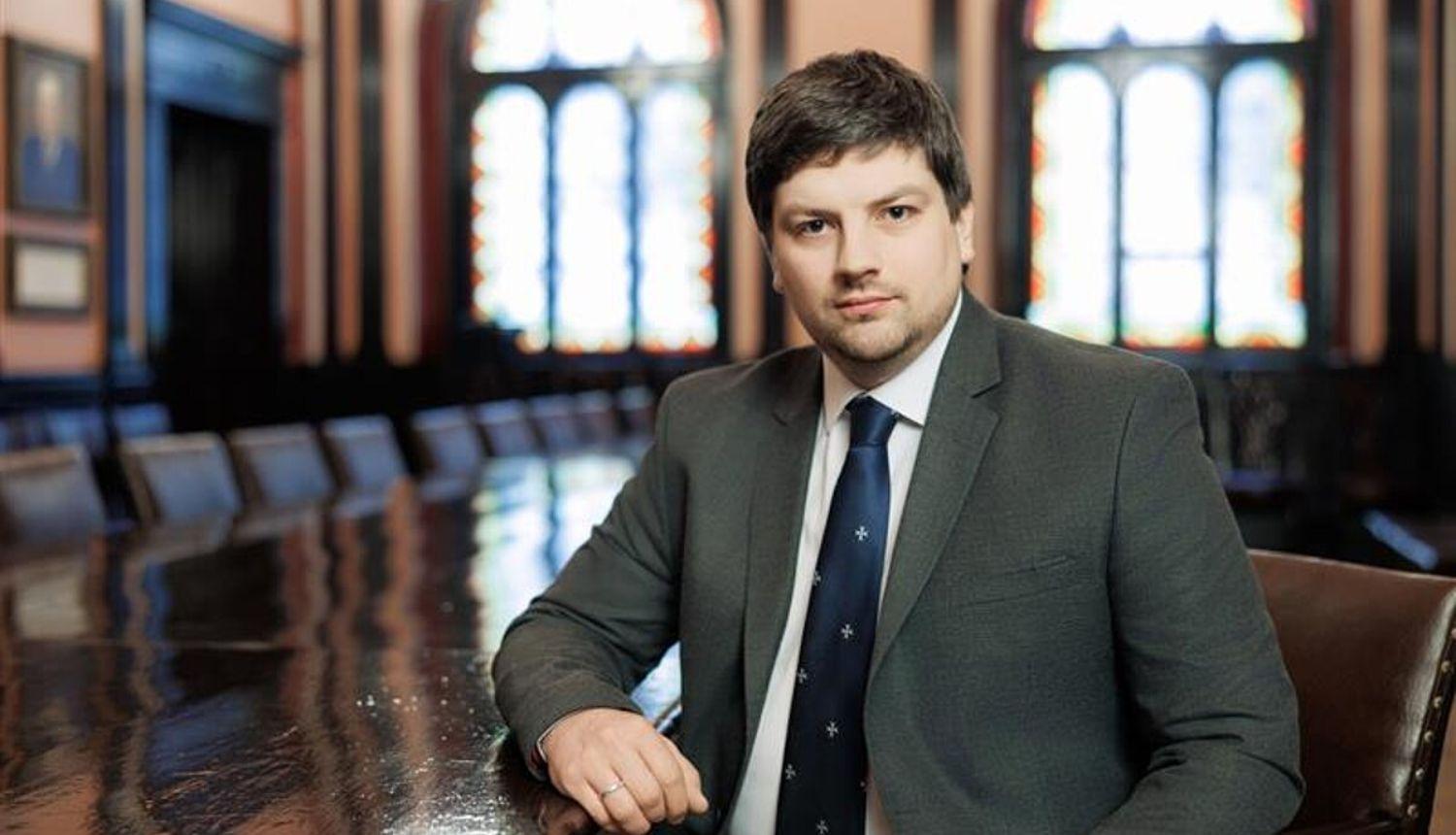
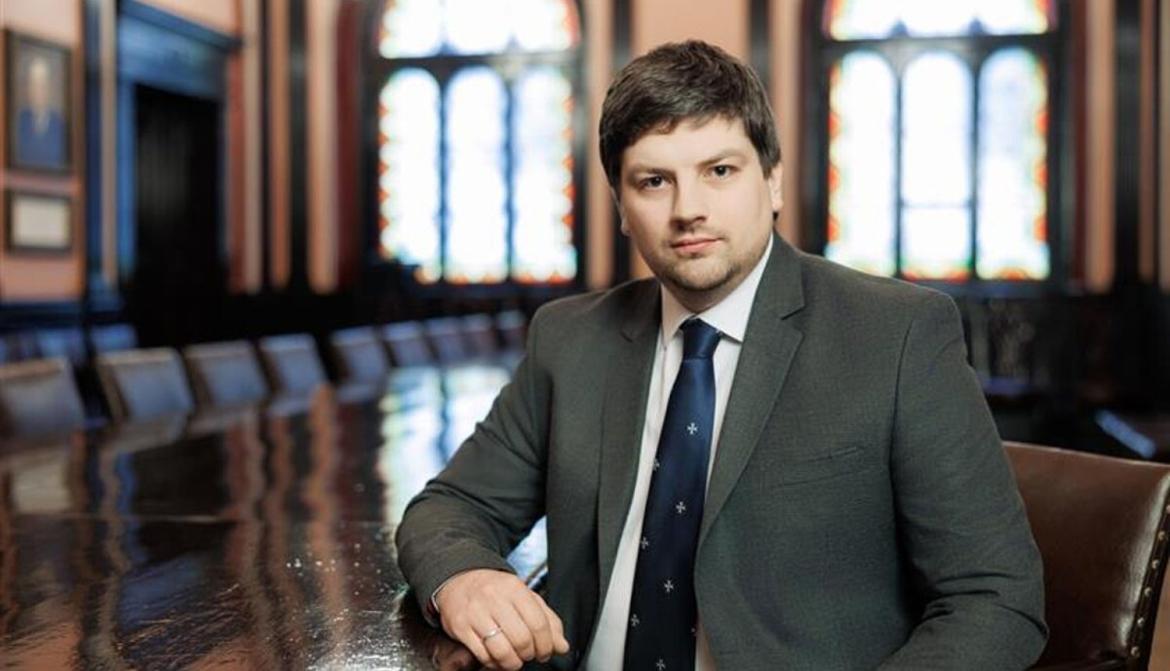
Now, as I begin my third year as UL Vice-Rector for Science, I clearly see that our researchers are just as capable, often even more dynamic and open to new ideas, as researchers in other European countries. However, we spend comparatively less time attending academic seminars, asking each other questions, and engaging in meaningful discussions. Yet new ideas emerge through thinking and discussion. Take part in shaping the impact of Latvian science.
You can find the conference programme, the book of abstracts, and other important information on the conference website. Everyone is welcome to attend in person.