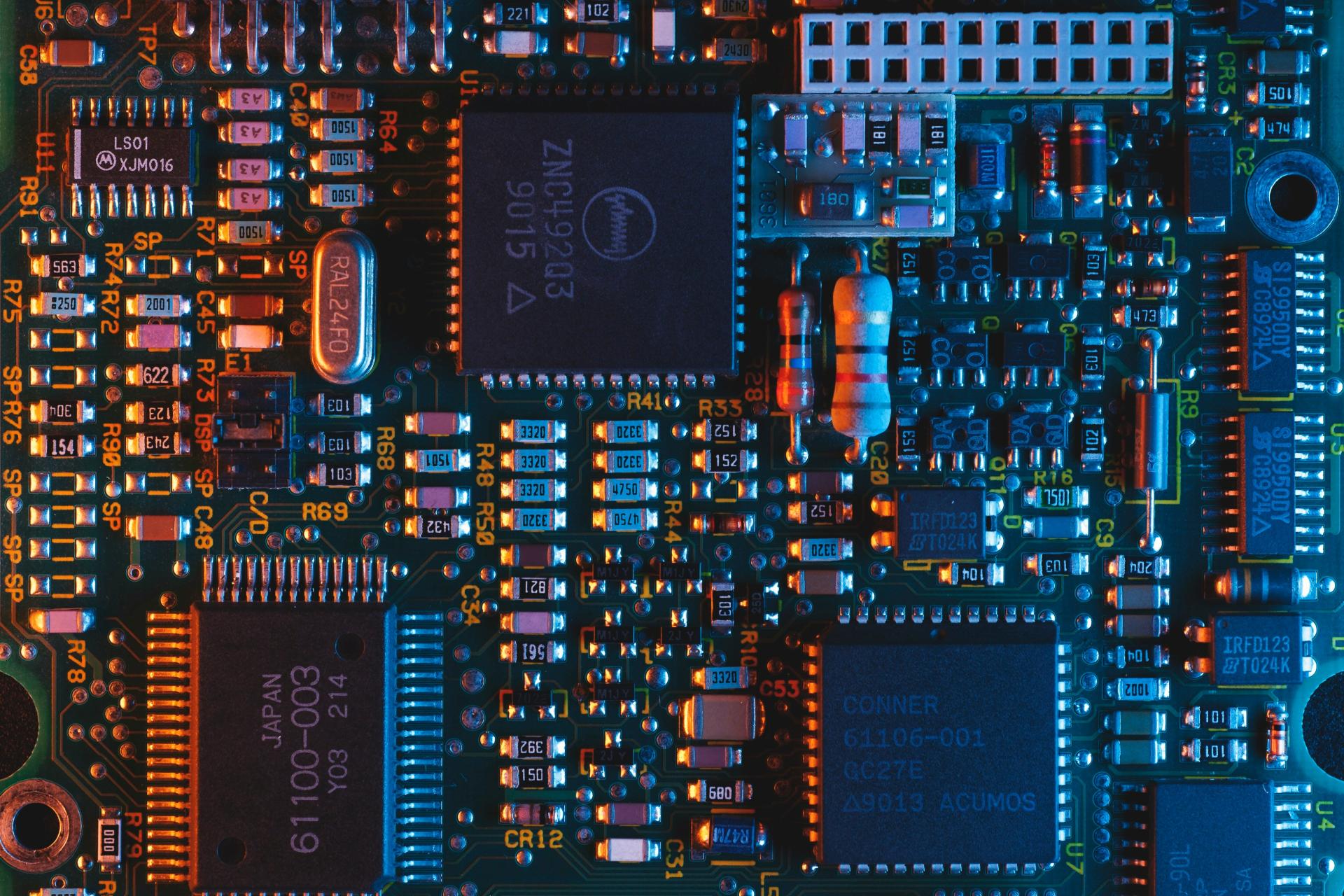
On Tuesday, February 4, the Latvian government approved amendments developed by the Ministry of Education and Science to establish a national microchip competence center in Latvia. Public co-financing of up to EUR 744,704 over a four-year period will ensure Latvia’s participation in the Horizon Europe Chips Joint Undertaking (Chips JU). This initiative will promote high-level research and innovation in microchip technologies both locally and globally. With support from European funds, the total funding for the period from 2025 to 2028 will amount to nearly EUR 3,000,000.
“The National Competence Center will provide extensive support to participants in the microchip ecosystem, particularly startups and micro, small, and medium-sized enterprises, fostering their growth and competitiveness. It will become part of the European network of microchip competence centers, ensuring access to international expertise, infrastructure, and collaboration opportunities with competence centers and ecosystems in other countries,” emphasizes Jānis Paiders, Deputy State Secretary for Human Capital, Science, and Innovation Development at the Ministry of Education and Science.
The Microchip Competence Center will bring together leading scientific and research institutions that advance research and innovation in Latvia’s thematic specialization areas, including semiconductor microelectronics, silicon photonics, polymer photonics, and open-source semiconductor design development. Its activities will be coordinated by Riga Technical University in collaboration with the University of Latvia (UL), the Institute of Electronics and Computer Science, and the UL Institute of Solid State Physics.
The establishment of the National Microchip Competence Center will strengthen the capacity of Latvia’s scientific institutions and enhance international cooperation in technology development. Additionally, it will attract further investments from the European Union’s Horizon Europe program, boosting Latvia’s competitiveness in the microelectronics sector.
The approved amendments will provide the necessary resources for Latvia to effectively advance in microchip manufacturing and innovation, thereby strengthening the country’s scientific institutions and fostering international collaboration in technology development.