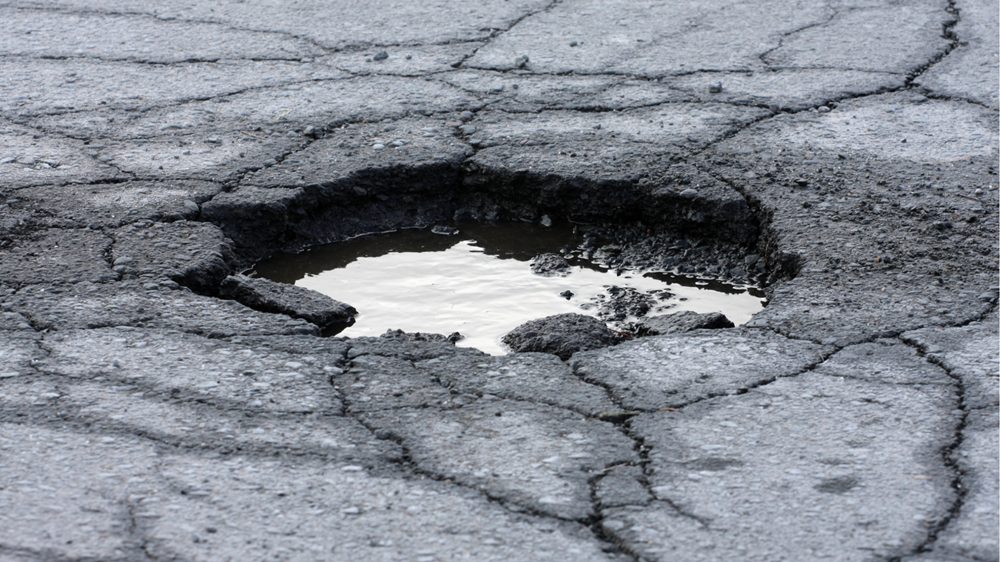
On the platform “IRoM”, developed by the information technology company “ZZ Dats”, up-to-date data on road conditions in Latvia will be automatically collected, allowing responsible specialists to receive real-time information about road defects and make informed decisions on further actions. The company is also inviting the public to participate in the creation of the digital platform by contributing to the training of the artificial intelligence system.
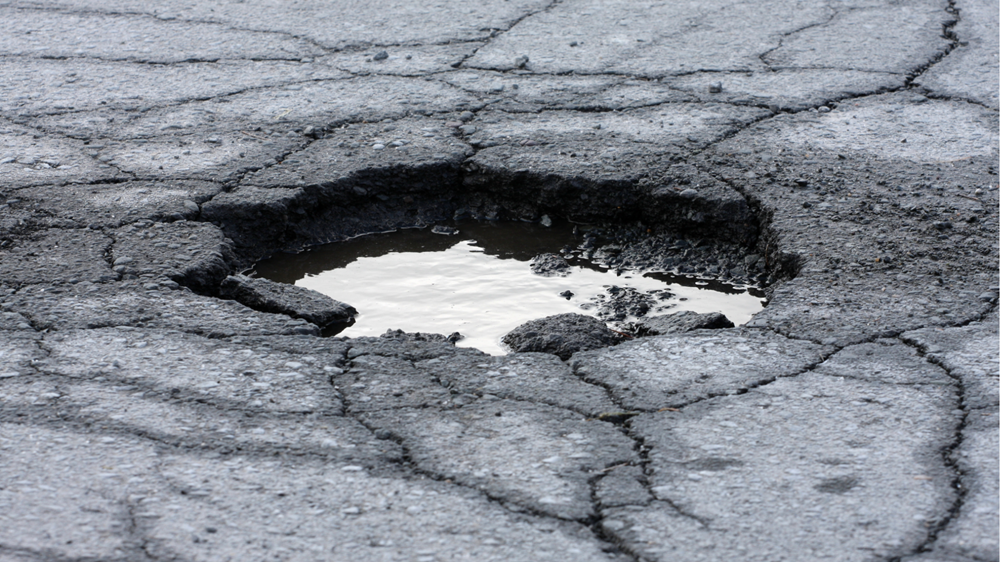
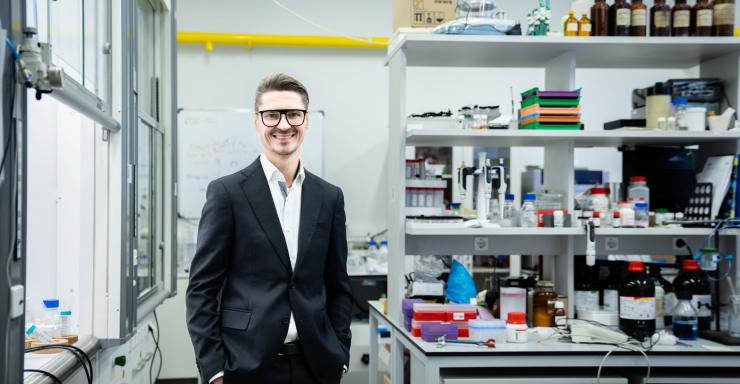
Edžus Žeiris, Director of “ZZ Dats”, explains that the aim of the project is to create a modern and easily adaptable digital platform that will help road maintenance providers to more effectively plan and carry out maintenance work throughout the year. The platform will use artificial intelligence and machine learning technologies to detect and analyze issues such as potholes, cracks, overgrown or poorly visible road signs, and identify other road maintenance needs.
“Automatically collected information will support well-founded and fast decision-making, as well as provide transparent insights into resource usage. This solution will reduce the response time of responsible specialists, ensure safer driving conditions for road users, and enable more efficient use of maintenance resources throughout all seasons,” says Žeiris.
Using artificial intelligence, this comprehensive solution will also enable the prediction of necessary road maintenance actions. In addition, the system will allow users to view municipal roads and the system’s recommendations on an interactive map. The project aims to create an integrated solution using at least four data sources: meteorological data, static road cameras, Waze, and the IRoM mobile application. This will make the service available across large regional areas, not just in cities or locations with meteorological stations.
“ZZ Dats” is encouraging the public to participate in the development of the solution by submitting photographs of various road defects. These images will be used to train the AI system, which will ultimately improve road maintenance efficiency across Latvia.
The second phase of the project to develop the new type of intelligent information system “IRoM” is being carried out by “ZZ Dats” in collaboration with researchers from Riga Technical University (RTU). A data-sharing ecosystem will be established, and AI models developed by RTU will be used for data processing.