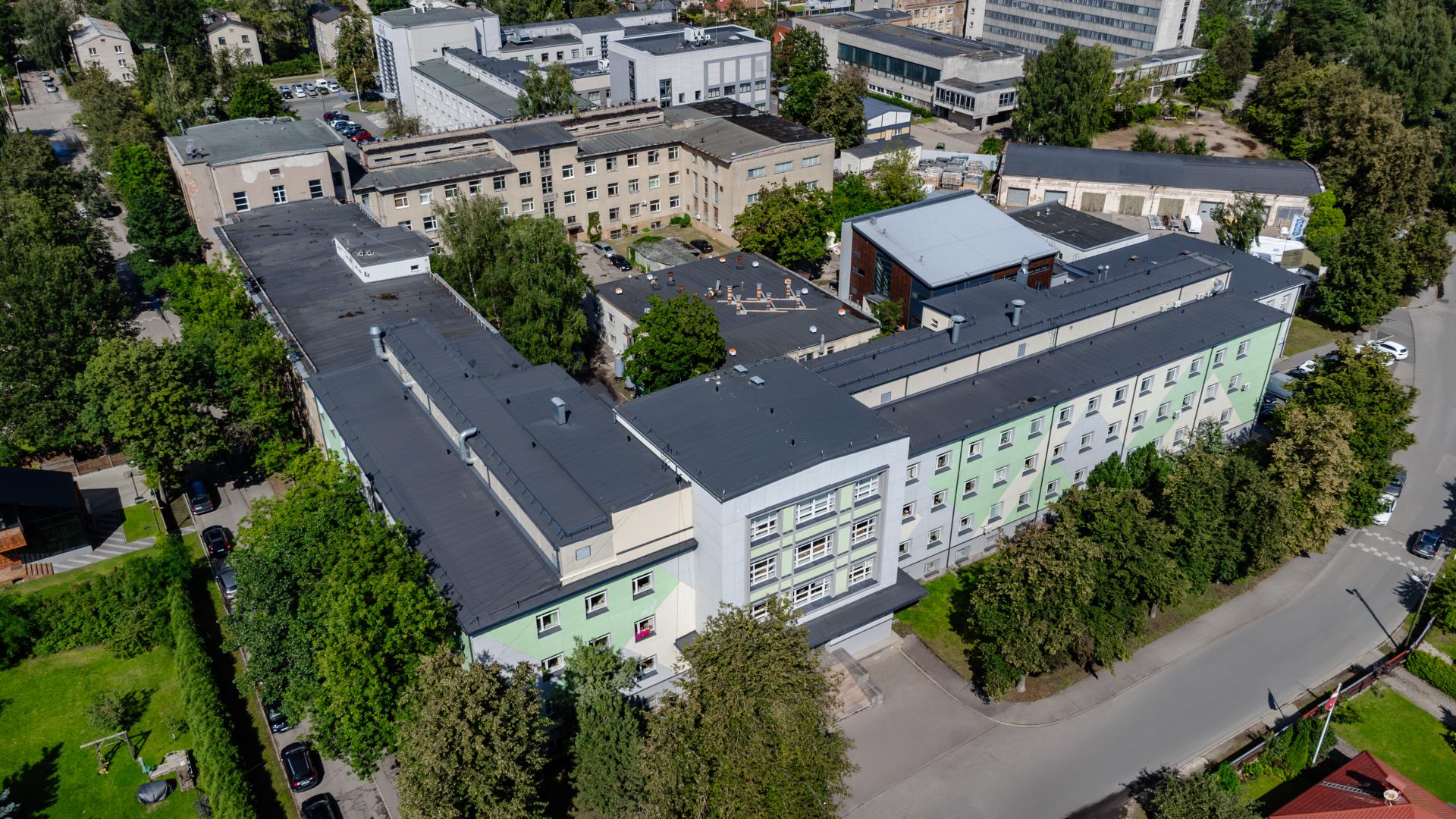
The Latvian State Institute of Wood Chemistry (LSIWC) is one of the leading research centers in the Baltic region dedicated to wood and other biomass studies. Founded in 1946, the Institute combines decades-long scientific traditions with a dynamic approach to the latest trends in wood chemistry, green synthesis, and materials science.
The Institute’s researchers represent various scientific disciplines, including chemistry, biology, and materials science. The main research areas of LSIWC are wood and wood-based materials, biorefining, green chemistry, and biotechnology. These fields are developed through the integration of fundamental and applied research.
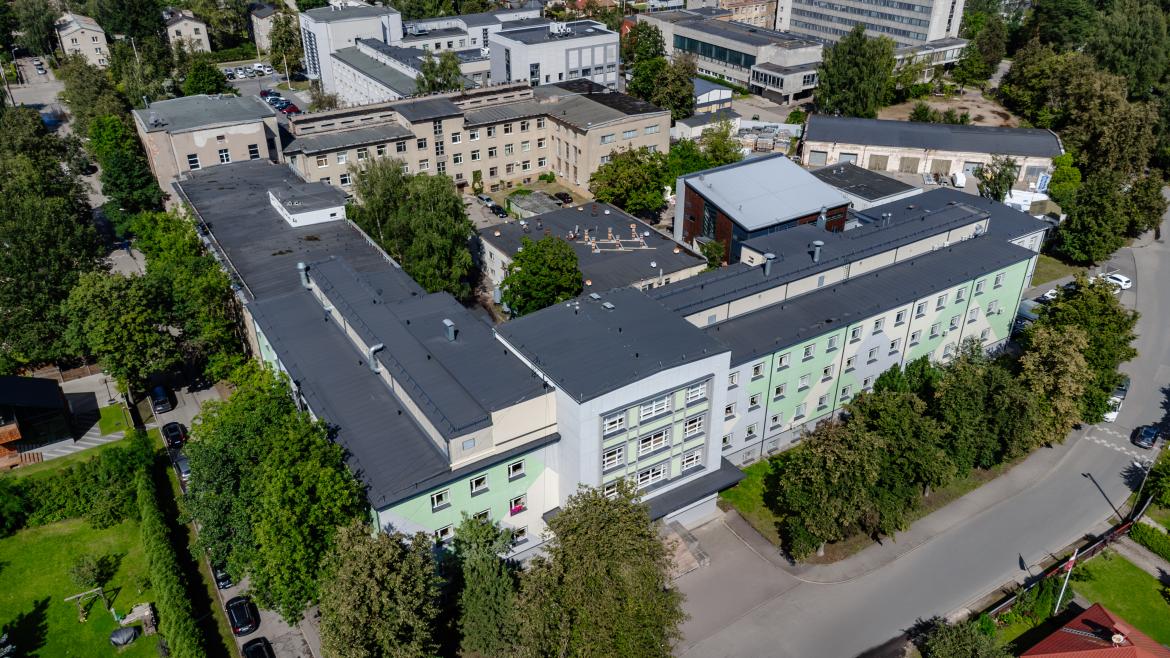
The Latvian State Institute of Wood Chemistry (LSIWC) employs 133 staff members, including 44 PhD holders. The Institute actively attracts visiting researchers and, in collaboration with Latvia’s leading universities, annually provides a research environment for 5–9 doctoral students, fostering a stable new generation of scientists in bioeconomy and materials science. LSIWC scientists also lecture students at top Latvian higher education institutions. Bachelor’s, master’s, and doctoral theses are regularly developed at the Institute.
Between 2019 and 2025, LSIWC researchers published 388 scientific articles indexed in the Scopus database. Every seventh article appeared in Q1 journals, and over half of the publications are available in open access. The Institute’s Field-Weighted Citation Impact (FWCI) reaches 1.13, exceeding the global average.
Laboratories and Research Infrastructure
LSIWC’s research is organized into six laboratories:
-
Wood Degradation and Protection Laboratory studies wood decay processes and ways to enhance material properties, generating fundamental knowledge that can be translated into practical solutions to improve the performance, competitiveness, and sustainability of wood and wood-based materials.
-
Biorefining Laboratory develops solutions for efficient biomass utilization and diversification of biorefining systems.
-
Cellulose Laboratory focuses on the use of cellulose and related natural polymers as alternatives to plastics and petroleum-based products, creating innovative materials, functional additives, adhesives, and other products.
-
Lignin Chemistry Laboratory generates new insights into lignin and other plant polyphenols, including lignans, diarilheptanoids, flavonoids, and condensed tannins, to develop aromatic bio-based products using biorefining principles.
-
Polymer Laboratory researches environmentally friendly polymer solutions, maximizing the use of renewable and recyclable resources to reduce petroleum-based raw materials. Polymers under study include rigid polyurethane foams for thermal and cryogenic insulation, elastomers, vitrimers, and composites.
-
Bioengineering Laboratory investigates microbial cultivation processes, including the production of microbial biomass and biosynthesis products. The laboratory has extensive experience in cultivating and optimizing bacteria, yeasts, mycelial fungi, and microalgae.
In addition to the six research laboratories, LSIWC operates two infrastructure units. The Liquid Chromatography Centre is equipped with advanced analytical instruments, including ultra-high-performance liquid chromatographs with various detectors and high-resolution tandem mass spectrometers, supporting the Institute’s traditional research fields by providing detailed insights into biomass raw materials and derived chemical products.
The Pilot Plant Hangar is used for scaling up technologies developed at LSIWC and by its partners from laboratory scale to industrial applications.
Technology Transfer and Commercialization
The Institute collaborates with leading industrial partners, including Latvijas Finieris, Fibenol, Chempolis, Iecavnieks & Co, and EKJU. Joint patents and licensing agreements with companies such as Saint-Gobain Finland and Mirka facilitate the transfer of laboratory-level innovations into market-ready solutions. Spin-off companies have also emerged from LSIWC research, creating new bio-based product ventures in Latvia and abroad. These collaborations demonstrate LSIWC’s commitment to developing sustainable solutions in close cooperation with industry, ensuring that scientific knowledge translates into real-world impact.
Economic and Cultural Impact
LSIWC has significantly contributed to Latvia’s bioeconomy, implementing over 100 projects with industrial partners and attracting €5 million from 2019 to 2024 for research, technology scaling, and scientific services. The Institute also plays an important role in cultural heritage research and preservation, participating in the study and restoration of numerous national heritage sites, including the Rundāle Palace collection, Lestene Church wooden sculptures, Riga Cathedral roof and tower structures, Kuldīga Holy Trinity Catholic Church, Liepāja Holy Trinity Cathedral, and the Latvian Ethnographic Open-Air Museum, among others.
National and European Priorities
The Institute actively participates in the EU Forest-Based Sector Technology Platform, shaping the future of forest-related industries. LSIWC’s fundamental and applied research aligns with Latvia’s Smart Specialization Strategy, particularly the RIS3 priority area “Knowledge-intensive Bioeconomy,” while contributing to the European bioeconomy strategy by supporting long-term sustainability and innovation-driven growth.
LSIWC is an active participant in Horizon Europe projects, organizes international conferences, and collaborates closely with the European Space Agency. Its research is regularly recognized in the list of Latvia’s most significant scientific achievements, demonstrating the Institute’s high scientific quality and international competitiveness.
Watch the researchLatvia calendar video about PhD Edgars Kuka, a researcher at LSIWC’s Wood Degradation and Protection Laboratory, and his work in advancing wood science.
“Research Latvia 2026” calendar and the researcher profiles were developed within the framework of the ERDF project No. 1.1.1.1/1/24/I/001, “More Effective and Smarter Implementation and Management of Latvia’s Science Policy”, implemented by the Ministry of Education and Science. Developers: SIA VFS FILMS and the researchLatvia team; Photographer: Ieva Romaško; Director: Guntars Graiksts; Producer: Kristīne Pleša; Cameraman: Jānis Šēnbergs; Calendar Designer: Anna Skane.