A study conducted at Rīga Stradiņš University (RSU) reveals that the use of smokeless tobacco, nicotine pouches and electronic cigarettes negatively affects oral health. The doctoral research found that users of these products experience significant changes in the oral cavity – the levels of inflammatory biomarkers in saliva increase and the oral mucosal environment changes, raising the risk of premature tooth loss or developing oral cancer.
A Harmless Image in the Eyes of the Public
Electronic cigarettes and smokeless tobacco are perceived by the public as innocent and harmless because these products do not produce smoke or unpleasant odours, as is the case, for example, with conventional cigarettes. Electronic cigarettes attract both experienced nicotine users and people who have never smoked before, including children and young people, not only with their appealing flavours but also with their appearance and ease of use. Therefore, it is particularly important to investigate the actual effects of these alternative smoking products. For this reason, I conducted a study at RSU, my doctoral research, which is the first in Latvia to examine the impact of alternative nicotine products on oral health, their effects on the oral mucosa, saliva and the microbiological composition of saliva.
Specifically, I investigated changes in the oral cavity among users of smokeless tobacco, nicotine pouches and electronic cigarettes, and the analysis confirmed my hypothesis that the use of alternative nicotine products induces changes in the oral mucosa and oral environment and increases the levels of inflammatory biomarkers in saliva, creating a risk of premature tooth loss or oral cancer.
Tobacco addiction significantly affects human health, making the prevention, diagnosis and treatment of oral diseases more difficult. Latvia has one of the highest tobacco smoking rates in the European Union – according to data from the Centre for Disease Prevention and Control (SPKC, Global Youth Tobacco Survey, 2018/2019 School Year Survey in Latvia, 2019), cigarettes are used by 36% of men and 23% of women aged 15 to 74. New nicotine-containing products are becoming increasingly popular as an alternative to conventional cigarettes, and they are also smoked indoors, thereby ignoring smoking bans and affecting others, as the new tobacco products also cause passive smoking. The effects of these products on oral health and overall health have been insufficiently studied, as they have appeared on the market relatively recently.
Furthermore, manufacturers claim that using new nicotine products is a better alternative to smoking conventional cigarettes. However, the studies cited by manufacturers are not objective, are few in number and limited in scope, and are funded by the tobacco industry itself, so they cannot be considered reliable.
The Study Confirmed Negative Effects
Currently, this is the only study in Latvia on changes in the oral cavity among users of smokeless tobacco, nicotine pouches and electronic cigarettes. Furthermore, this study confirmed my hypothesis that the use of alternative nicotine products induces changes in the oral mucosa and oral environment and increases the levels of inflammatory biomarkers in saliva, significantly increasing the risk of premature tooth loss or oral cancer.
In the study, I conducted visual and microscopic examinations of the oral mucosa in users of smokeless tobacco, nicotine pouches and electronic cigarettes aged 18 to 35 and compared the findings with those of non-users of tobacco and nicotine products in the same age group.
The study participants' oral microbiological composition and salivary inflammatory markers were also evaluated in order to comprehensively determine the effects of the products on the oral cavity.
Smokeless tobacco is not permitted in Latvia, but it is used. It is imported into Latvia illegally and sold on demand. Smokeless tobacco is available in pouches or loose form, must be stored in a refrigerator, and is used under the lip or behind the cheek. This tobacco contains nitrosamines, which are carcinogenic substances and are considered the main causes of the development of lung and oral cancer. Smokeless tobacco also contains substances that are highly dangerous to human health, such as arsenic, cadmium, benzopyrenes, nicotine and formaldehyde. Smokeless tobacco also contains various flavourings so that users can choose different flavours and aromas.
Nicotine pouches contain powdered nicotine and other substances. The amount of nicotine in them varies depending on the manufacturer and brand. Nicotine pouches can no longer be purchased in Latvia, but they are available in other European Union countries. As this product has found its target audience during the nearly five to six years when nicotine pouches could be legally purchased in Latvia, it is still possible to obtain them, but through illegal channels. Although nicotine pouches are recommended to be used for up to 30 minutes, the study data show that, in reality, the duration of use is considerably longer (approximately 90 minutes), and several pouches are also used at the same time. Furthermore, they are also used during sports activities and sleep, which poses a risk of choking and an increased risk of developing dental caries. Currently, the possible long-term risks caused by excessively prolonged and frequent use of the product, exceeding manufacturers' recommendations, are unknown, but the study results indicate early changes.
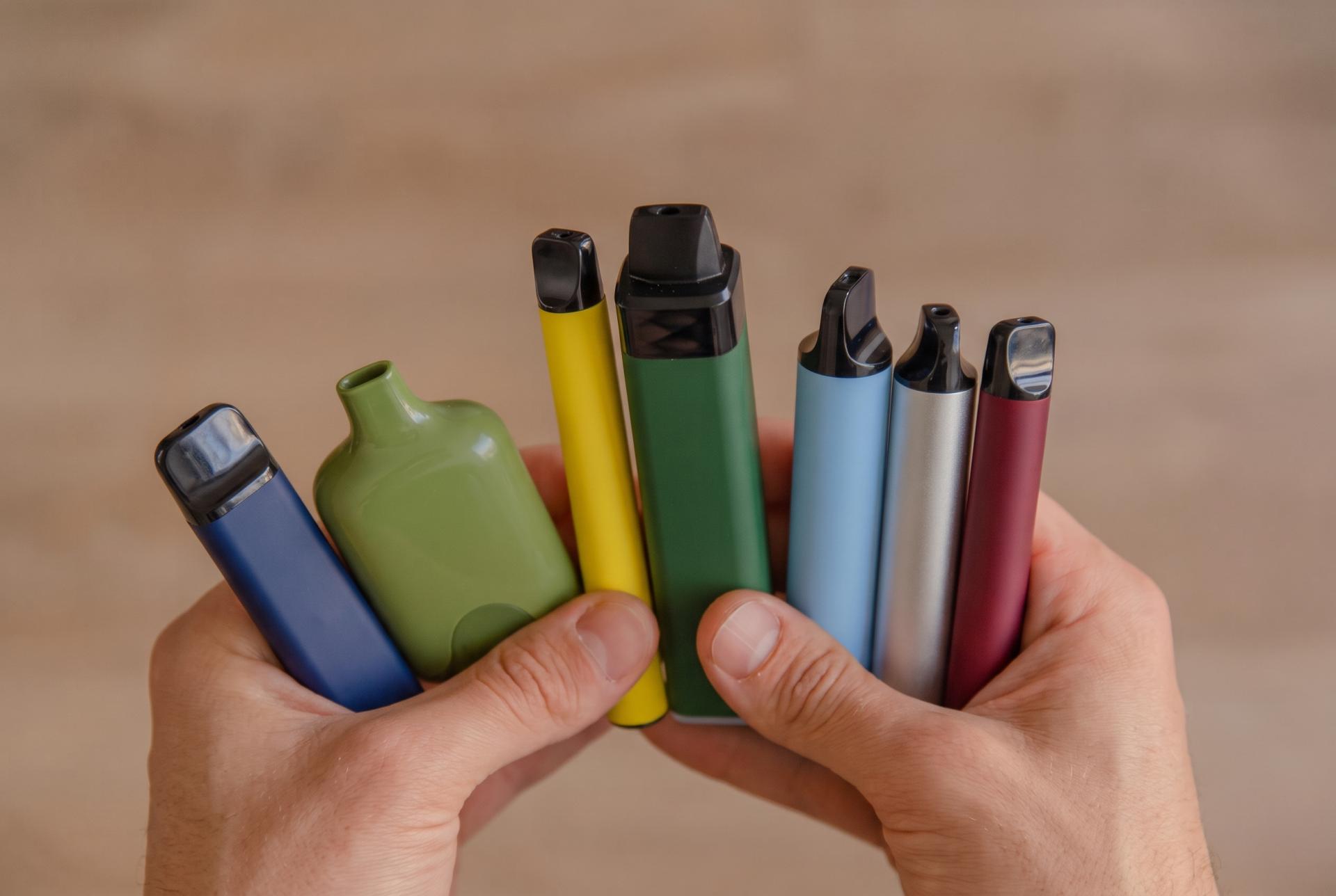
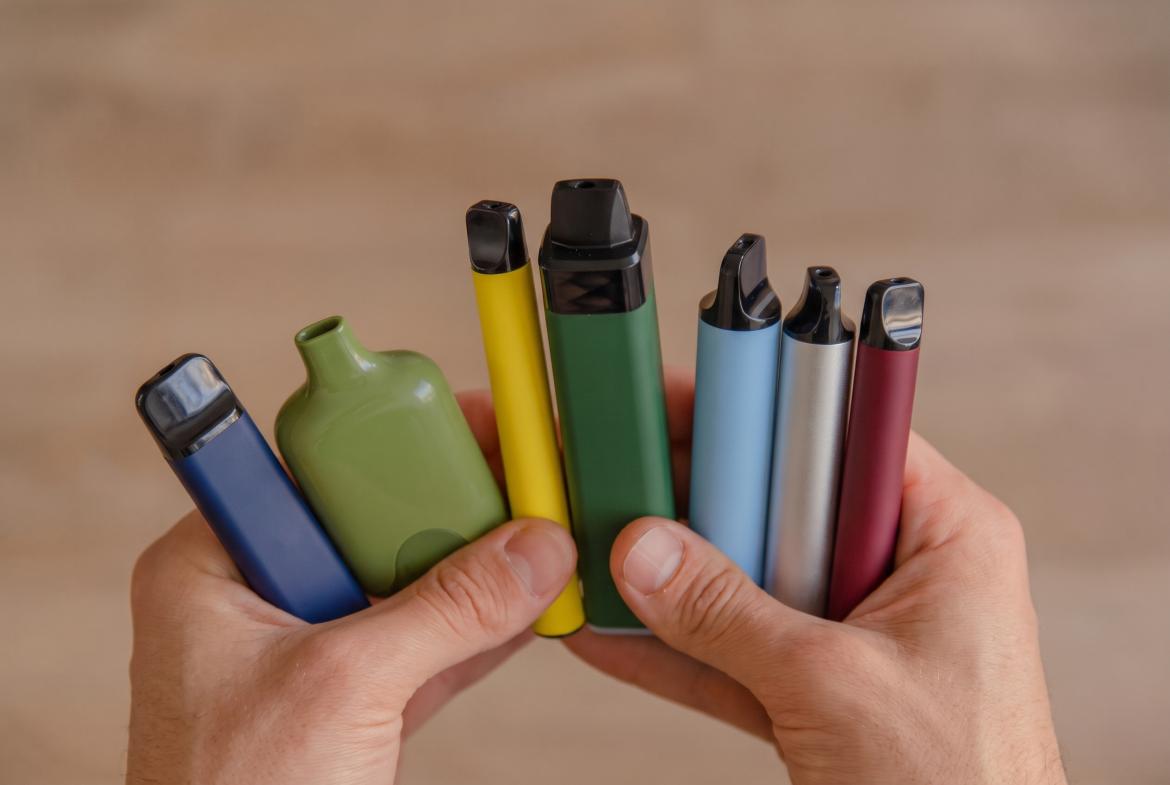
Electronic cigarettes contain vapour rather than smoke, and they contain nicotine-containing liquid, chemicals and flavourings. Disposable electronic cigarettes (ECs), or vapes, have become particularly popular, and they are mainly chosen by young people and children. According to SPKC data, every second (51%) Latvian adolescent aged 13 to 15 has tried using disposable ECs, which are harmful to the immature nervous system and increase the risk of using other intoxicating substances in the future.
In the study, I found that smokeless tobacco and nicotine pouches are more frequently used by men, who usually use more than the permitted one pouch at a time, exceed the recommended duration of use, and frequently use them during training and at night. Electronic cigarettes are used more frequently by women, including those who have not previously used tobacco or nicotine products.
Among users of smokeless tobacco and nicotine products who use at least 5–10 pouches per day for more than five years, mild dysplasia, or a precancerous condition, has been detected at the site where the pouch is placed. If the product continues to be used in this way, the cellular changes may become irreversible, promoting the development of oral cancer.
Changes in the oral environment are observed among users of new nicotine products, with periodontal pathogenic microorganisms predominating. Such changes contribute to the development of periodontitis, which results in tooth loss.
Changes Must Be Monitored Over the Long Term
Given the recent introduction of nicotine products onto the market and their popularity among young people and adolescents, it is important to inform dentists, family doctors, sports coaches, education specialists, as well as parents, about the harmful effects of these products on oral health and health in general. Furthermore, extensive public awareness-raising about the harmful effects of tobacco and nicotine products is also necessary.
Dentists are among the first healthcare professionals who can detect changes in the oral mucosa in a timely manner and explain the harmful effects of these products on oral health. Moreover, during regular dental visits, it is possible to monitor and photograph changes in the mucosa in order to compare them over time. Saliva, which is an easily obtainable material, can be used in routine patient examinations to detect both periodontal microorganisms and inflammatory biomarkers in saliva.
It is necessary to continue research into the long-term effects of these alternative nicotine products on the oral cavity and overall health, particularly in children and young people, as well as to investigate the effects of using several nicotine products simultaneously.
These products are by no means better or healthier than conventional cigarettes. Moreover, the aforementioned results highlight that the use of these products causes cellular changes, changes in the oral environment, as well as changes in saliva, which have harmful effects on the oral cavity. It is not known how these products affect the oral cavity and overall health in the long term, for example, after 15–20 years of use. Regular and timely oral examinations can help detect changes in the oral cavity at an early stage, as well as motivate users to stop using these products.