To inspire students to engage with science, technology and sustainable solutions, the Institute of Solid State Physics, University of Latvia (ISSP UL), will host the eighteenth “Saules Kauss 2026” competition on 23 May, bringing together students from grades 5–12 from all over Latvia.
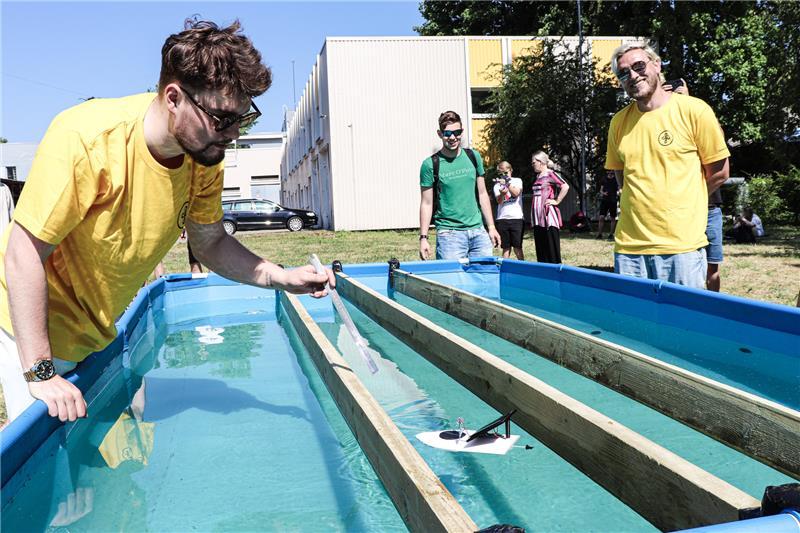
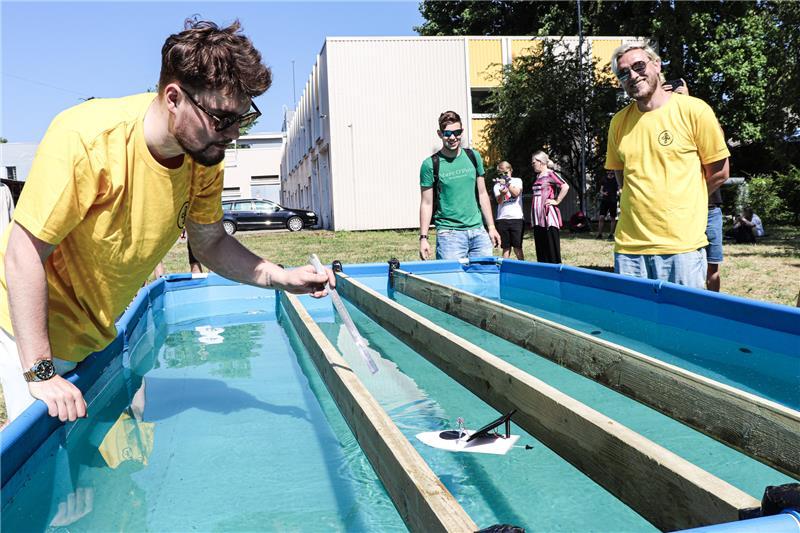
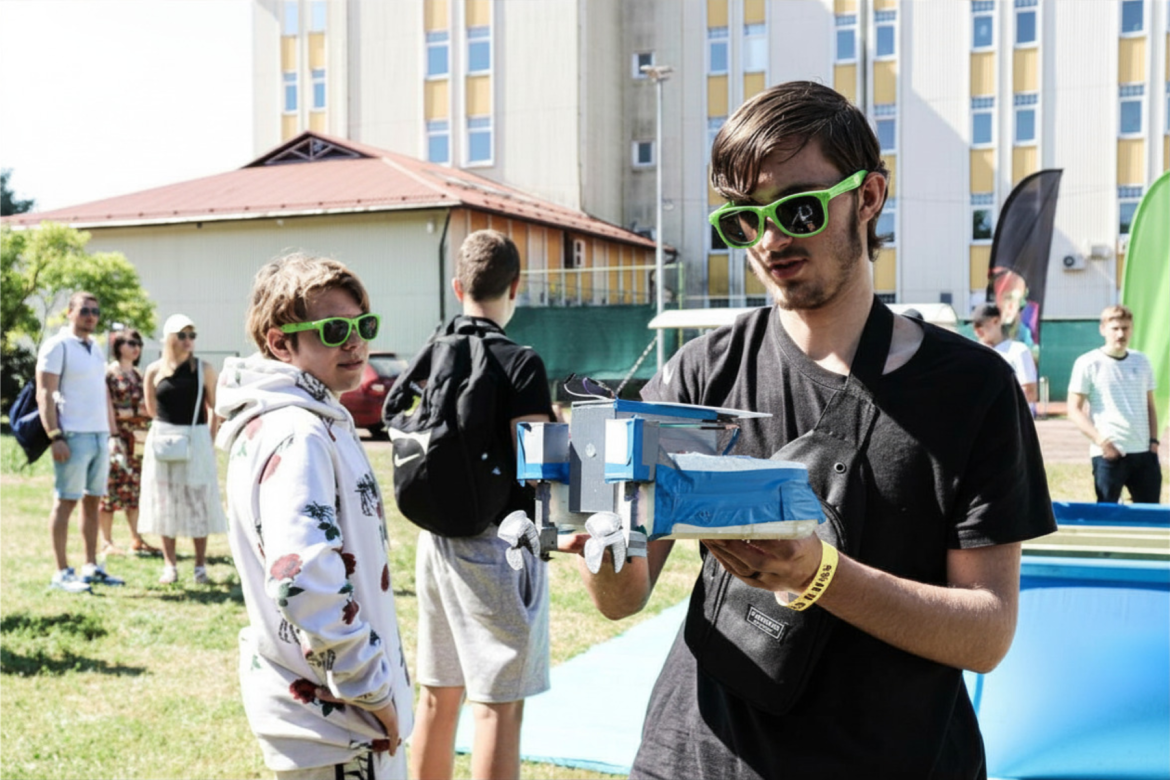
The competition offers young people an opportunity to practically acquire STEM skills by designing and building vehicle models that operate solely on solar energy. Working in teams, participants create solar‑powered cars or boats, going through a full engineering cycle from an idea to a functioning prototype – the young people develop the model concept, create a sketch, then choose materials themselves, construct, test and improve the chassis, wheels and other components of their vehicles.
This approach helps develop not only technical skills but also creativity, critical thinking, problem‑solving and teamwork – essential competences in today’s labour market.
“Saules kauss” proves every year that interest in technologies and sustainable solutions among young people is growing. This year, almost a round hundred student teams have applied for the competition, bringing together 240 students and more than 60 teachers. Represented are not only Riga and the surrounding area, but also Liepāja, Ventspils, Kuldīga, Jelgava, Valka, Valmiera, Cēsis, Koknese, Ilūkste and Daugavpils. On the competition day, at the ISSP UL premises, participants will compete with their models in various disciplines, as well as take part in educational activities and lectures on renewable energy resources.
Event supporters – the Freeport of Riga, Riga Energy Agency, ISSP UL Fund. “Saules kauss 2026” is made possible thanks to a donation from UL Foundation patron Wulf Harder. Excellent prizes will be provided by the competition’s cooperation partners – SEB Bank, RIX Riga Airport, Elektrum, Getliņi EKO, Skrīveru saldumi, Eco‑Buddy, the LACISE project and the FeLow‑D project, who jointly promote young people’s interest in science, technology and sustainability.
Competition: 23 May 2026 Venue: ISSP UL, Ķengaraga street 8, Riga
Additional information: www.cfi.lu.lv/sauleskauss
About the event organiser: ISSP UL is an internationally recognised leader in materials science and interdisciplinary research in the Baltic Sea region. Currently, more than 300 employees work at ISSP UL, over 100 of whom hold a doctoral degree. ISSP UL conducts internationally competitive research, educates students and offers innovative research solutions for industrial needs.