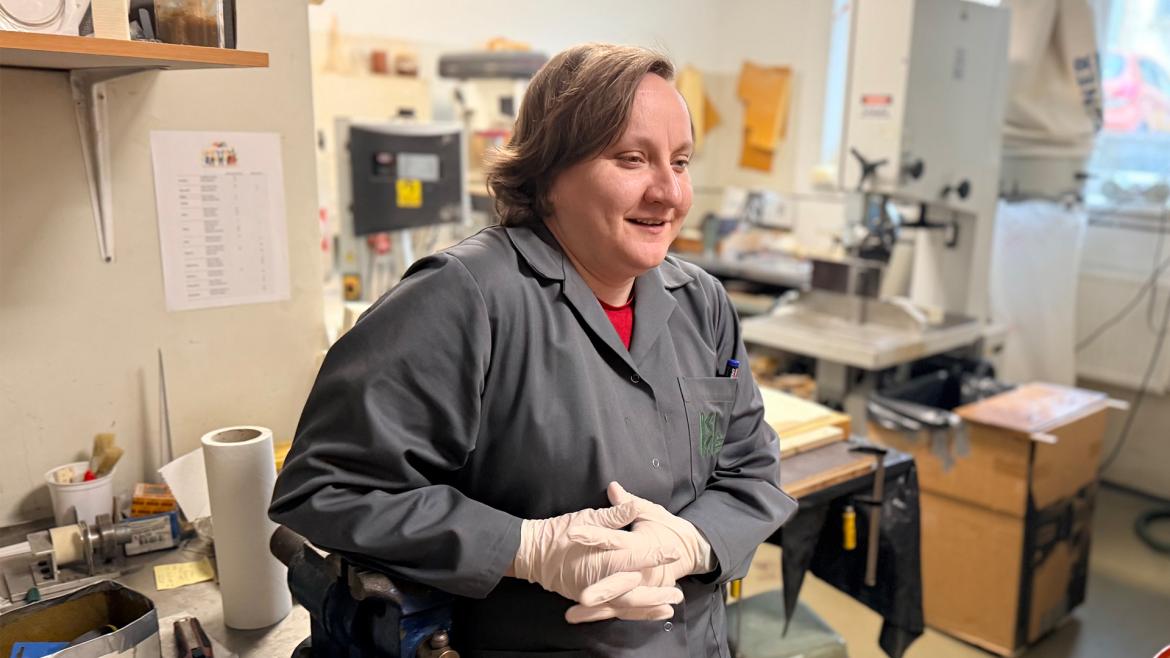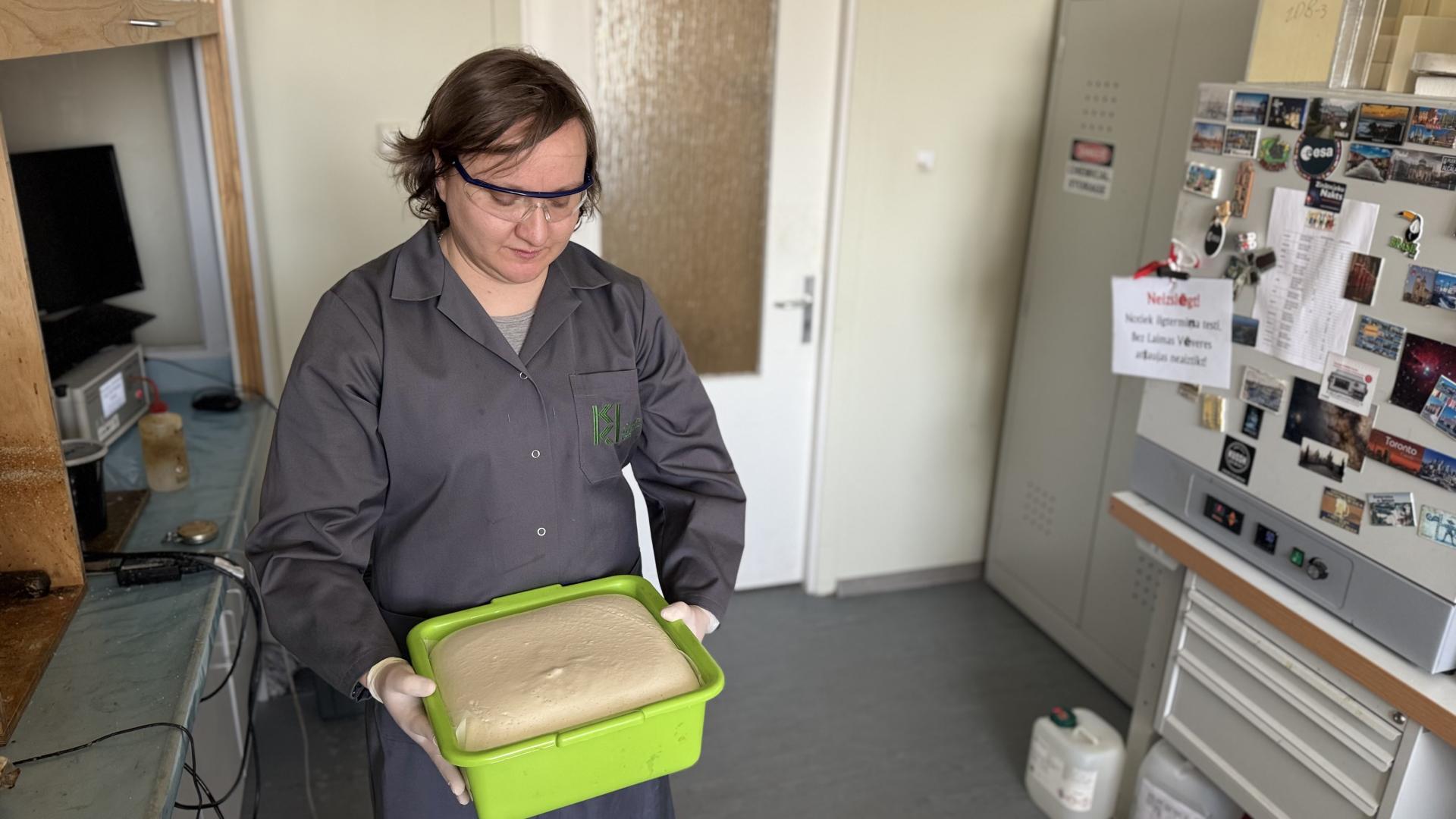
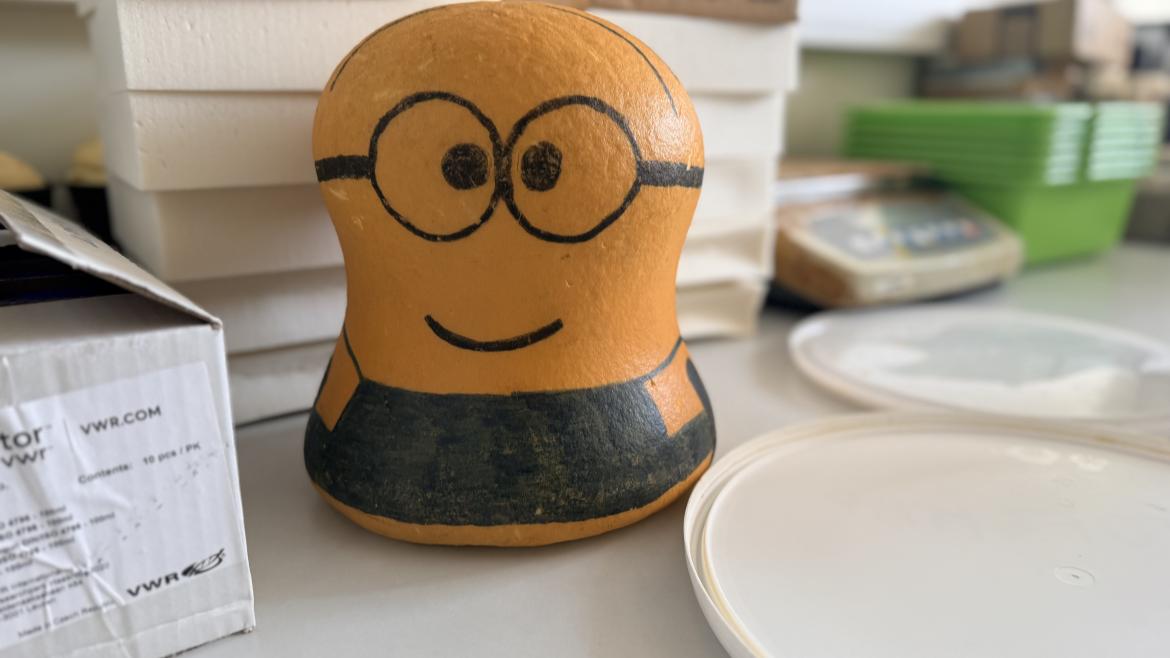
In the workspace of Mg. chem. Laima Vēvere, a researcher at the Polymer Laboratory of the Latvian State Institute of Wood Chemistry (LSIWC) and a senior expert at the Latvian Council of Science, alongside test tubes, equipment, scientific papers, samples, and notes, there is always also Kevin Polymer — a playful laboratory symbol that colleagues jokingly call the main influencer. It is a small reminder that science is not only about formulas, but also about environment, people, and attitude.
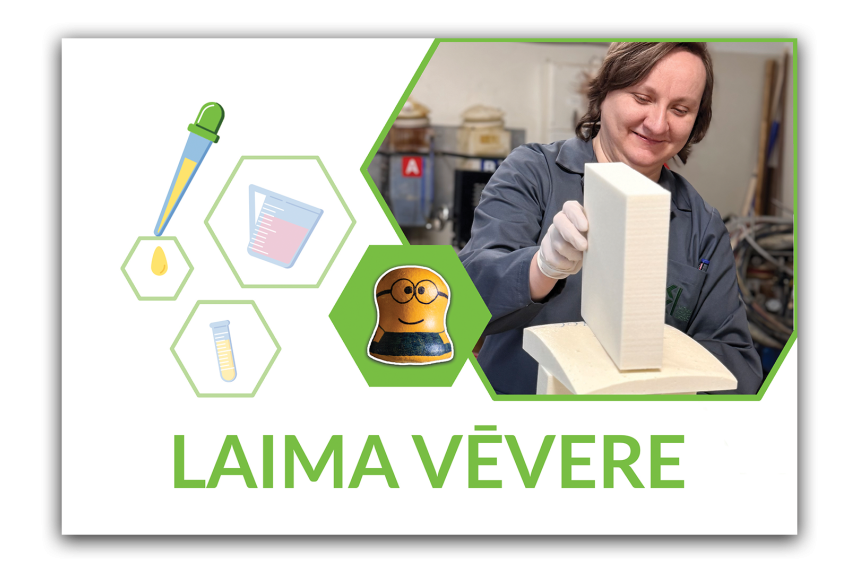
It is no coincidence that Kevin resides in Laima’s laboratory. For more than 10 years, Laima has been organizing Job Shadow Day at LSIWC.
Children and young people are especially drawn to Laima. She not only explains complex things in a simple way, but also encourages them and creates a sense that science is accessible — not something distant or unattainable, but an interesting and engaging path that invites them to follow.
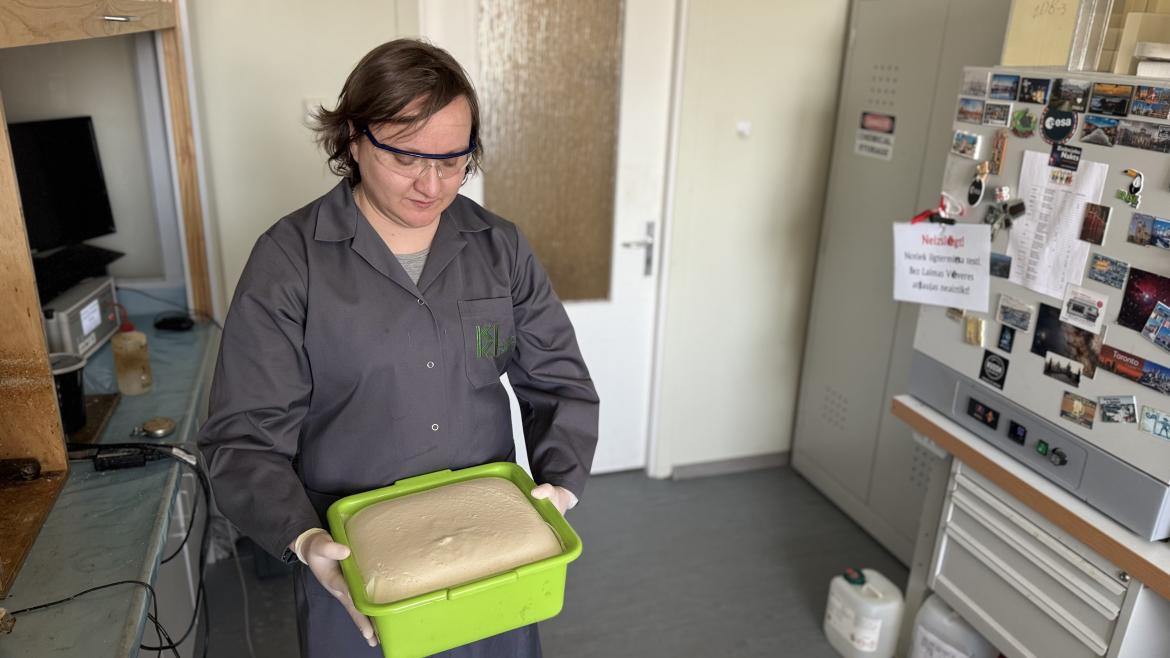
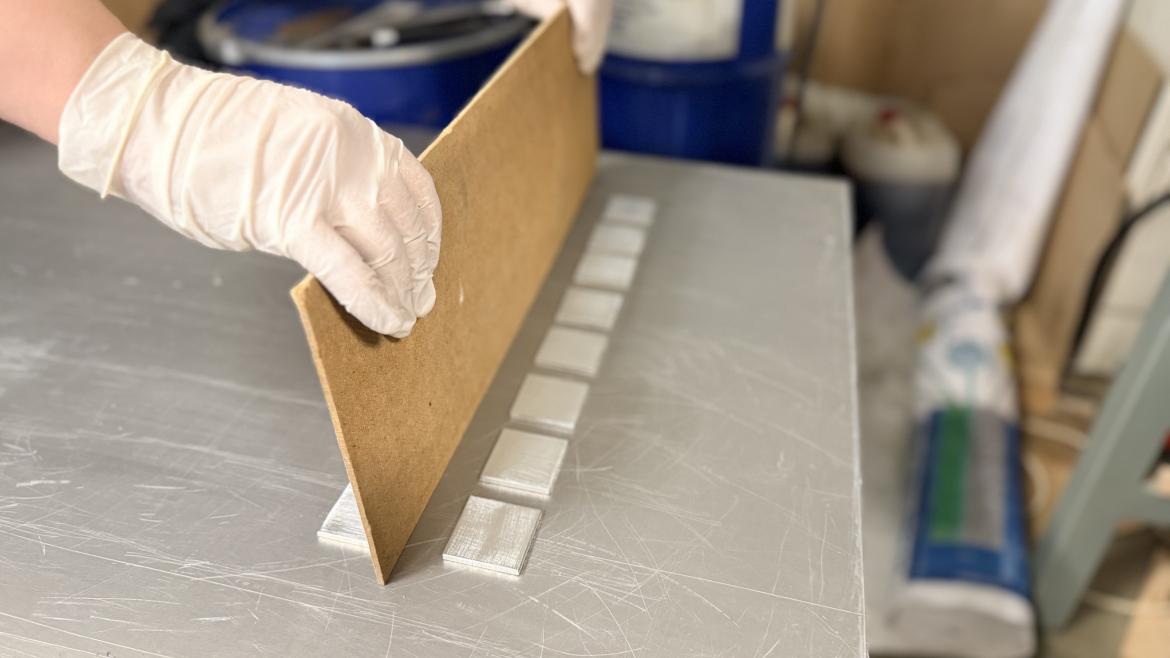
Laima’s journey at the institute began more than ten years ago. She is currently working on her doctoral thesis. Over the years, she has gained experience in the research of biomaterials and lignin, exploring ways to create new materials from natural resources — for example, polyurethane foams with a wide range of practical applications, from thermal insulation to advanced technological solutions.
Job Shadow Day is always a busy time for Laima. Students listen to her stories with great interest, and sometimes they don’t want to leave even after the day has ended. Occasionally, colleagues jokingly ask whether they could “keep their shadow” for good.
This year, Job Shadow Day will take place on April 1, with the motto “Don’t joke about your career!”
How does interest in science develop? What do students actually look for in a laboratory? And what does the organizer of LSIWC’s Job Shadow Day gain from this experience?
We asked Laima Vēvere.
How did your involvement in organizing Job Shadow Day begin?
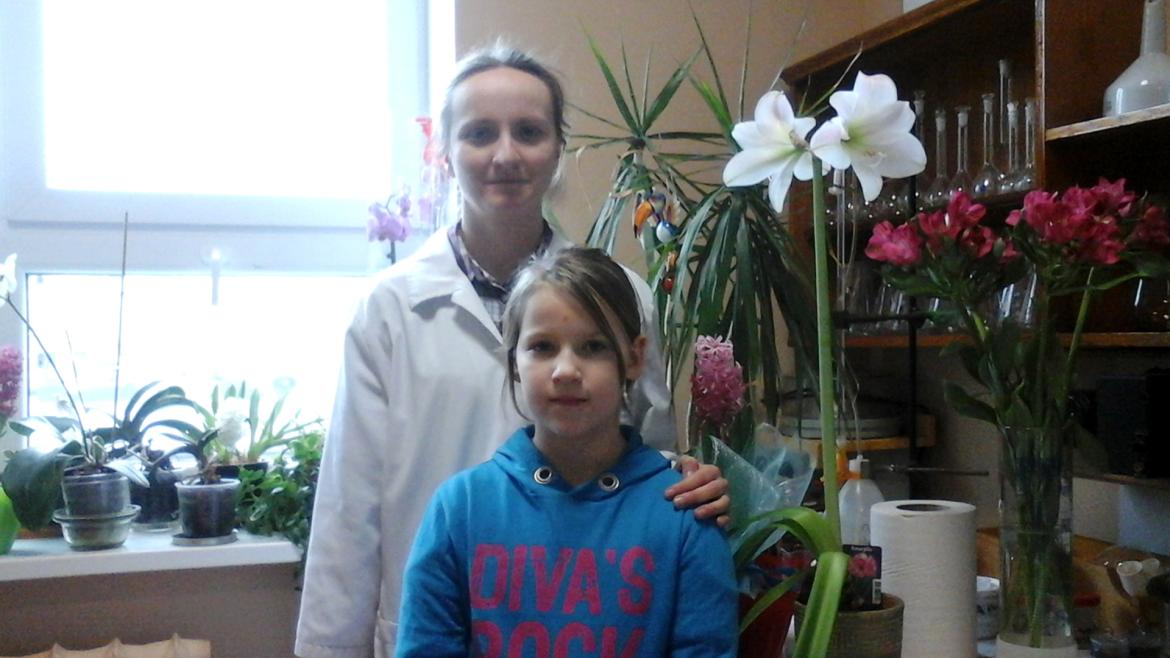
My eldest goddaughter was in the 4th grade and wanted to come and shadow me. Since we work in the field of chemistry, I went to ask our director, Uģis Cābulis, for permission. He agreed, but added: “Talk to the other young colleagues and take a few more shadows.”
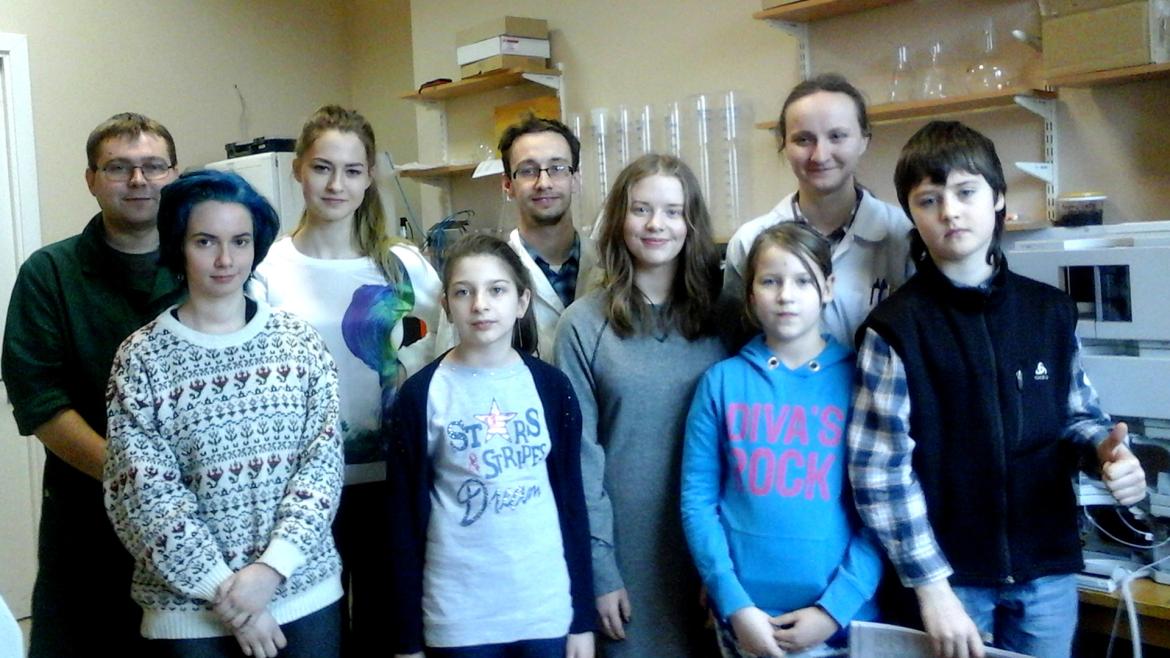
That year was a trial by fire with the first eight students.
What motivates you to organize Job Shadow Day year after year?
The opportunity to inspire young people and help them choose their future profession. It is also a chance to show that the exact sciences are not boring or incomprehensible. To some extent, it has also become a routine — the path has been well established after more than 10 years of organizing Job Shadow Day.
What does Job Shadow Day at LSIWC usually look like? What can students see and experience here?
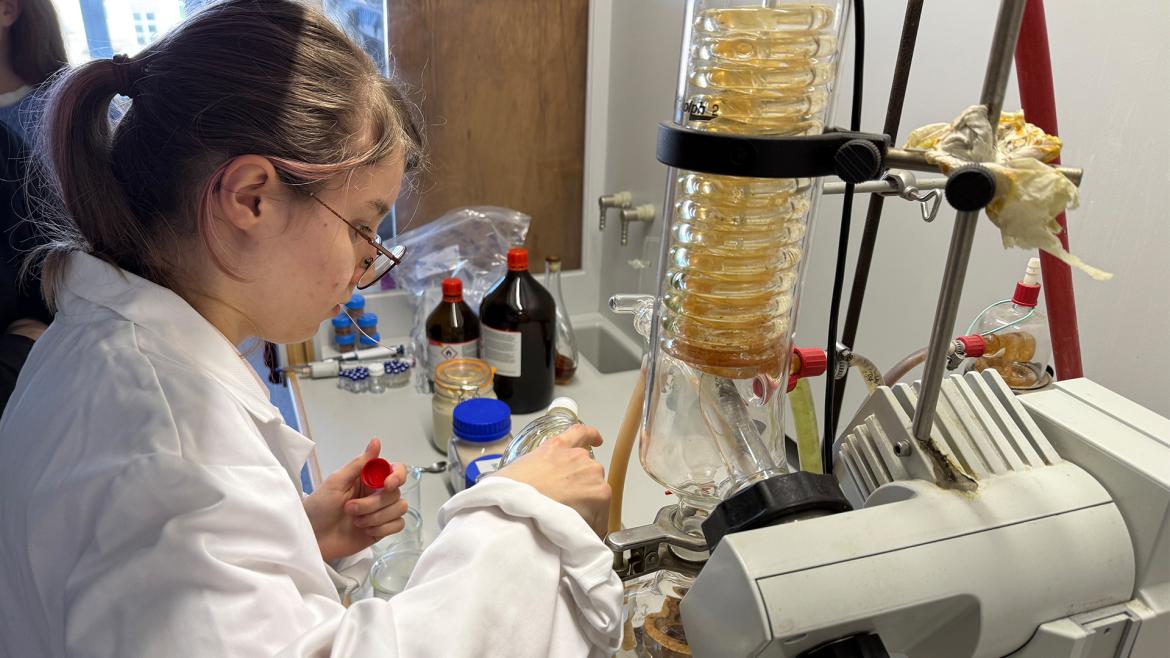
In recent years, Job Shadow Day at LSIWC has started at 9:00 a.m. I begin with a short introduction about the institute, followed by a brief tour that ends in the Pilot-Scale Hangar. After that, the students are handed over to their mentors.
This is the most important part of the day, as it is when students can learn more about the profession they have chosen to shadow.
Do you remember any particularly memorable or unexpected moments from Job Shadow Day?
Job Shadow Day at our institute usually proceeds calmly. There have been cases when a student didn’t really want to leave, even though the working day had already ended. They would happily stay longer and continue the conversation.
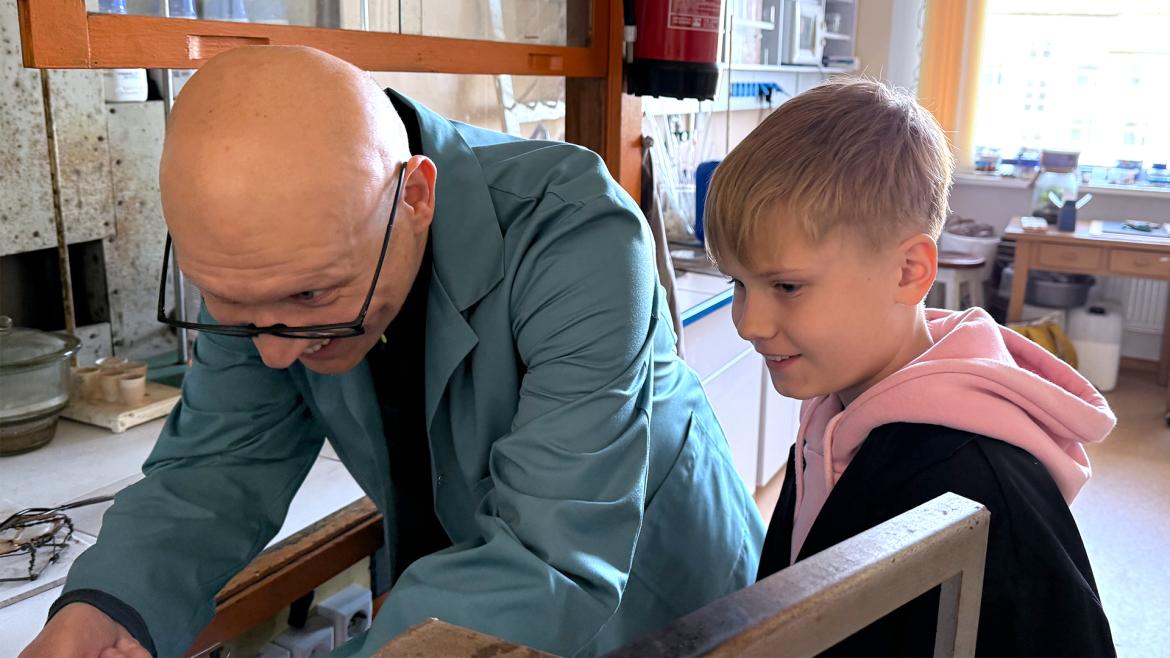
There are also times when colleagues jokingly ask: “Can I keep my shadow for good?” Sometimes a colleague shows their shadow how to work with one of our instruments, and the student eagerly tries it themselves.
Once, a colleague even “lost” their shadow. In the end, it turned out that the student had met someone they knew who also worked at the institute and decided to continue shadowing them instead.
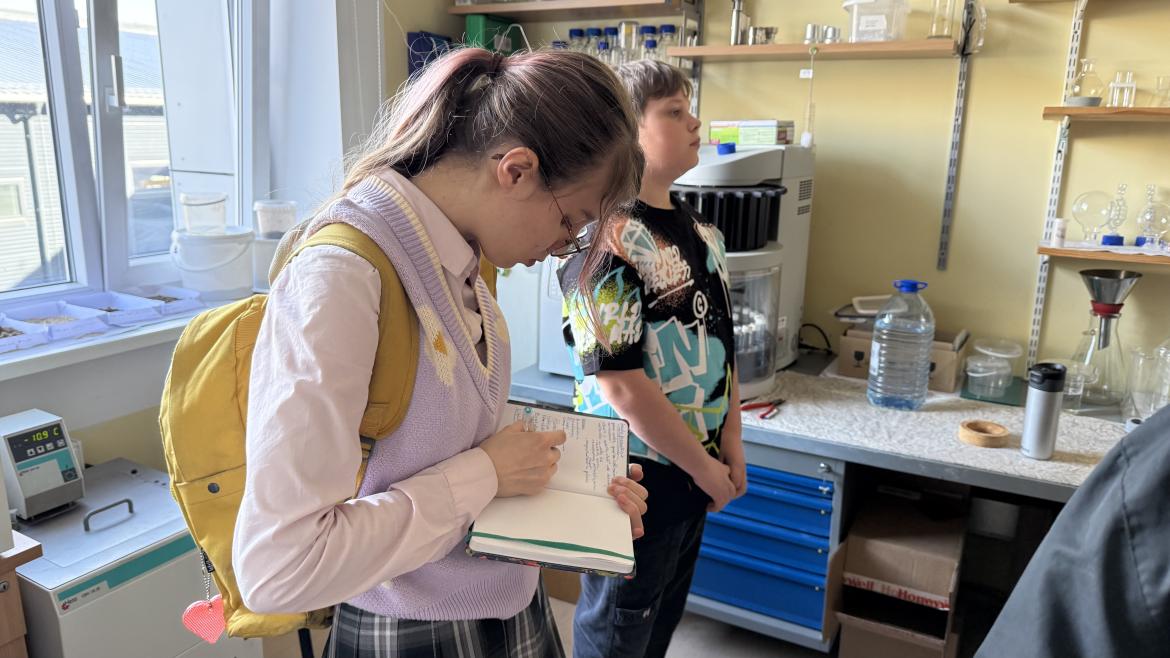
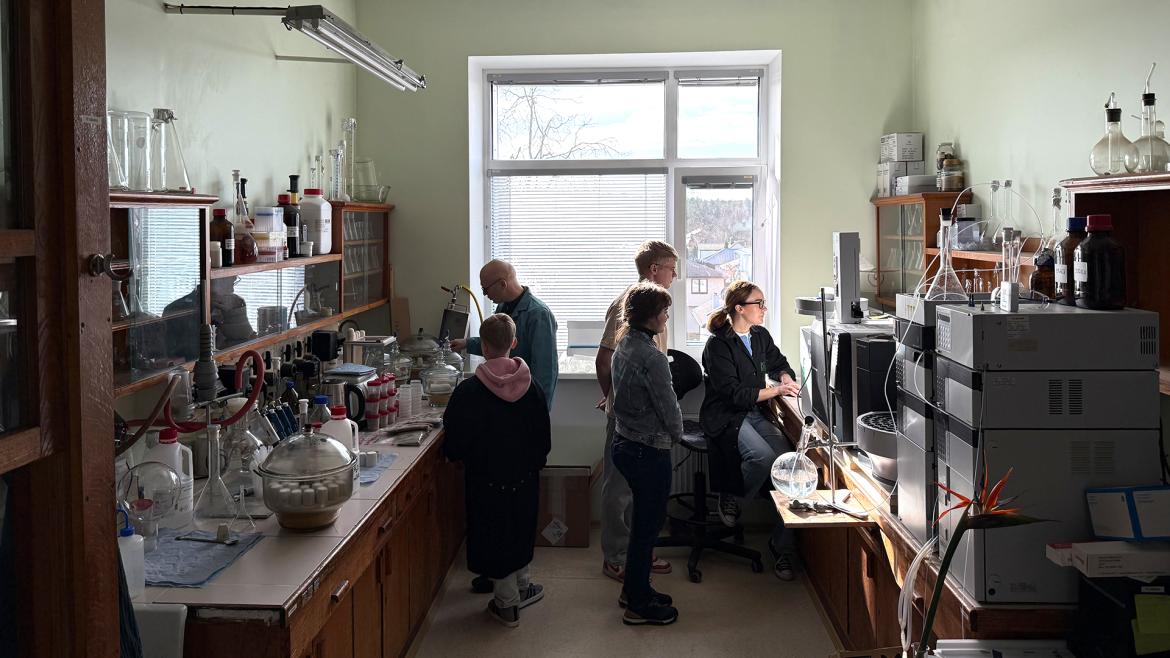
How do students usually react when they first enter a real research laboratory? What surprises them the most?
It depends on the age group. Teenagers are usually more reserved and open up gradually throughout the day. Younger students, on the other hand, are curious from the very beginning — their eyes light up, and they are interested in absolutely everything they see.
Have there been cases when, after Job Shadow Day, a student later chooses to study chemistry or other natural sciences?
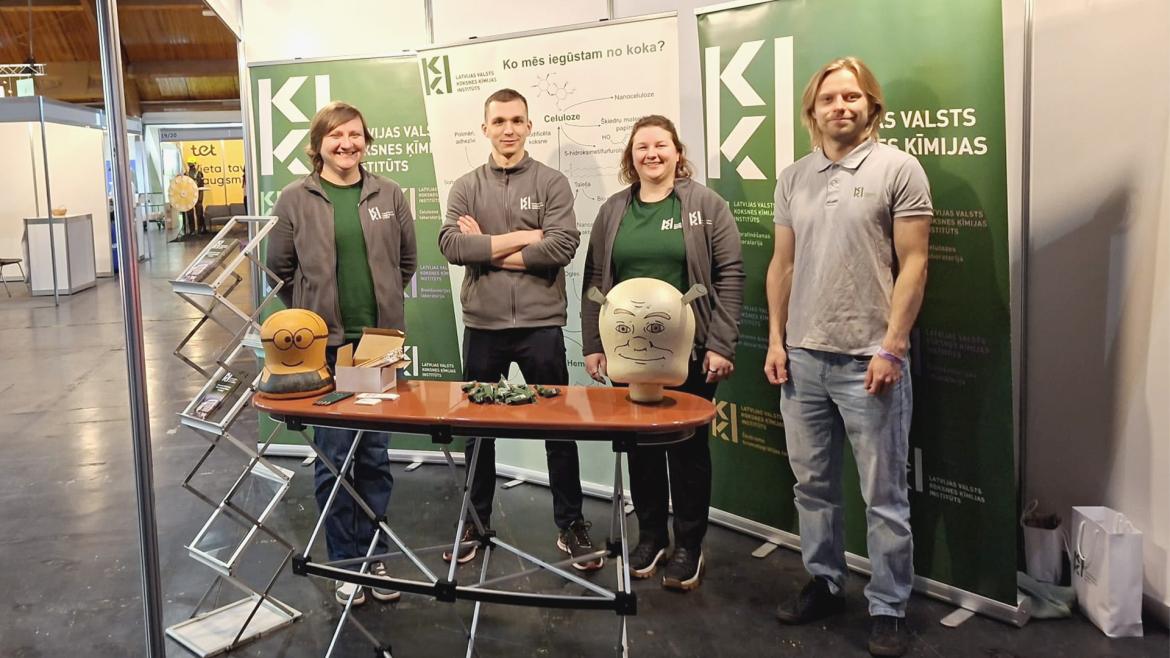
Yes, at least one for sure.Together with the LSIWC Student Council, we also take part in Riga Technical University (RTU) Career Day. Two years ago, a chemistry technology student from RTU approached us with her friend. As we started explaining who we are and what we do, she interrupted us, saying: “I know — I was here on Job Shadow Day.”
It was a very nice feeling to realize that we had been a small step in her career choice. I believe there are more students who decide to study chemistry after Job Shadow Day, as we host quite a number of high school students who have already decided to study chemistry or are choosing between chemistry and another field.
Why is it important for students to see scientists’ work in person, rather than only read about it in textbooks?
Textbooks usually describe only the most striking discoveries, which are often the result of chance. For example, Newton discovering gravity by seeing an apple fall from a tree, or Fleming discovering penicillin after leaving Petri dishes with bacteria and going on holiday, only to find that mold had grown and the bacteria around it had disappeared.
In reality, new discoveries are much more often the result of long and systematic work. It is also important for students to see that science exists here in Latvia as well, and that the achievements of Latvian scientists reach industry and are recognized internationally.
What, in your opinion, can a student gain from spending a day at the institute “shadowing” a researcher?
A more realistic understanding of chemistry. Many students, after chemistry classes or sometimes even science shows, think that chemistry is only about colorful solutions and explosions, which is far from the truth. Many solutions are actually colorless, and solids are often white powders — in our institute, you might also encounter brown solutions or something brown and sticky.
Another thing they gain is a more realistic understanding of science — that a new discovery is not like an apple falling on your head, but rather a systematic and often lengthy process.
And third, just as important, is the realization that chemistry is not the only subject that matters. A good understanding of mathematics, English, as well as physics and biology is also essential.
If a student is currently considering participating in Job Shadow Day but still has doubts, what would you advise them?
Definitely take part! By participating, you have nothing to lose. At worst, you will simply realize that the profession or field is not for you — and that is also valuable.
What do you personally gain each year from this experience of working with young people?
It offers a fresh perspective on your own workplace and profession. Conversations with young people help you understand their perceptions and stereotypes about the role of a scientist.