The Latvian biotechnology company “Alternative Plants” has developed two new active ingredients derived from plant cells, designed for use in anti-inflammatory and anti-ageing skincare products.
The development of these new active ingredients was carried out in collaboration with partners from 11 countries as part of the European Union project "InnCoCells". The project aimed to develop new, natural, and sustainable ingredients for the cosmetics of the future. Over the course of the project, more than 100 plant extracts were studied, with about 25 identified as highly promising for cosmetic applications.
Making the Cosmetics Industry Greener and More Sustainable
According to the company, this project strengthens "Alternative Plants" role within the European biotechnology sector and helps to guide the cosmetics industry toward a greener, more environmentally friendly future.
Collaboration with researchers and companies across Europe has provided opportunities to refine production methods that allow valuable compounds to be obtained from rare plants without harming nature. This means more high-quality, natural, and standardised ingredients for beauty products that are both sustainable and effective.
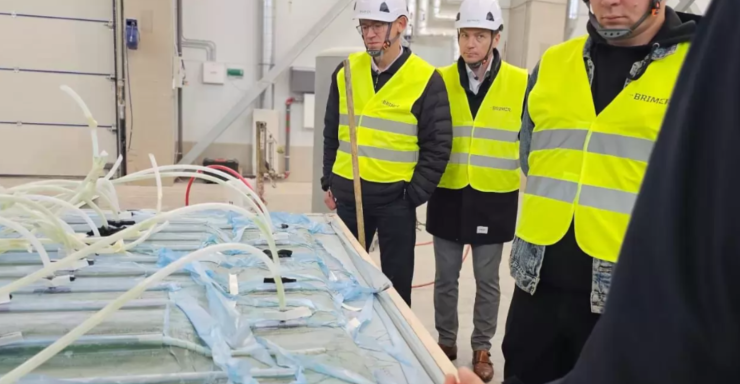
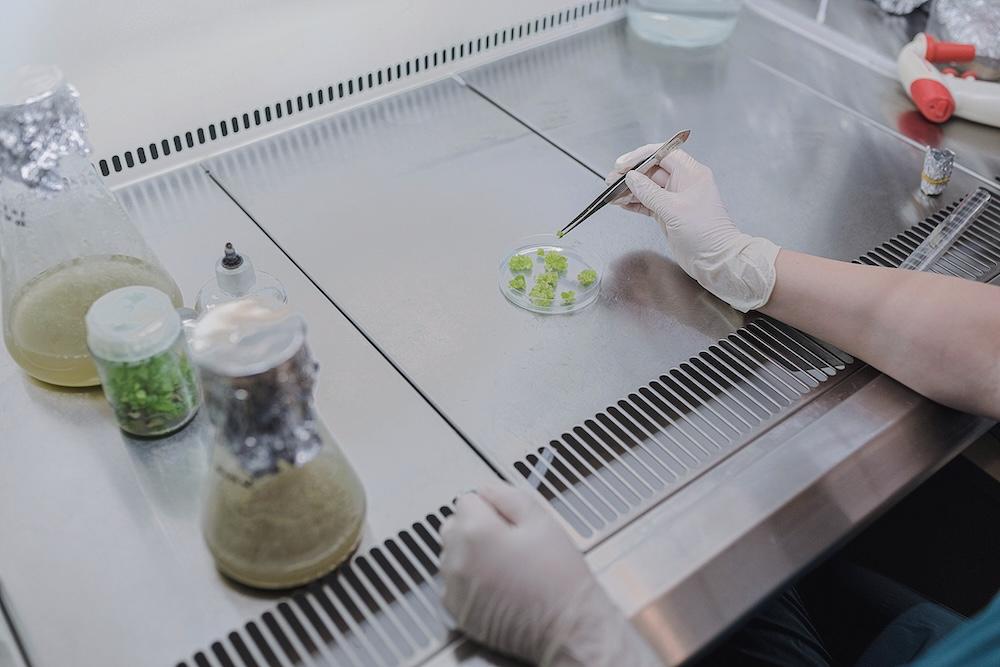
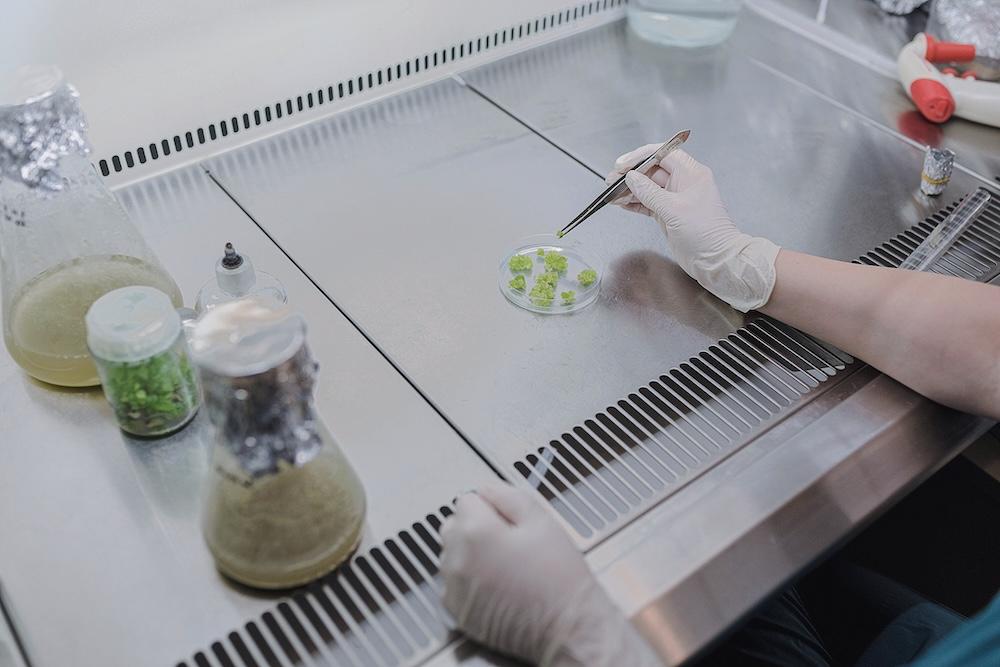
The project also enabled “Alternative Plants” to expand its expertise in modern plant cultivation technologies — such as bioreactors, plant tissue cultures, and root cultures. The Latvian biotechnology company also tested several ingredients developed during the project to verify their efficacy and safety, ensuring high quality before they are incorporated into cosmetic formulations.
As previously reported by Labs of Latvia, work on the "InnCoCells" project began in 2021. “Alternative Plants” participated as an equal partner, contributing not only to activities related to plant cell line development and chemical composition analysis, but also to safety and efficacy assessments of newly created cosmetic ingredients. This involvement allowed the company to be present at every critical stage of the product development cycle.
"This project has been an excellent opportunity for both our company and the Latvian biotechnology sector to strengthen our capacity and reaffirm our competence to partners," said Anna Ramata-Stunda, co-founder of "Alternative Plants".
The project, co-financed under the Horizon 2020 program, has a total budget of €7.9 million.
Developing New Raw Materials for the Cosmetics Industry
"Alternative Plants", founded in 2017 in Latvia, specialises in the production of active ingredients for cosmetics, using a biotechnological approach based on plant cell cultivation.
In 2022, the company completed a €500,000 investment round, Labs of Latvia reported. Investors included Buildit Latvia and SOSV, both of whom had previously supported the company in its early development stage, as well as a new investor, Givaldi.
“Alternative Plants” has developed several ingredients proven to improve skin health and slow down ageing. The company’s first three products have already been commercialised. These ingredients stand out for their laboratory-proven protective, anti-inflammatory, and antioxidant effects on the skin. Compared to competing raw materials, the company’s biotechnological production methods make its ingredients more sustainable and environmentally friendly.
Exploring the Potential of Coffee Waste
In 2024, “Alternative Plants” began a collaboration with "Virši", aiming to develop a sustainable cosmetic ingredient derived from "Virši" coffee grounds. In the company’s laboratory, these coffee residues are being thoroughly studied to optimise extraction methods and obtain as many high-value, skin-beneficial compounds as possible. Researchers are investigating their effects on human skin cells and exploring new applications in cosmetics production.
Early test results already show that coffee waste remains a valuable source of biologically active compounds.
The optimised extraction methods developed by “Alternative Plants” will enable the transformation of what would otherwise be discarded residues into high-performance raw materials.
The resulting new ingredient is expected to serve as a stimulating component in cosmetics designed to combat fatigue, such as facial, body, and hair care products, providing revitalising and protective effects.
"This project allows us to introduce a new, sustainable ingredient to the cosmetics industry - one derived from coffee grounds. Our goal is not only to create effective ingredients but also to promote a full-cycle approach to resource use," previously said Mārtiņš Borodušķis, Board Member and co-founder of "Alternative Plants".