At Latvia University of Life Sciences and Technologies (LBTU), the research project “Polyclay-UV” has been launched with the aim of developing a scientifically grounded, innovative, and sustainable approach to skin protection against the effects of ultraviolet (UV) radiation using materials of natural origin. The project addresses both issues essential to skin health and current environmental sustainability challenges by seeking alternatives to the widely used synthetic UV protection solutions.
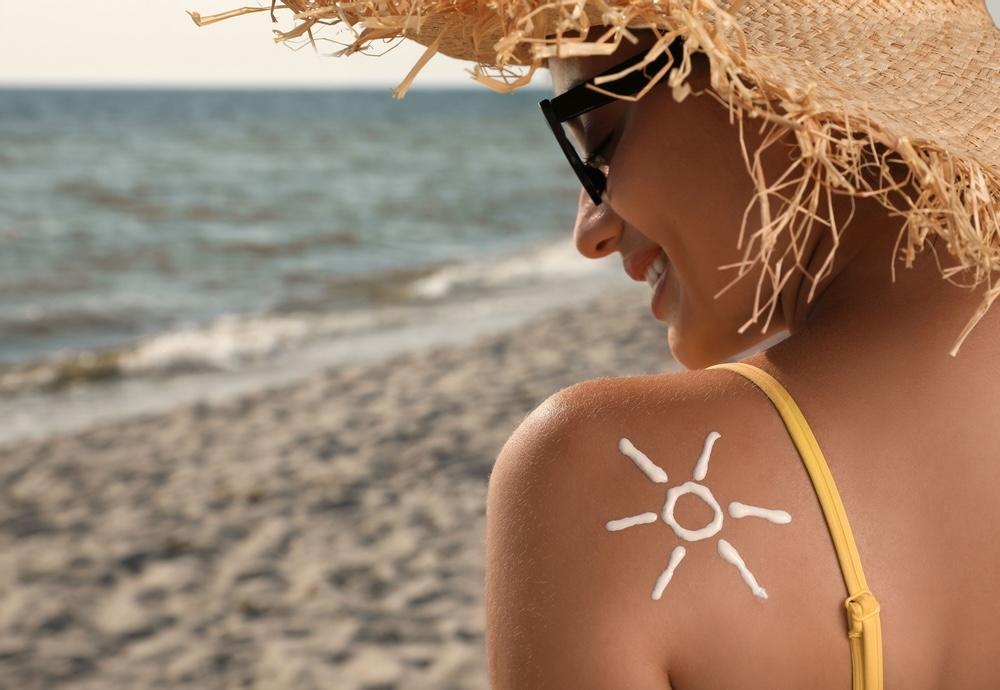
Skin cancer is one of the most common types of cancer in modern society, and approximately 90% of cases are closely linked to UV radiation–induced cellular damage. Dermatologists emphasize the use of SPF products as one of the most effective ways to reduce UV-related harm and the risk of skin cancer. As a result, sun protection is no longer relevant only during the summer season—UV filters are increasingly becoming an integral part of daily skincare routines.
The sun care cosmetics market is experiencing rapid growth, driven by changes in consumer habits and increasing awareness of the impact of UV radiation on skin health and premature aging. UV filters are currently used not only in traditional sunscreens but also in facial and body care products, decorative cosmetics, serums, lip balms, and even hair care products. Consequently, this segment has become one of the fastest-growing areas within the beauty industry.
At the same time, approximately 80% of sun care products contain synthetic UV filters. Although they are effective, they may irritate the skin, cause allergic reactions, and in some cases enter the bloodstream, potentially affecting the endocrine system. Moreover, synthetic UV filters place a significant burden on the environment—when released into water, they harm marine organisms, contribute to coral bleaching, and accumulate in ecosystems. Mineral filters are more environmentally friendly, but users often perceive them as less pleasant to apply. Therefore, there is a clear need for new solutions that provide natural, multifunctional, effective, and user-friendly UV protection.
For this reason, the “Polyclay-UV” project, implemented within the long-term national research program “Innovation Fund – Long-Term Research Program” and the project “Biomedical and Photonics Research Platform for the Creation of Innovative Products (BioPhoT)”, is based on the development of multifunctional clay–polyphenol composite materials using raw materials of natural origin. Special attention is given to obtaining polyphenols from by-products of the food and beverage industry, including spent tea leaves and coffee grounds, thereby promoting resource reuse and the implementation of circular economy principles.
The “Polyclay-UV” project plans to investigate the stabilization of polyphenols within the structure of clay minerals, evaluate the UV protection effectiveness of the developed composite materials, analyze their antioxidant and anti-inflammatory activity, test safety in skin cell models, and develop the first cosmetic prototypes demonstrating the material’s practical application in sun protection products.