On May 6, a major project within the Switzerland–Latvia cooperation programme “Applied Research” — LACISE — was officially launched at the Institute of Solid State Physics, University of Latvia (ISSP UL). The project focuses on ICT and smart energy solutions.
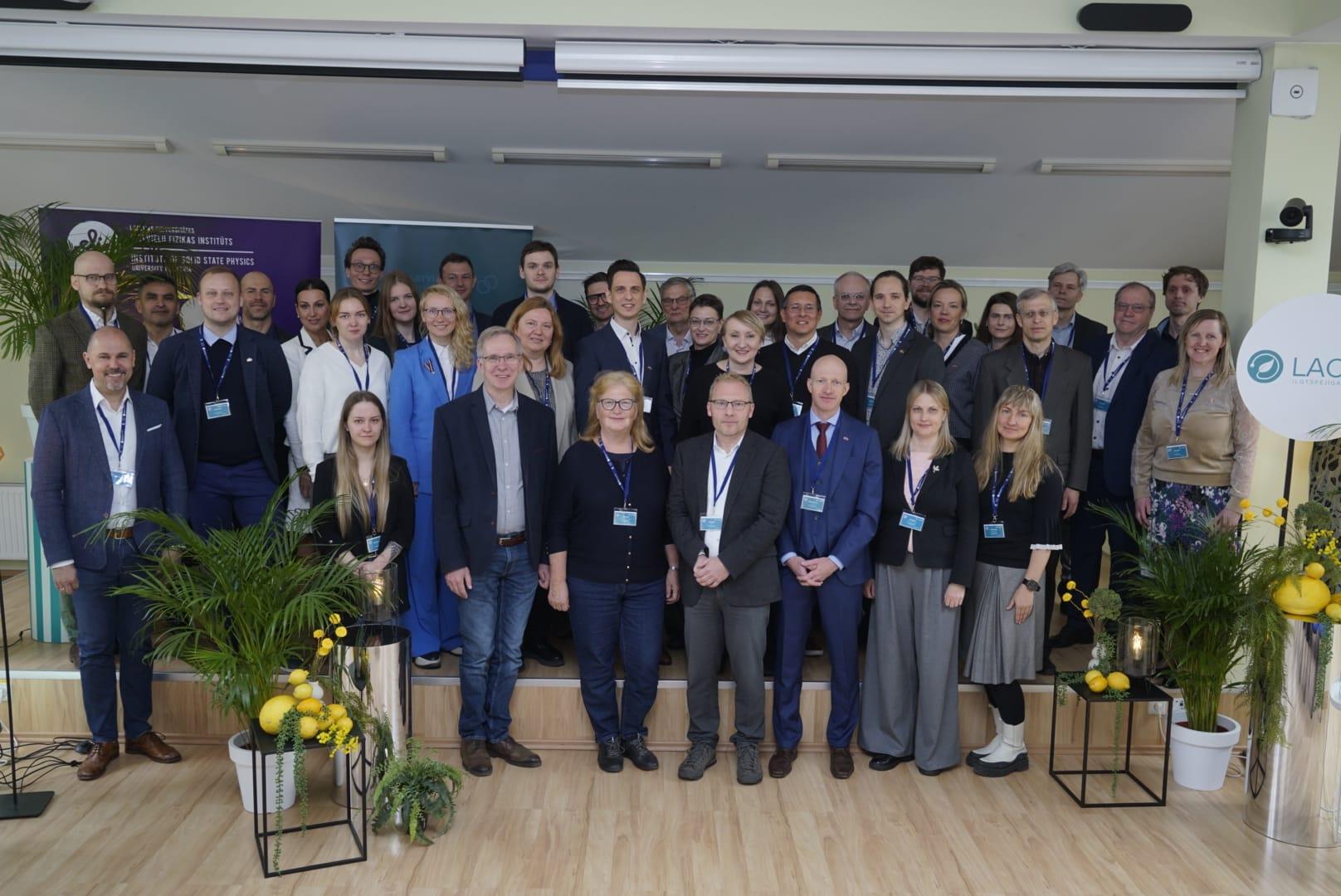
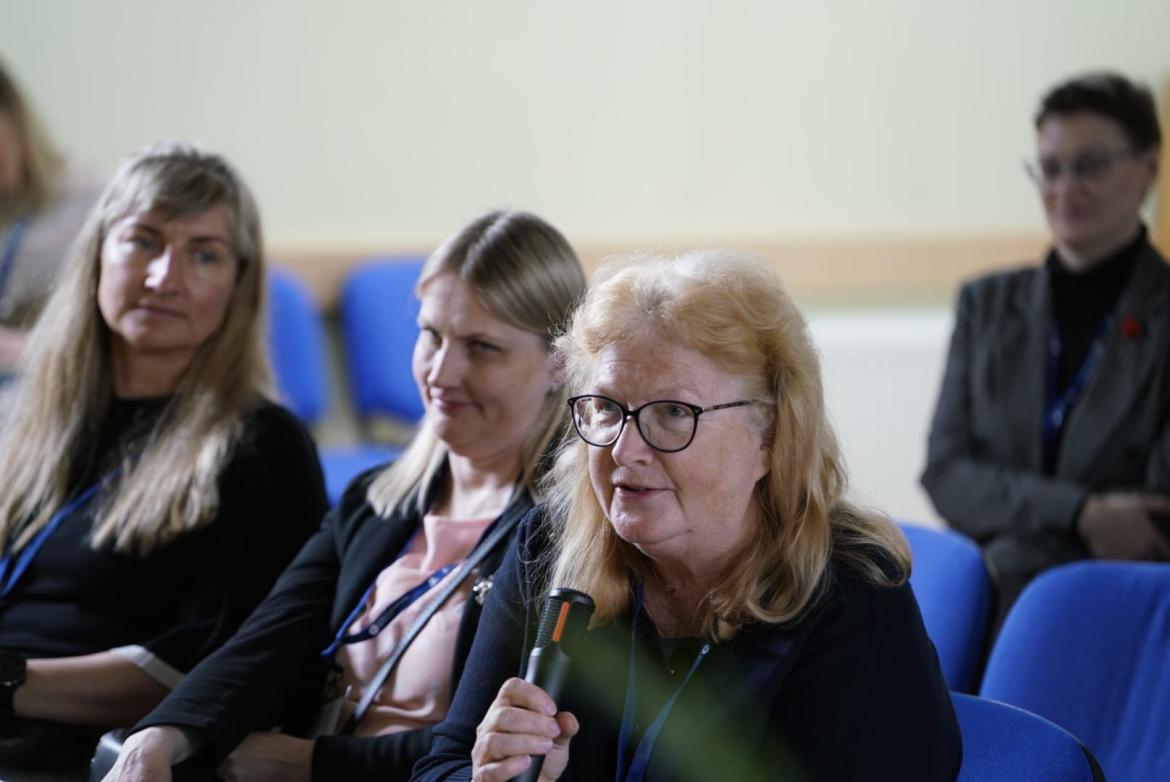
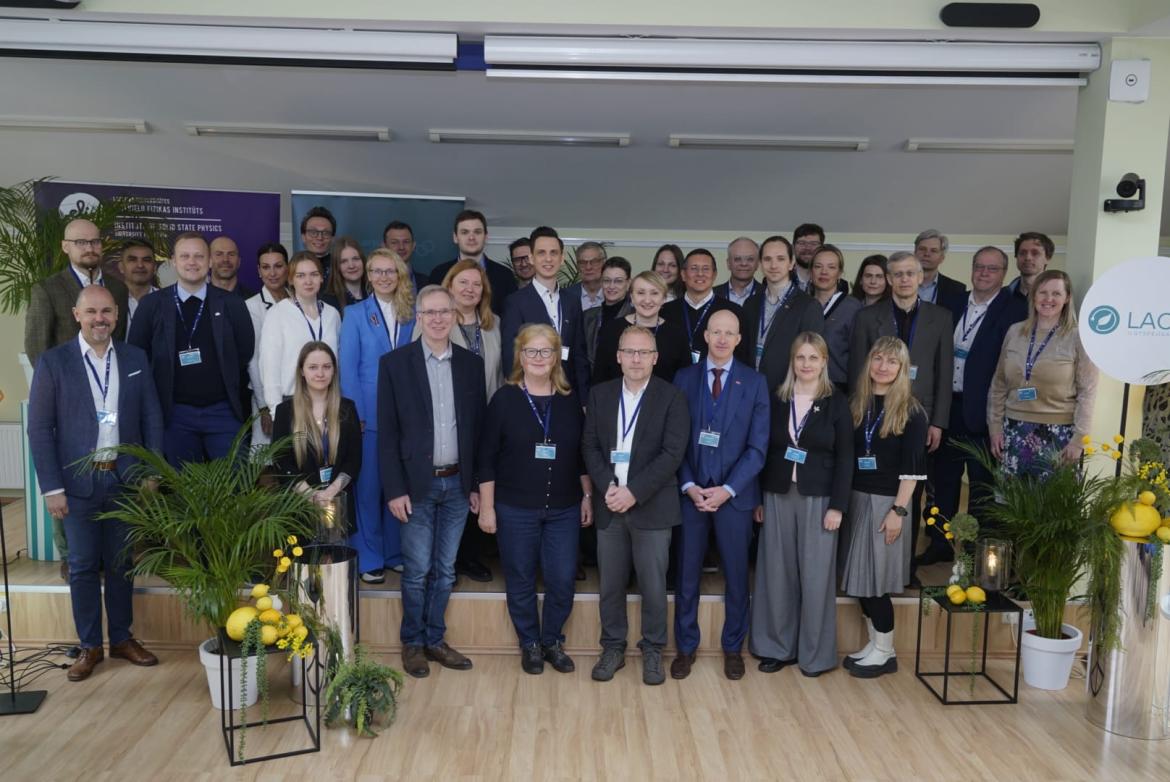
At the opening event, greetings were delivered by Christoph Liechti, Director of the Swiss Contribution Office for the programmes in Latvia, Lithuania, and Estonia, Lauma Sīka, Deputy Director of the Science and Innovation Department at the Ministry of Education and Science of Latvia, and Andris Anspoks, Director of ISSP UL. The event was attended by representatives of the Latvian Council of Science, industry professionals, and project consortium partners from both Switzerland and Latvia.
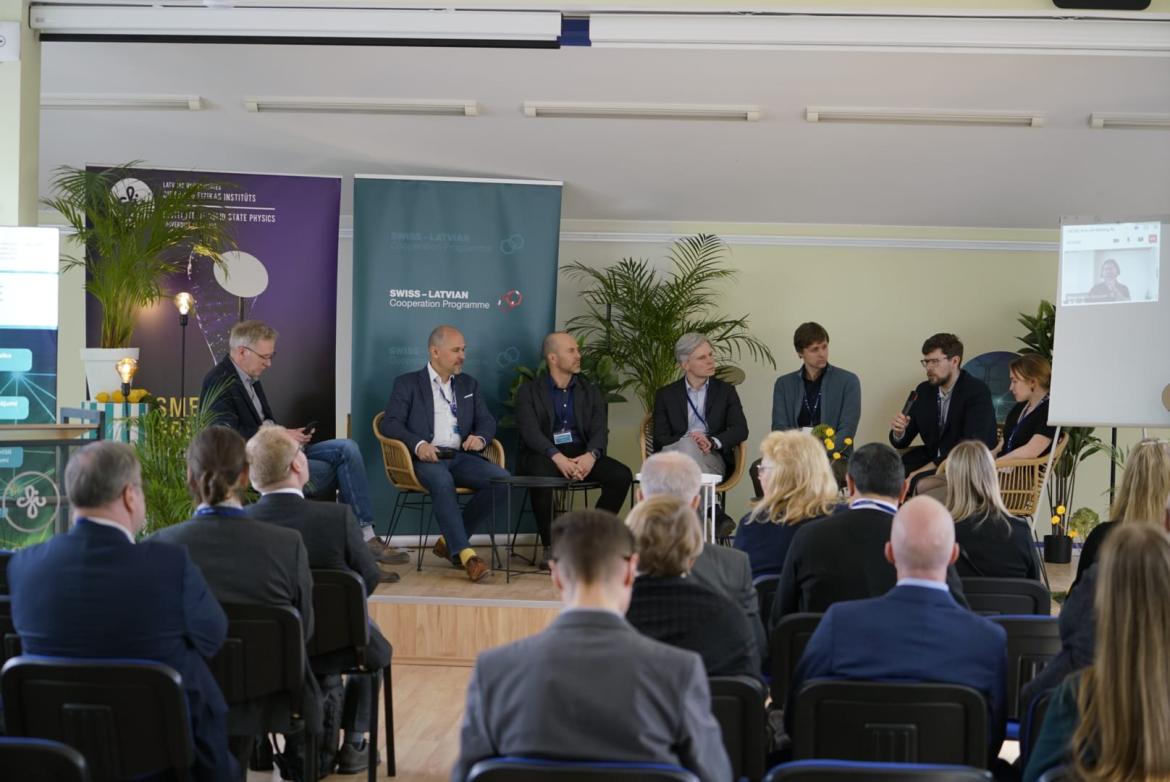
During the event, industry representatives from ABB (Switzerland), Naco Technologies (Latvia), Latvenergo, Riga International Airport, the Latvian Hydrogen Association, and the Riga TechGirls platform participated in the establishment of the project's Stakeholder Advisory Board and signed a memorandum of understanding on cooperation within the project. ISSP UL Director Andris Anspoks invited industry participants to a discussion, where expectations from the LACISE project were defined and its potential contributions to the Latvian and European energy sectors were outlined. The LACISE opening event also marked the starting point for the creation of a Swiss-Latvian Competence Centre.
The LACISE project (2025–2029), implemented within the Switzerland–Latvia Cooperation Programme for Applied Research, focuses on solving critical contemporary challenges in energy and educating the next generation of scientists. It fosters strong cooperation between researchers from the Institute of Solid State Physics (ISSP UL), the Institute of Electronics and Computer Science (EDI), Riga Technical University (RTU), Paul Scherrer Institute (PSI), Zurich University of Applied Sciences (ZHAW), and the Swiss Center for Electronics and Microtechnology (CSEM).
The project aims to develop both short- and long-term solutions in key energy sectors, supporting energy system stability, next-generation battery development, and the advancement of hydrogen production technologies. A significant emphasis is placed on engaging youth — especially girls — in STEM, with the goal of increasing participation in these fields to ensure diversity of thought and innovation, essential for addressing complex scientific challenges of our time.
Through close cooperation between Switzerland and Latvia, a wide-reaching research programme is being implemented, which not only strengthens Latvia’s scientific potential and future talent pool, but also promotes innovative solutions with potential benefits for the circular economy, environmental recovery, and collaboration with industry — ensuring that the work contributes to growth and innovation in the energy sector and shapes the future of the country.
About the project:
LACISE is implemented within the Switzerland–Latvia Cooperation Programme “Applied Research,” coordinated by the Ministry of Education and Science of Latvia and the Latvian Council of Science. The total programme budget is €12,352,941, of which Switzerland co-finances 85% (€10,500,000), and Latvia provides 15% (€1,852,941) from the national budget.
“LACISE” website, LinkedIn – LACISE