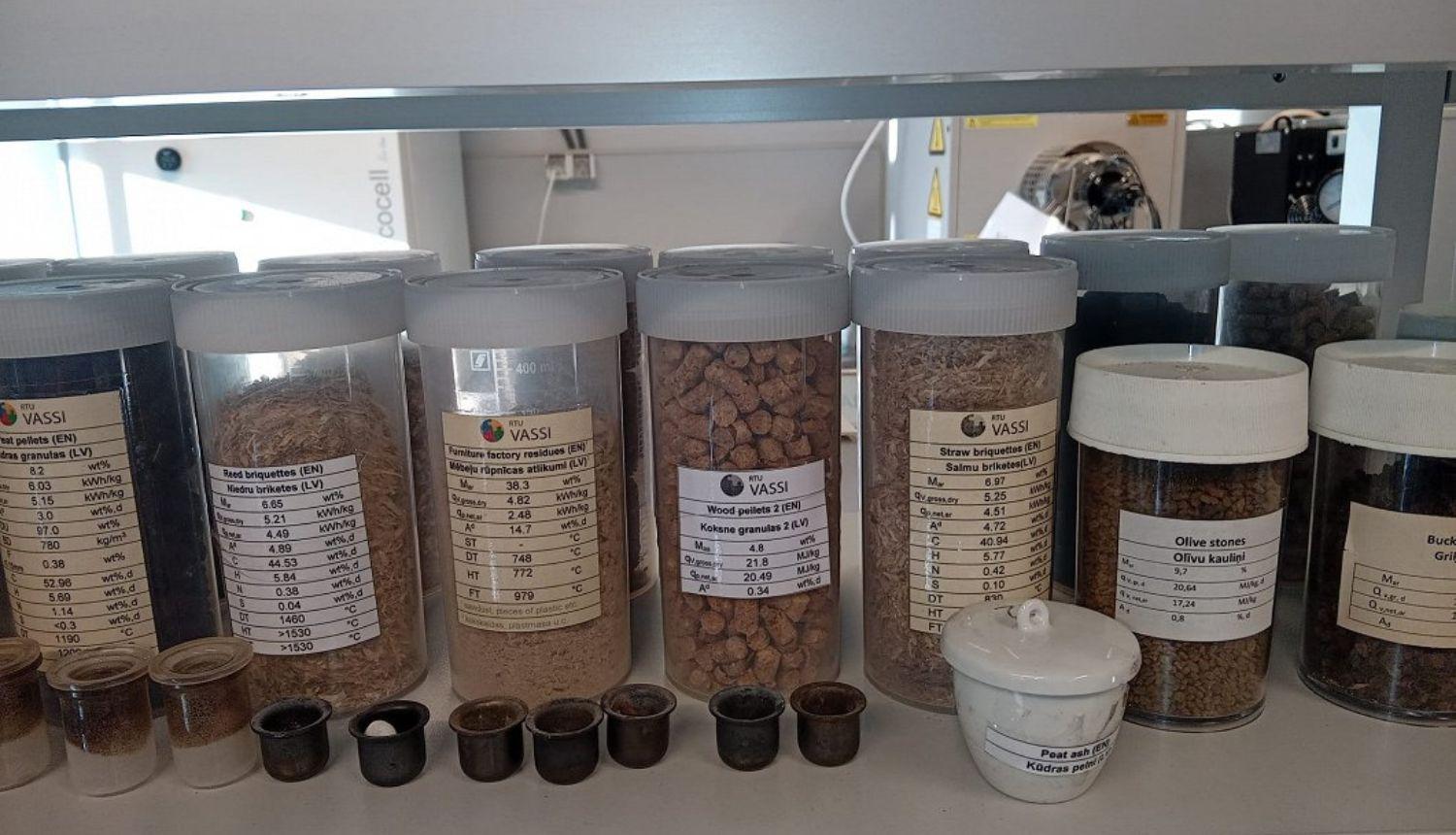
Researchers at Riga Technical University (RTU) are testing heating pellets made from a wide range of plants and plant residues. By the end of the year, they promise to develop a tool that will allow anyone to determine the most economical way to heat their home.
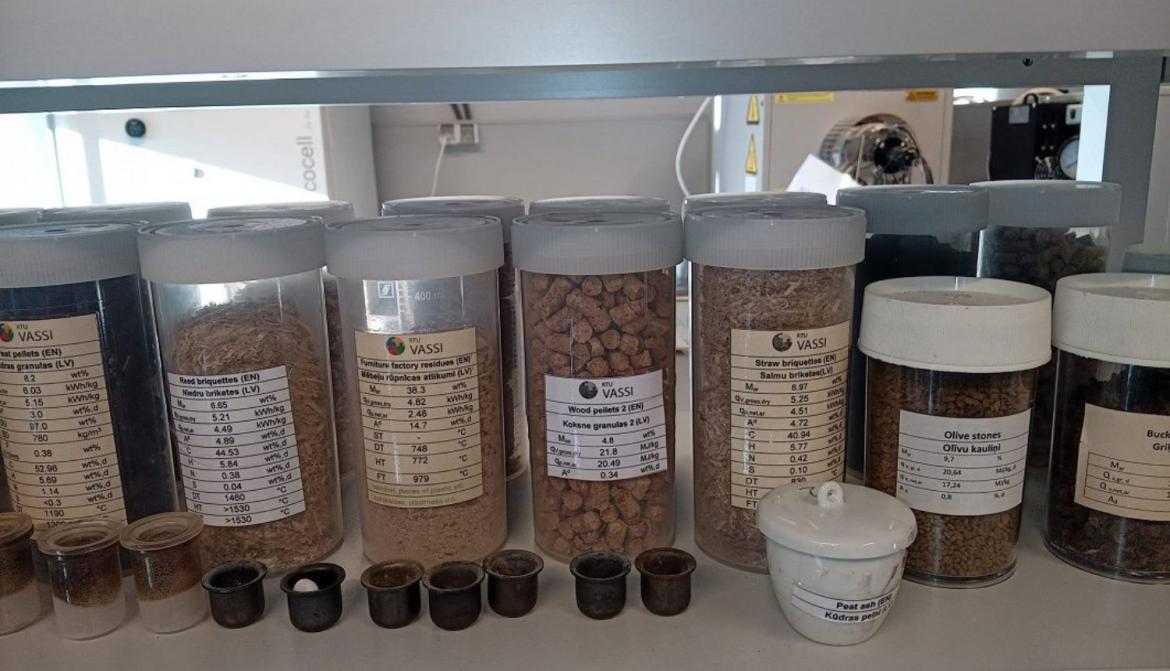
Traditionally, wood pellets are used for heating. However, in 2022, when their price “skyrocketed” to about three times what it is today, RTU researchers launched the Bioenergy Observatory project. It aims to explore what other types of locally available biomass in Latvia could be used for pellet production.
Brewing Waste – Spent Grain – Proves Promising
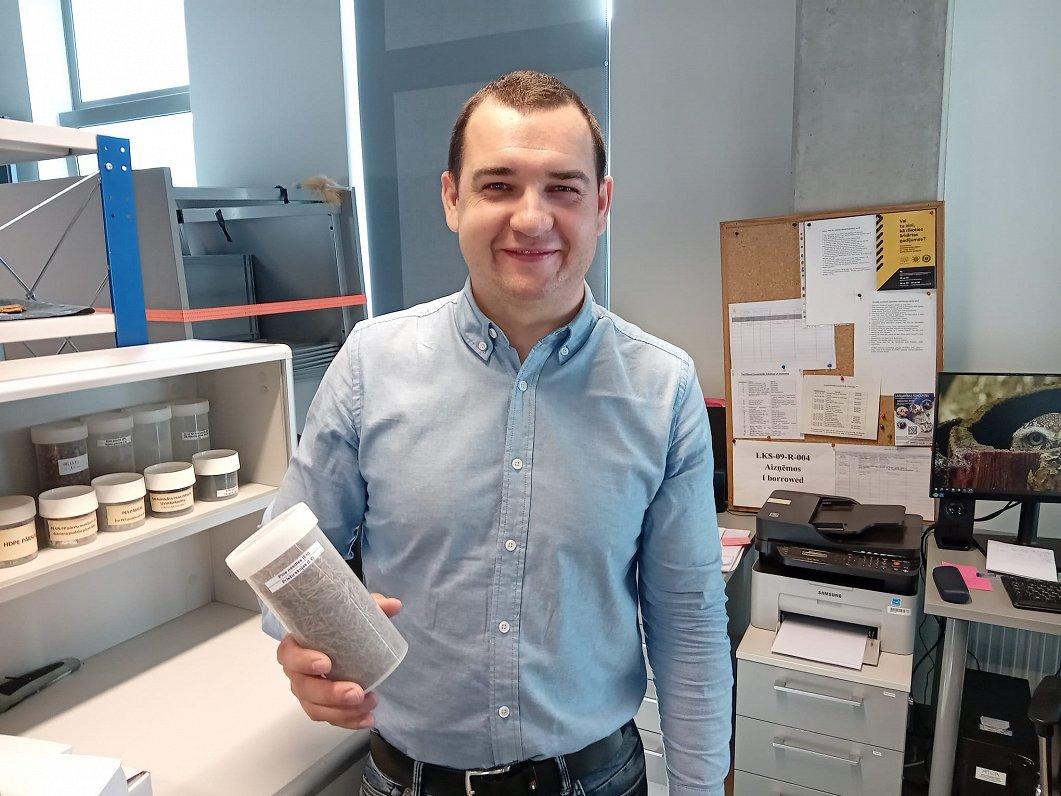
Dr.sc.ing. Vladimirs Kirsanovs, a leading researcher at RTU’s Institute of Environmental Protection and Thermal Systems, explained the importance of finding new fuel sources: "I would like to see a reduction in the use of high-quality wood in combustion equipment, because as bioeconomy trends grow, we should reserve quality timber for products with higher added value."
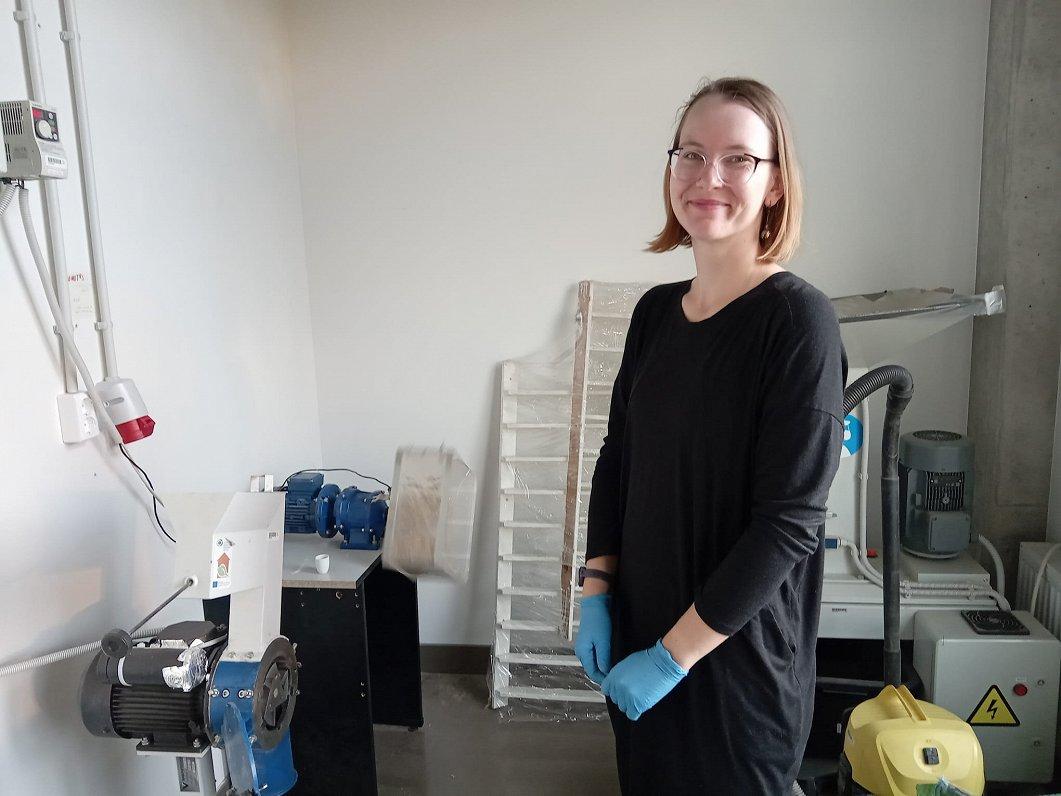
PhD Vivita Priedniece, another leading researcher at the institute, described the testing process:
"We looked at by-products from the food industry, various industrial residues, and even invasive species. We tested small quantities of hogweed, but collecting it is not very easy, so we didn’t study it in detail. One of the most promising materials right now is spent grain, the grain residue left after beer brewing. It’s an advantageous material because pellets can be made from it without adding any binding agents."
Avoiding binding agents is essential not only because production becomes simpler and cheaper, but also because such additives can contaminate heating systems.
The heat output of spent grain pellets is comparable to that of wood.
When asked whether a home heated with such pellets smells like beer, the researcher replied:
"During the drying process, everything smells a bit like a bakery or a brewery due to the grain aroma, but during combustion, you can hardly notice it."
Researchers also view spent grain as promising because breweries often have excess amounts with limited disposal options, and it’s sometimes used as fertiliser or discarded.
Other Promising Materials: Dry Pine Needles; Leaves and Grass Would Be Too Costly
Another potentially useful heating material is dry pine needles, especially those from which extractives have already been removed through steam processing for food supplements.
Hogweed, previously mentioned, is not considered practical because it’s challenging to collect and process.
However, invasive goldenrods could serve well for pellet production if mixed with wood to ensure pellet durability.
Reeds are another good option: they are naturally dry and therefore don’t require drying before pelletising.
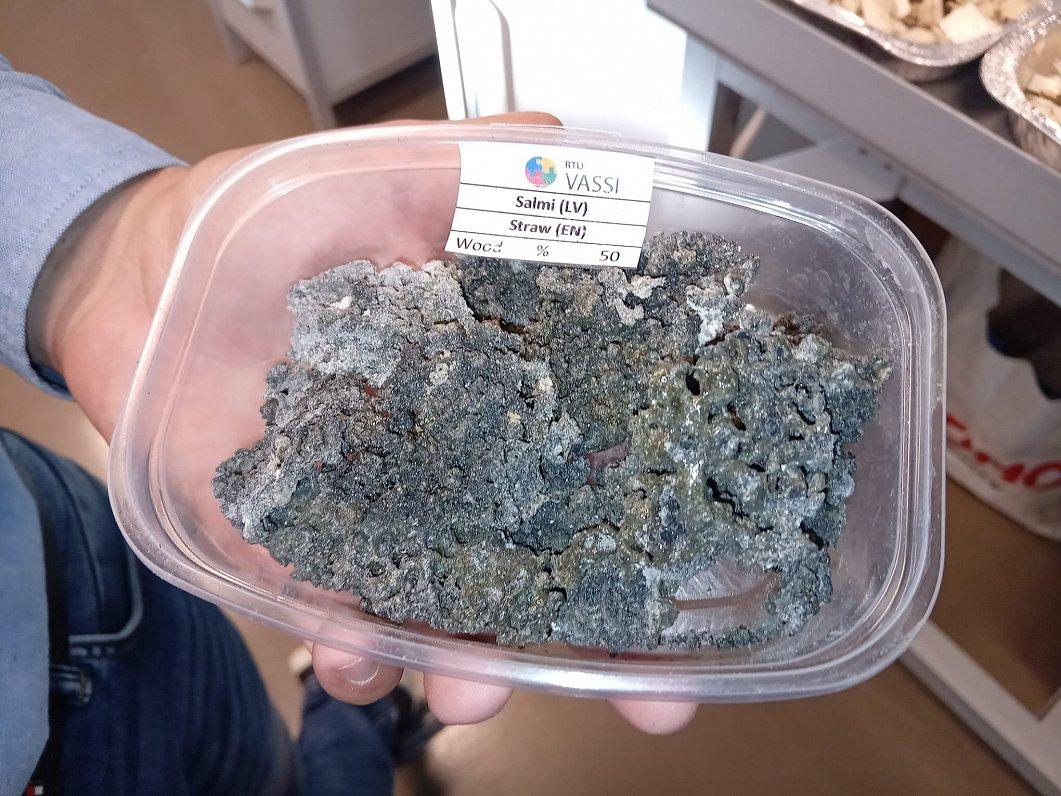
Hogweed, previously mentioned, is not considered practical because it’s challenging to collect and process. However, invasive goldenrods could serve well for pellet production if mixed with wood to ensure pellet durability. Reeds are another good option: they are naturally dry and therefore don’t require drying before pelletising.
Experiments have also been conducted with fallen leaves and mown grass, but researchers concluded that once these materials are dried and ground, their volume decreases drastically. Therefore, enormous quantities would be required, making collection and processing expensive.
Describing the research process, scientists explained that they produce pellets themselves using specialised equipment, then burn them in heating boilers to measure heat output, emission levels, and ash quantity and composition.
"The required calorific value is above 16.5 megajoules per kilogram. Many of the materials we’ve tested actually exceed that, so the potential is there. What needs to be optimised is moisture and ash content, to make them as low as possible and closer to wood. That’s our main goal when testing these raw materials."
A Special Tool to Help Choose the Best Material
Researchers demonstrated various testing devices:
"This one measures the mechanical strength of pellets. Basically, we test how many remain intact after impact. It’s important to know how well pellets can be transported and stored," explained Priedniece.
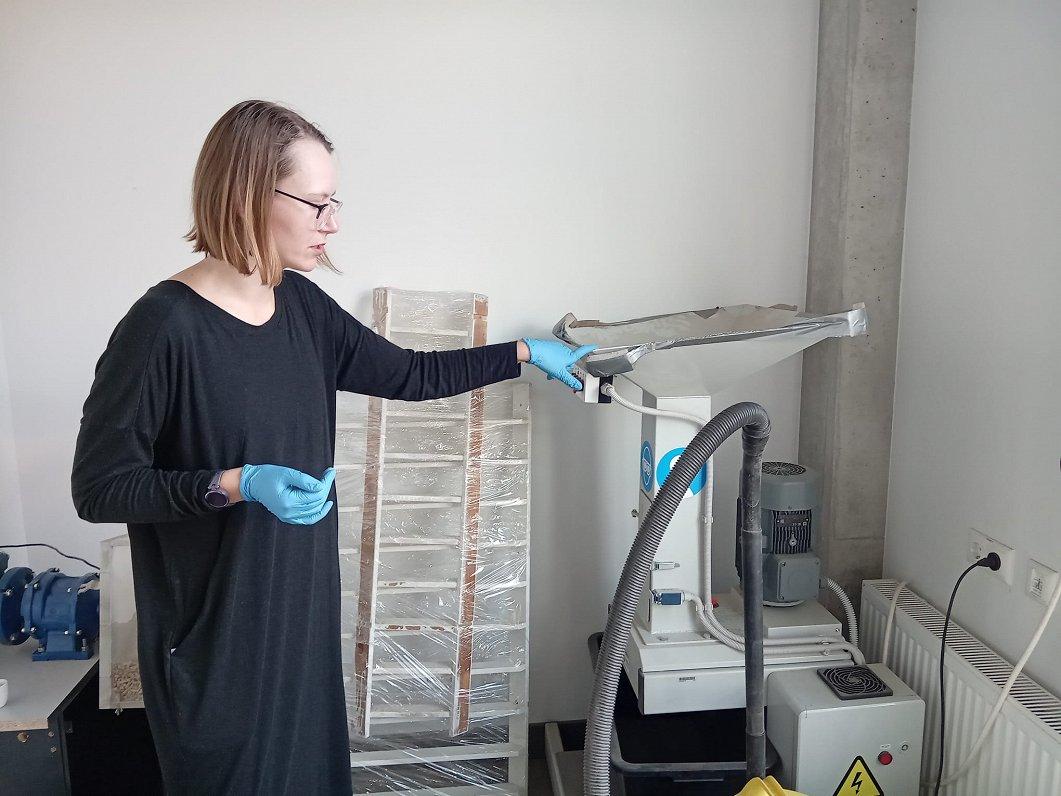
Some households already own small pellet production units, and RTU’s research results can help them choose which materials to use.
By the end of the year, the team plans to release a digital tool that displays the heat output, emissions, and other characteristics of pellets made from various raw materials.
Collaboration with larger pellet producers is also planned.
Finally, researchers emphasise that both pellet producers and consumers should pay attention not only to cost but also to combustion quality. For example, pellets made from straw or sunflower residues are already available and cheaper than wood pellets, but sunflower ash melts and later hardens, making it difficult to remove from boilers.