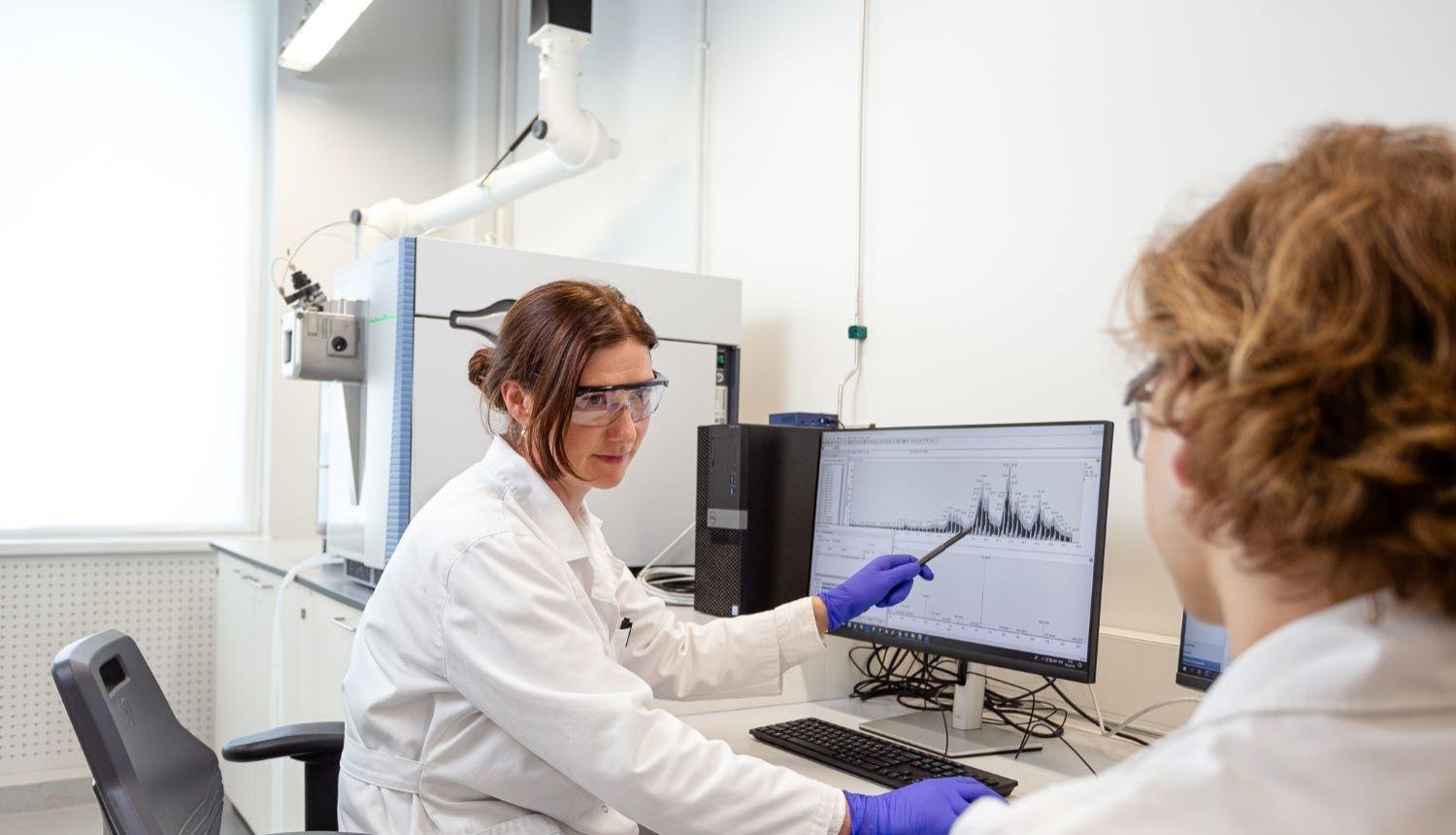
The potential of medicinal plants in modern medicine remains largely unexplored, and this is precisely the field chosen by Santa Niedra, a doctoral student at the Faculty of Pharmacy of Rīga Stradiņš University (RSU). Her scientific interests combine the study of natural bioactive compounds, modern analytical methods, and the development of innovative dosage forms, seeking new and more body-friendly approaches to antibacterial therapy.
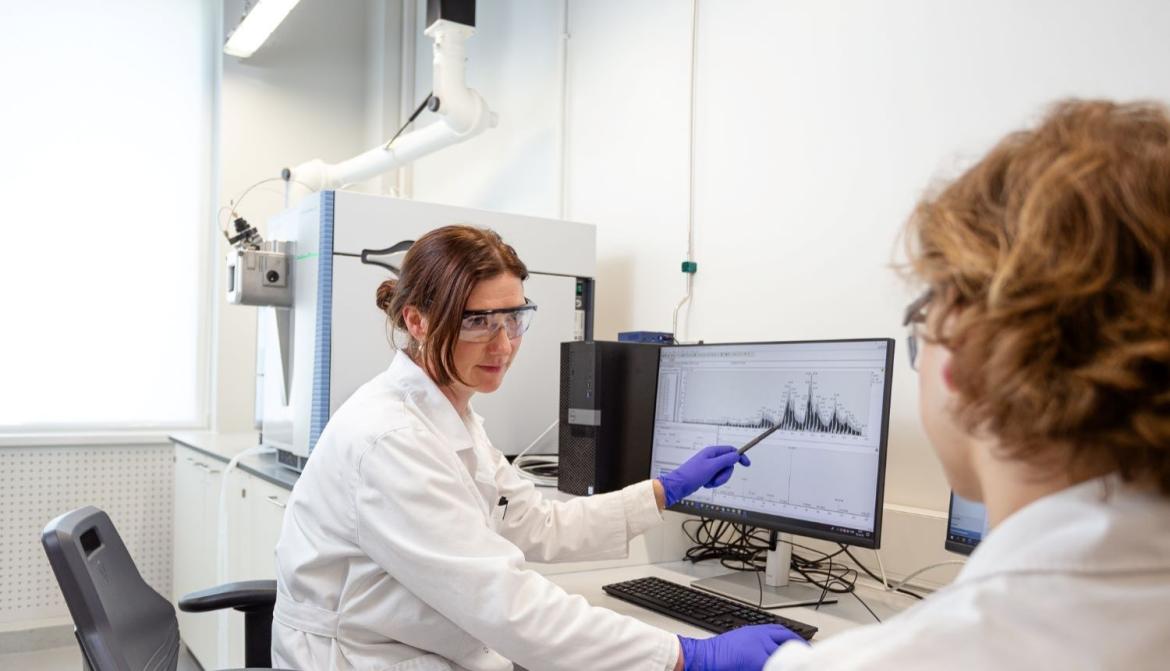
In the interview, Santa Niedra discusses her path to doctoral studies, the concept behind her doctoral thesis, her research and study experiences at RSU, and her future professional plans, as well as advice for those considering pursuing postgraduate studies.
Please tell us about the topic of your doctoral thesis – what are you researching, and why did you choose this topic?
At the moment, the topic of my doctoral thesis is quite broad – Bioactive Natural Products: From Molecular Insights to Therapeutic Innovations in the Development of Antibacterial Preparations. It includes the acquisition of natural bioactive compounds through extraction, as well as physical and chemical analysis of the obtained materials. This is followed by their further formulation into suitable forms, namely, drug delivery systems. I chose this topic because medicinal plants are personally close to me. I try to use them in everyday life to support the body.
The potential of natural substances has not yet been exhausted, and they also hold promise for future medicine. Natural antibacterial compounds have a gentler effect on the body’s microbiome and natural balance, which gives them potential for preventive and long-term use.
What was your path to doctoral studies? What did you study previously?
I completed the Chemical Technology programme at Riga Technical University, obtaining a bachelor’s degree in engineering. I continued my master’s studies at the Faculty of Chemistry of the University of Latvia, specialising in analytical chemistry. I took the opportunity to spend half a year in an exchange programme in an advanced instrumental methods course at Umeå University in Sweden, where I gained very valuable theoretical and practical knowledge by working with various analytical chemistry methods. In 2024, I began working at the Laboratory of Finished Dosage Forms at the Faculty of Pharmacy of RSU, which is fully equipped for conducting modern research.
What are the advantages, benefits, and challenges of studying and conducting research at RSU?
One of the advantages of studying at RSU is the opportunity to work alongside knowledgeable colleagues in pharmacy and medicine, which significantly broadens one’s perspective and opens up opportunities for interdisciplinary collaboration. The benefits include the knowledge and practical skills gained through doctoral study courses, as well as a wide network of scientific contacts.
Among the challenges is finding sufficient time and funding for research.
Do you already have plans for your future professional career after completing your doctorate?
I would be happy to continue working at the Laboratory of Finished Dosage Forms – it is diverse and encourages professional growth. I would also be glad to work with students and pass on my knowledge.
Whom would you recommend to pursue doctoral studies?
Doctoral studies are for those who are interested in delving “deeper” into a particular field, working with scientific literature, and discovering and proving something new.