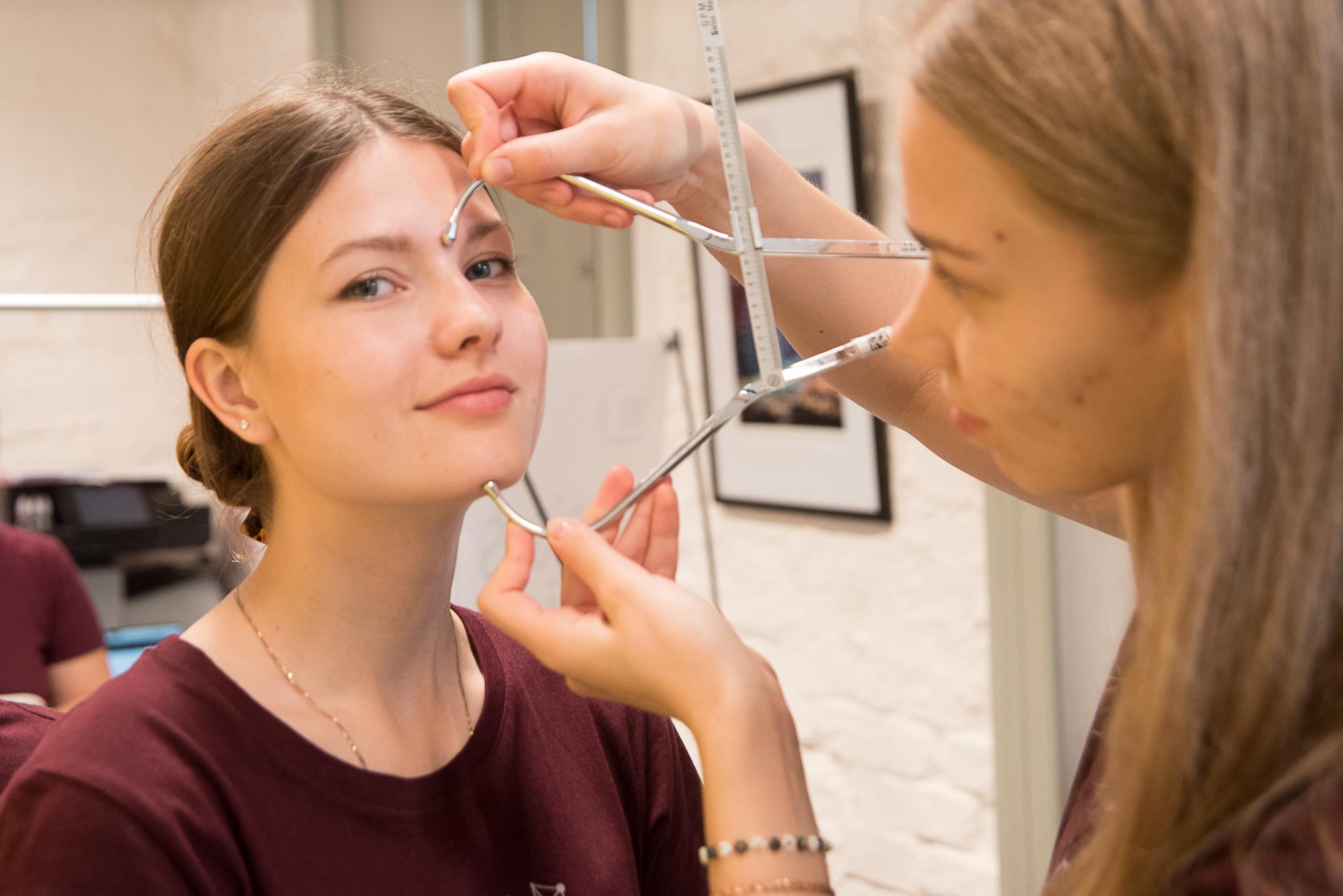
This summer, researchers from Rīga Stradiņš University (RSU) will continue the anthropological research project on the population of Latvia initiated nearly a hundred years ago by Professor Jēkabs Prīmanis. The expeditions will take place in Zemgale and Vidzeme from late June to August, and approximately 2,000 participants are expected to take part.
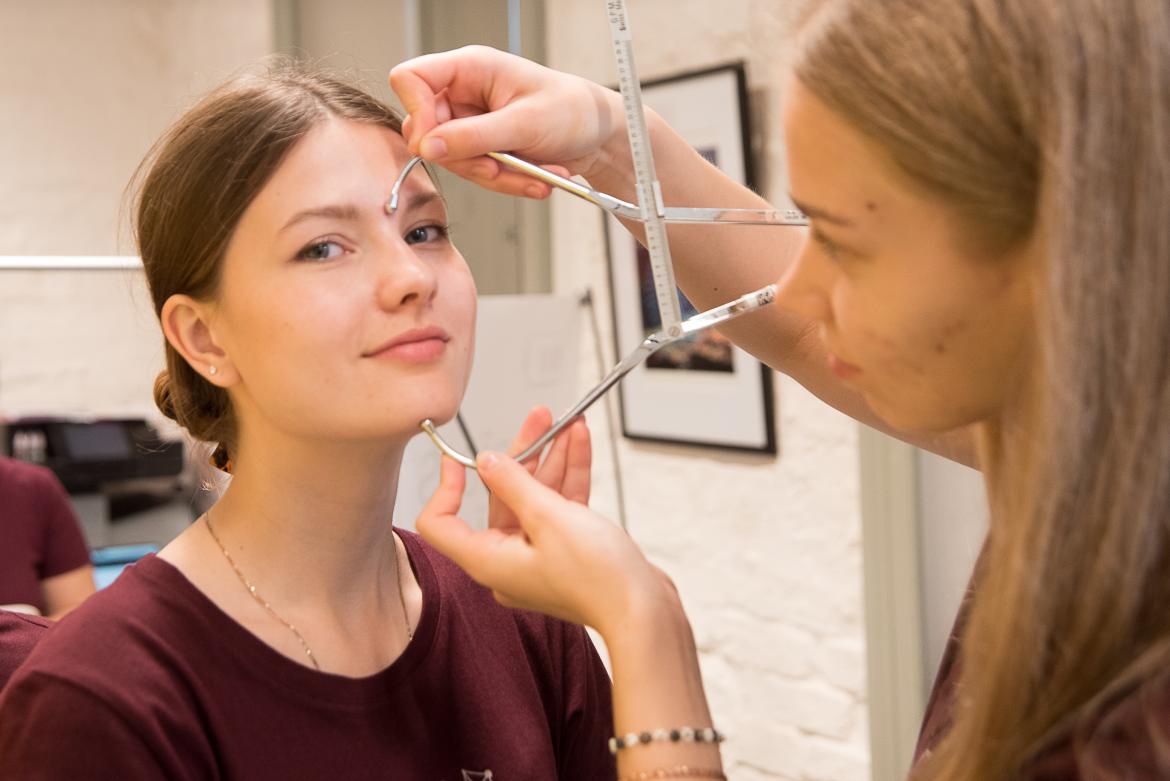
The aim of the study is to document how the anthropometric indicators, body composition and health characteristics of Latvia’s population have changed over nearly a century. This will make it possible to compare contemporary data with historical materials collected in the 1920s and 1930s under the leadership of Professor Jēkabs Prīmanis.
Professor Jēkabs Prīmanis (1892–1971) was one of the founders of anthropology in Latvia. During the expeditions he led, approximately 35,000 residents of Latvia were surveyed, with detailed anthropometric measurements taken, health and demographic data documented, and study participants photographed. Due to the Second World War, some of the collected materials were not fully processed and published, but more than 10,000 questionnaires and photographic negatives have survived to the present day.
Since 2023, RSU researchers have been digitising the historical materials and conducting their scientific analysis, creating a unique opportunity to compare the anthropological data of Latvia’s population over a period of nearly one hundred years for the first time.
“The century-long changes in the population identified through anthropological research serve as a mirror of society’s socioeconomic development. Contemporary studies will also become a valuable basis for comparison for future generations,” emphasises the project leader, RSU Professor Jānis Vētra.
The analysis of historical data conducted so far already indicates that, in the 1930s, the population of Latvia was, on average, shorter than it is today, which was influenced by living conditions, nutrition and access to healthcare.
This summer, the expedition will travel through Zemgale and Vidzeme. RSU researchers will begin their work in Mežotne at the end of June (29–30 June), continue the research in July in Bauska (1–5 July), Dobele (14–16 July), Bērze (17–19 July), Saulkrasti (21–22 July), Salacgrīva (23 July) and Limbaži (24–26 July), while in August the expedition will conclude in Valmiera (5–9 August). At each stop, anyone interested will be invited to take part in the anthropological study free of charge and learn about their body’s anthropometric indicators.
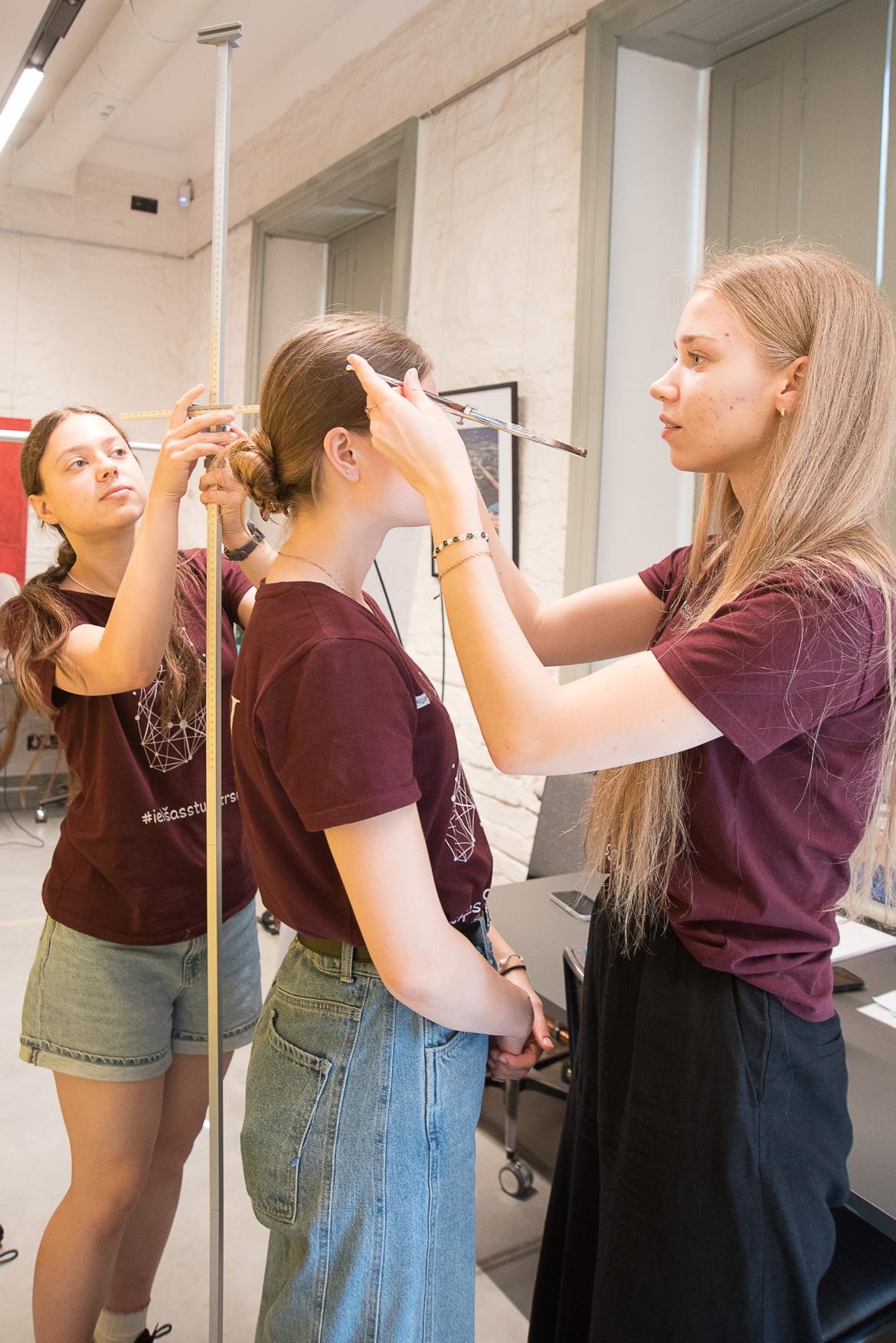
During the study, participants will have their height, weight and body proportions measured, as well as undergo modern 3D body scanning. Adult participants will also have the opportunity to take part in a population genetics study.
All measurements will take place in specially designated areas, ensuring participants’ privacy and discretion. Residents of all ages are invited to participate in the study, while children and young people up to the age of 17 will require the written consent of a parent or guardian.
After the measurements, each participant will be able to view their anthropometric data and, if they choose, also receive a reduced black-and-white image of their 3D body scan in electronic format.
Once the data have been compiled, the study results will be presented in the municipalities where the expeditions took place, as well as published in scientific journals.
RSU researchers invite everyone interested to become part of a unique study that not only documents the anthropological changes in Latvia’s population over nearly a century, but also creates an important scientific foundation for future generations.
For additional information about the study and the measurement process, please contact the project administrator, Arta Grabčika: Arta.Grabcika@rsu.lv or 25442123.