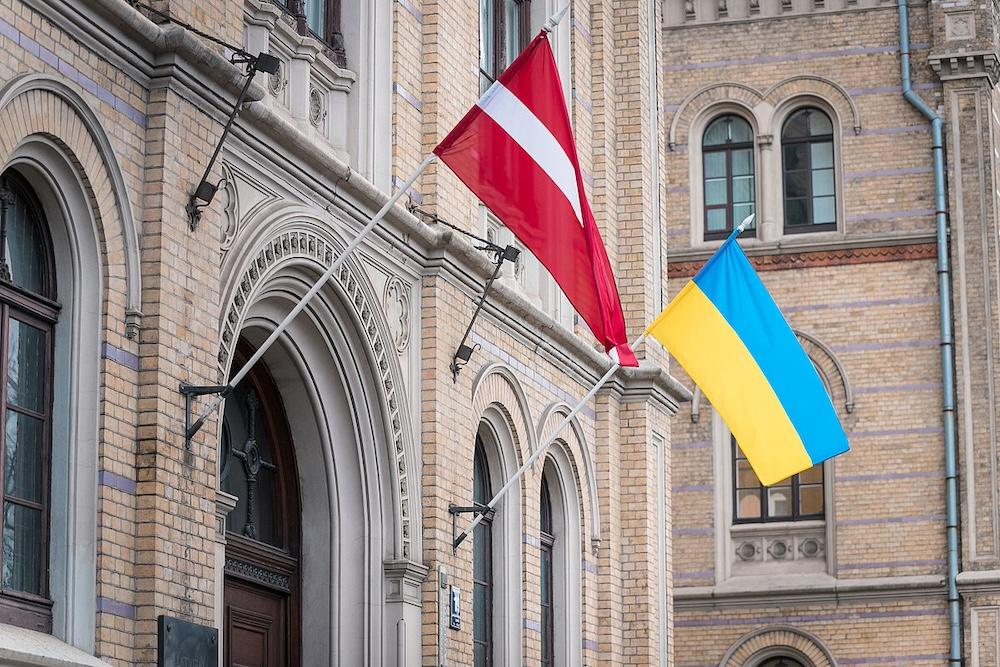
The international project “AI-Enabled Citizen Participation in University-driven Ukrainian Cultural Heritage Safeguarding” (AISTER) aims to enhance the use of artificial intelligence in the field of citizen science, particularly by promoting public participation in the safeguarding of cultural heritage during emergencies. From Latvia, the recently established Centre for Digital Humanities at the Faculty of Humanities of the University of Latvia (UL) and the UL Library are involved in the project.
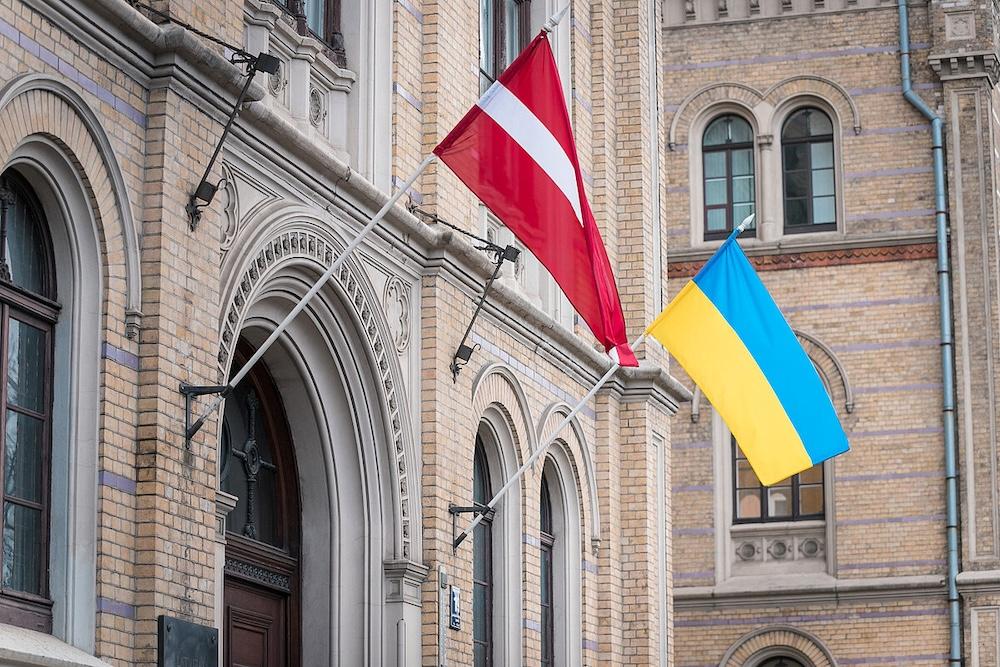
The leading partner of AISTER is the Centre for Contemporary and Digital History (C2DH) at the University of Luxembourg. Project partners include the European digital cultural heritage library "Europeana," Taras Shevchenko National University of Kyiv, and the Greek educational innovation startup "Web2Learn." AISTER has received support from the European Commission's "Erasmus+ KA2" program, with the project expected to conclude in May 2027.
The project aims to foster collaboration between computer science, social sciences, and cultural heritage within the context of higher education, developing and advancing AI tools for solutions beneficial to society and cultural heritage preservation. A key focus is Ukrainian cultural heritage, which has been under threat since the Russian invasion.
"The University of Latvia Library, which holds one of the richest collections of Latvian written heritage, takes this mission very seriously. In these turbulent times, when we witness the deliberate destruction of Ukraine's cultural heritage, it is especially important to strengthen the ability of memory institutions to respond to emergencies. To achieve this, we must understand and promote both the opportunities offered by artificial intelligence and public engagement. We are pleased to explore these crucial issues together with outstanding partners," says Uldis Zariņš, Director of the UL Library.
During the AISTER project, an ethical framework will be developed for AI use in cultural heritage preservation, ensuring a human-centered approach. Additionally, the project will feature several discussions on these topics, AI workshops, and a hackathon titled “AI for 3D Cultural Heritage of Ukraine.”