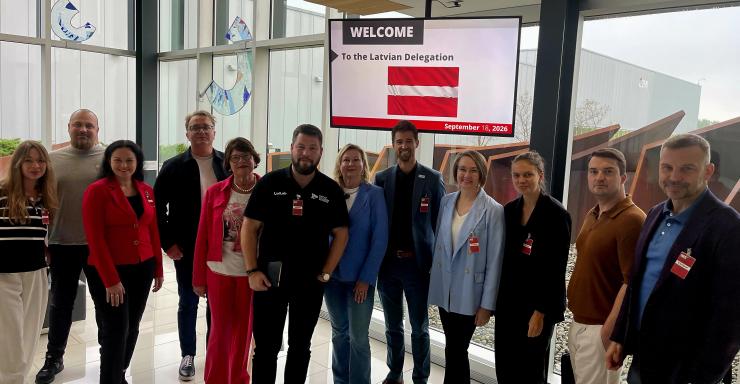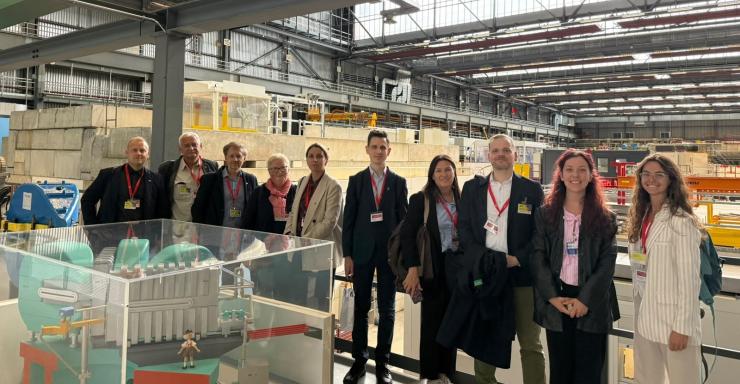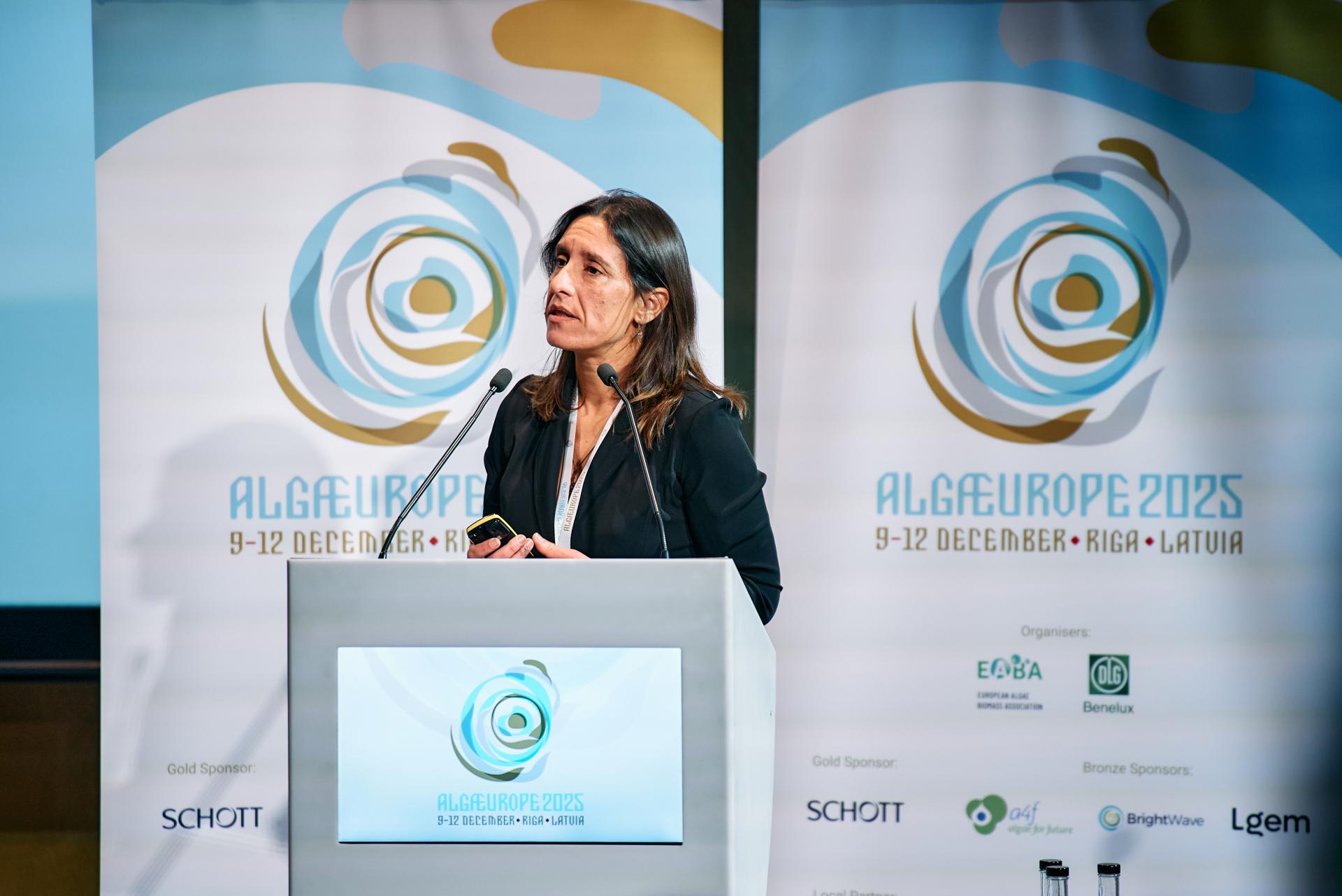
AlgaEurope 2025 is one of the leading international conferences dedicated to algae biomass research and innovation. Held over four days in Riga, Latvia, the conference brought together researchers, entrepreneurs and industry experts from around the world. In total, 382 participants from 38 countries and 236 organisations took part, highlighting the strong international interest in the development of the algae sector. Latvia was represented by delegates from public institutions, higher education institutions and companies.
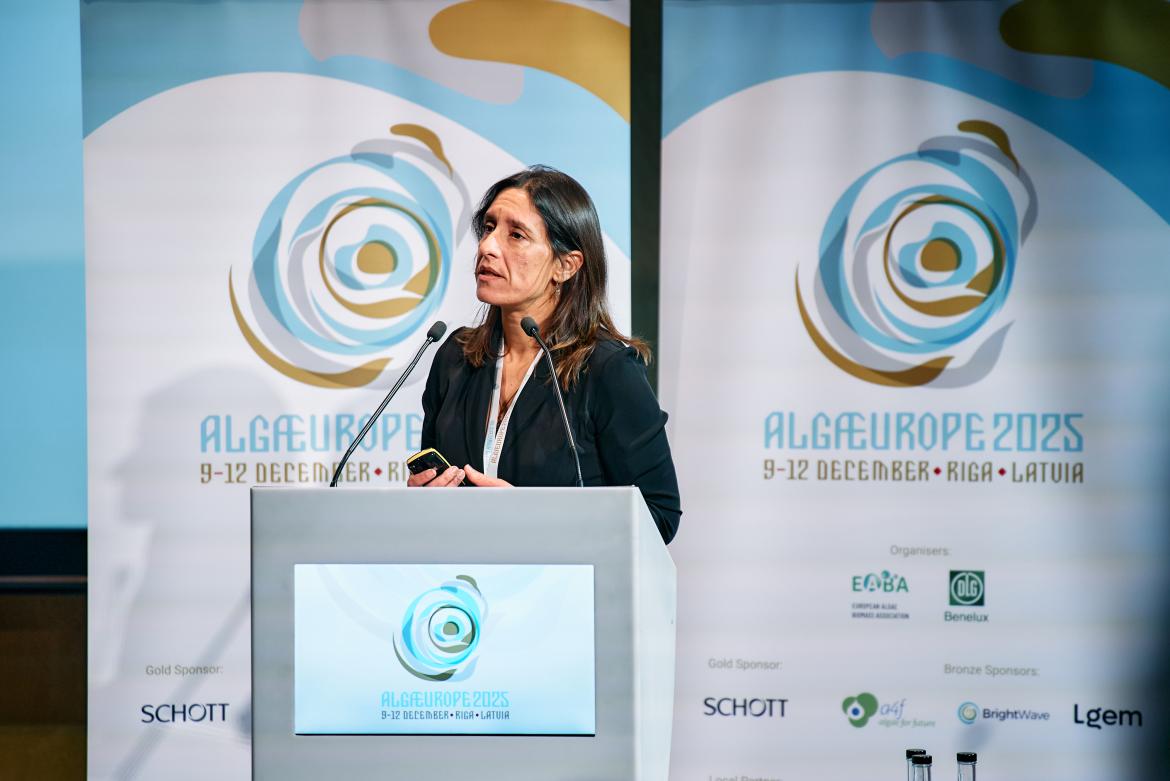
The conference took place from 9 to 12 December and was jointly organised by the European Algae Biomass Association (EABA) and the international conference organiser DLG Benelux, further strengthening AlgaEurope’s reputation as a key meeting point for experts from science, technology and industry.
“AlgaEurope is an important meeting place for the global algae community,” emphasised Carlos Unamunzaga, President of EABA. “Each year, it brings people together and fosters the exchange of ideas, contributing to sector development, innovation and practical impact.”
A Comprehensive Programme and High-Level Expertise
The conference was opened by Tālis Juhna, Rector of Riga Technical University, who highlighted in his opening remarks the interaction between high technologies and algae — ranging from their use in space technologies to their role in mitigating climate change, including carbon capture solutions and sustainable protein sources.
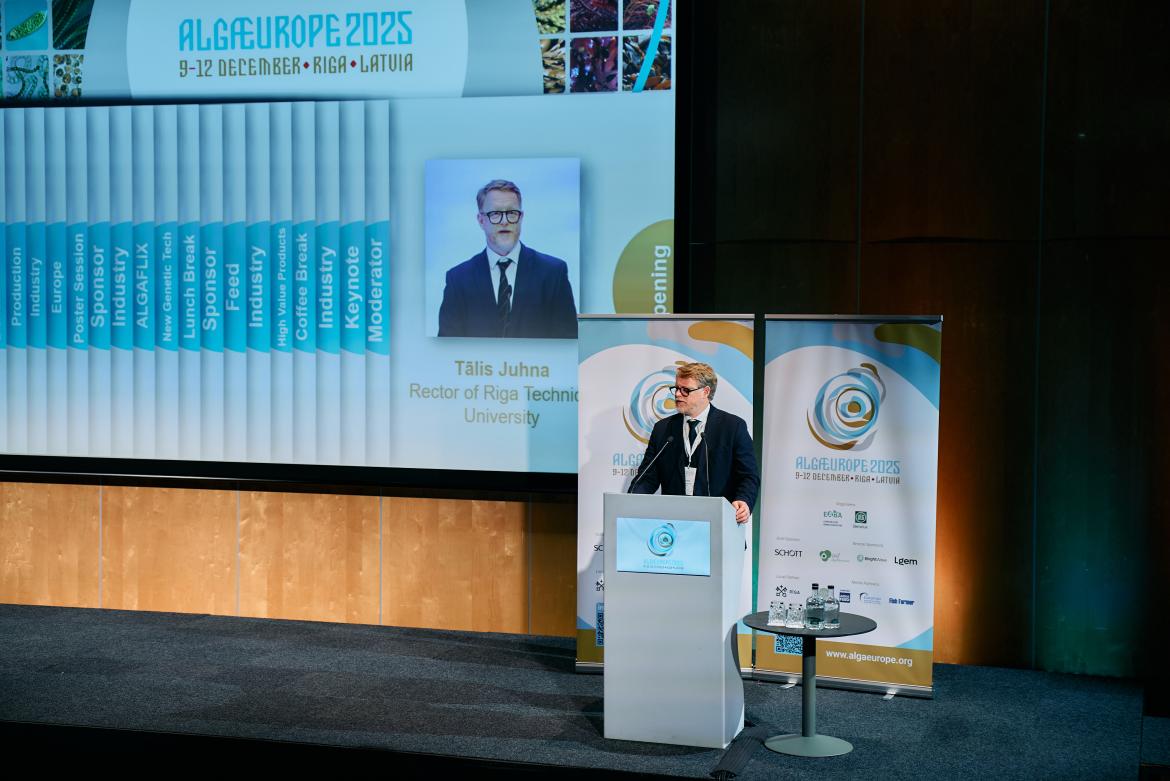
Under the leadership of Adrien Vincent, Conference Programme Chair, AlgaEurope 2025 offered a diverse programme comprising 24 plenary sessions, 107 speakers and 116 poster presentations. The Latvian delegation included 12 representatives from local companies and educational institutions, as well as members of the scientific diaspora from Germany and Belgium. Keynote speakers, including Helena Abreu, Avigad Vonshak, Poul Erik Jensen and Leonel Pereira, provided strategic insights into the future of algae research and applications.
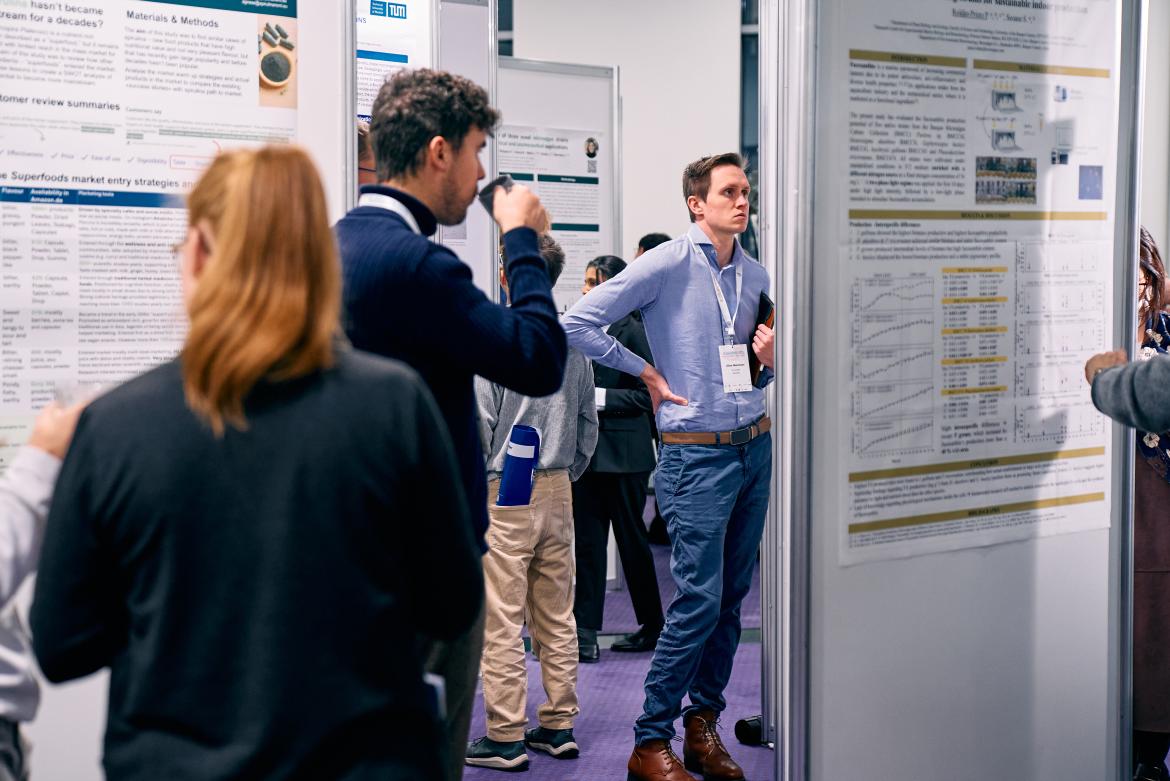
Conference sessions addressed a wide range of topics, including algae physiology, biorefinery concepts, food and feed innovation, genetic technologies, production systems and bioremediation. Poster sessions, in turn, encouraged active discussion and in-depth scientific exchange among participants.
Connecting Science, Technology and Industry
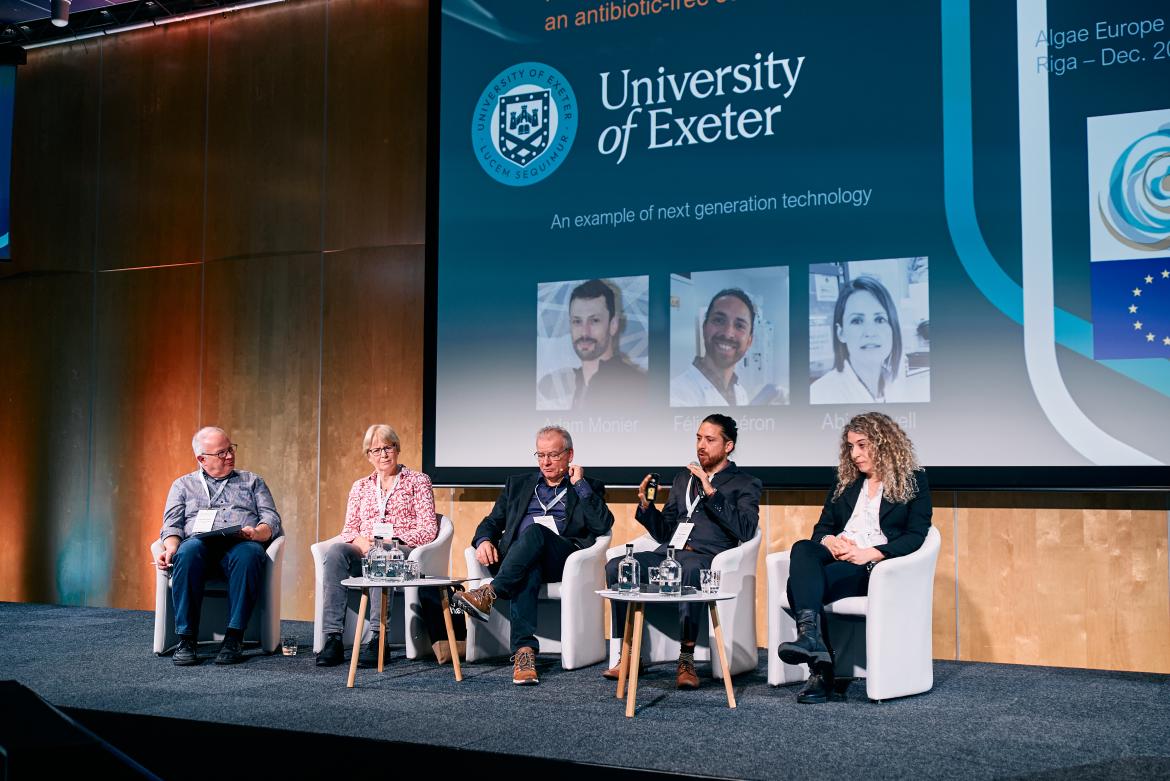
AlgaEurope 2025 once again demonstrated its role as a platform connecting research with practical industrial development. Key highlights included:
- thematic presentations, round tables and panel discussions;
- a picture contest organised for the first time, showcasing the diversity, aesthetics and ecological importance of algae;
- an exhibition featuring solutions and technologies from 20 organisations;
- site visits to an industrial company, offering hands-on insights into innovative algae production technologies.
“AlgaEurope is where ideas turn into action,” said Kuno Jacobs, Managing Director of DLG Benelux. “We are proud to co-organise an event that brings researchers and industry closer together.”
The conference was supported by the sponsors SCHOTT, A4F, BrightWave, LGEM and RIGA LIVE.
Networking, Community Building and Cultural Programme
Alongside the scientific programme, participants also enjoyed a range of networking activities:
- the Algae Happy Hour, featuring tastings of algae-based products;
- a festive conference dinner introducing Latvian cuisine and folklore;
- the AlgaEurope mobile app, which facilitated networking and communication among participants;
- the Awards Evening, recognising excellence through awards for best poster presentations, lifetime achievement, impact and action, and youth and outreach initiatives.
The organisers announced that the next AlgaEurope conference will take place in Valletta, Malta, from 8 to 11 December 2026. Building on the success of the Riga edition, AlgaEurope 2026 will continue to promote international collaboration and innovation.
--
About EABA
The European Algae Biomass Association (EABA) aims to promote cooperation and knowledge exchange in the field of algae biomass production and utilisation, including biofuels and other sustainable applications. The association works to strengthen collaboration among its members, represent their interests at European and international levels, and foster dialogue between scientists, industry and decision-makers. EABA acts as a catalyst for the development of research, technologies and industrial capacities in the algae sector.