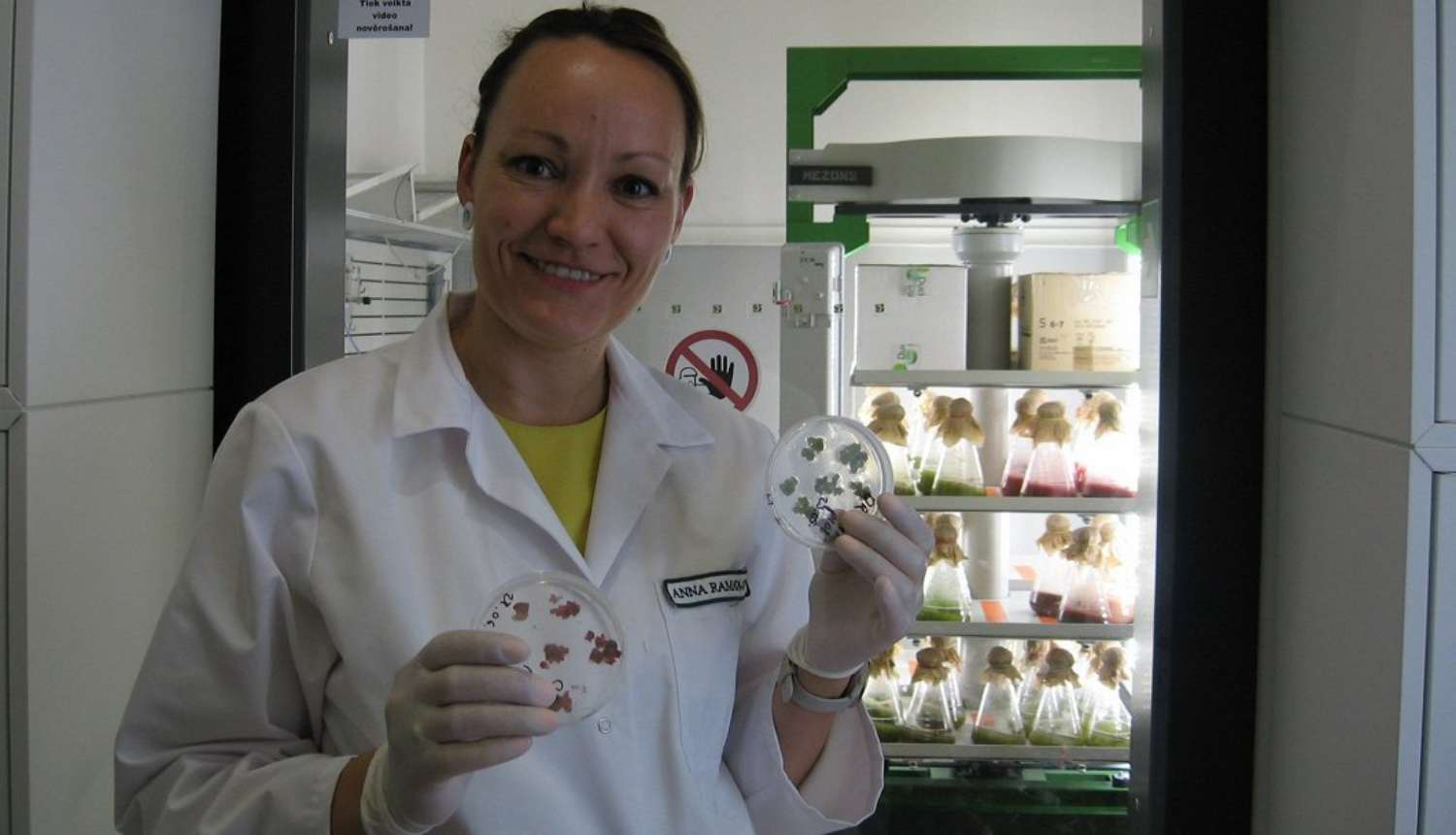
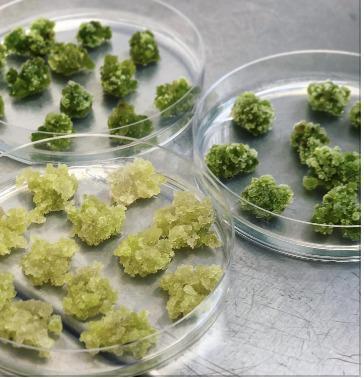
The Latvian biotechnology enterprise Alternative Plants, established eight years ago, specialises in cultivating innovative plant cell cultures as raw materials for the cosmetics industry. Within its laboratory infrastructure, which includes bioreactors, flasks, and cultivation plates, the company propagates cell cultures from Juniperus communis (juniper), Dracocephalum (dragonhead), and Cydonia oblonga (quince). These biologically active materials are utilised in product development by both domestic and international cosmetics manufacturers.
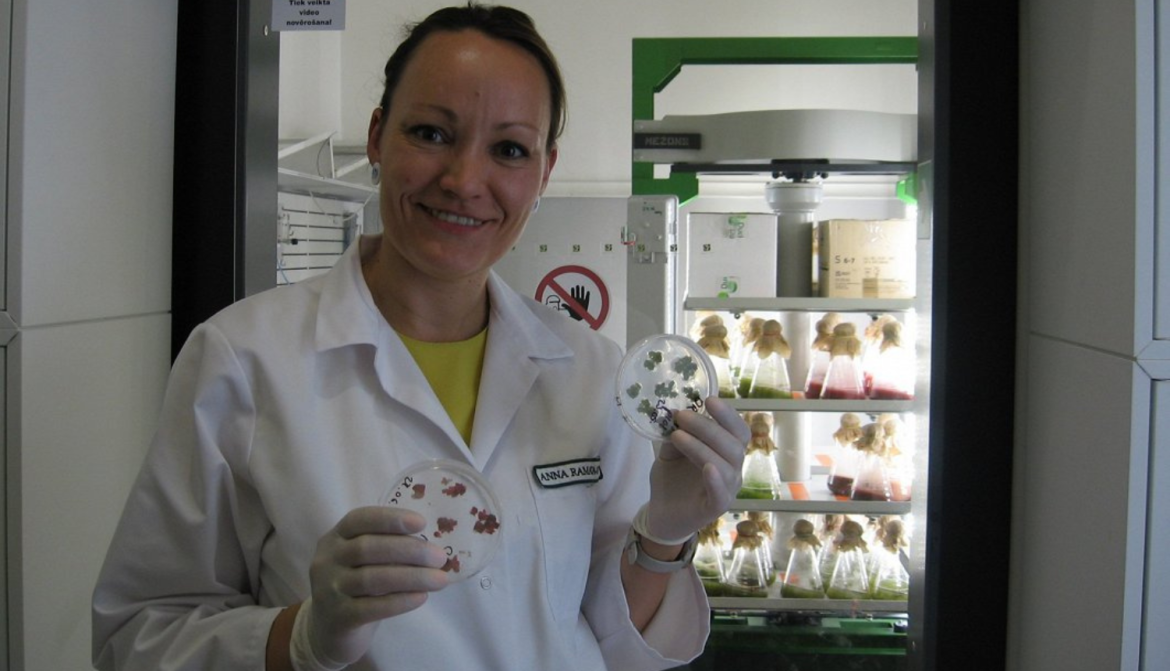
According to co-founder and Chief Executive Officer Dr. Anna Ramata-Stunda, Alternative Plants positions itself as a "cell farming" enterprise, deviating from traditional agricultural paradigms. Through the modulation of culture conditions, the company enhances the biosynthesis of targeted secondary metabolites, thereby increasing the yield of compounds of interest. This approach represents a sustainable alternative to conventional harvesting, enabling reduced dependency on natural ecosystems and more efficient material utilisation.
Each plant species under cultivation is selected for its potential to biosynthesise specific bioactive compounds. For instance, juniper cell cultures have been optimised to produce anti-inflammatory agents, while quince cell cultures, characterised by their vivid pink hue, are employed for the production of anthocyanins — compounds known for their photoprotective properties against ultraviolet (UV) radiation. Notably, these metabolites are naturally present in quince flowers only during a brief blooming phase. Traditional harvesting would compromise fruit yields, which are critical for the food industry. Hence, in vitro cultivation enables the controlled production of target compounds without disrupting ecological balance or agricultural outputs.
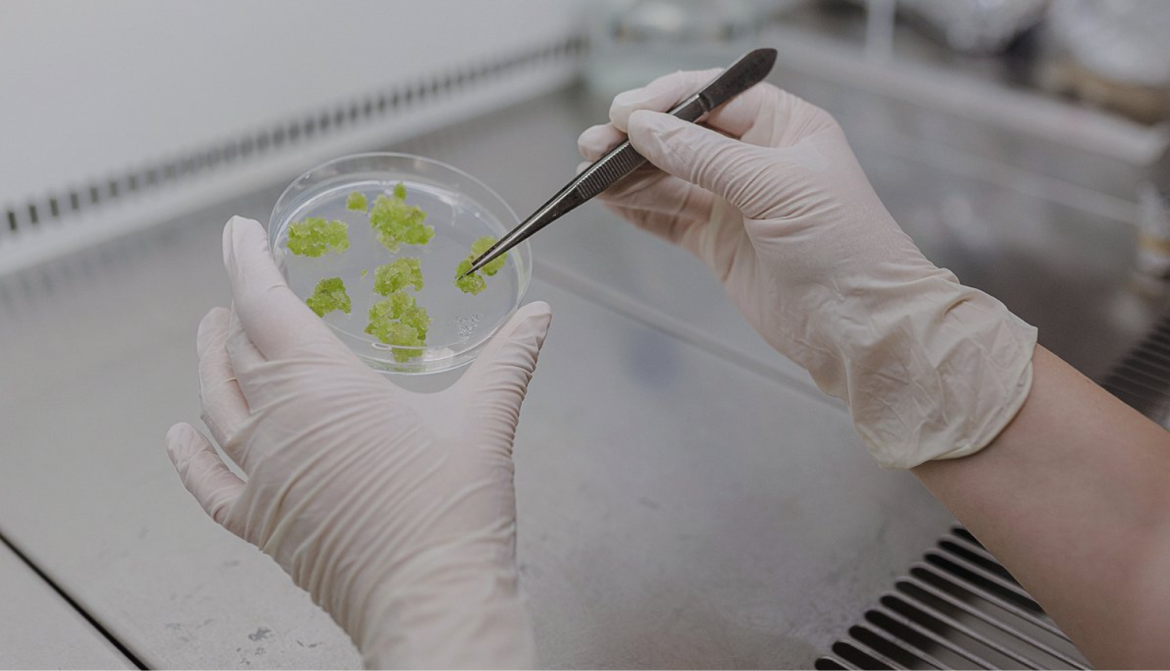
The laboratory also houses advanced extraction technologies that enable the derivation of high-value extracts from the cultivated cell biomass. These extracts are further processed and tested in various solvents to assess functionality and improve formulation efficiency. Research and development efforts focus on optimising extract properties and expanding the portfolio of bioactive ingredients with demonstrated efficacy.
The company addresses the growing industry demand for natural compounds with specific dermatological benefits, including anti-inflammatory, anti-rosacea, and UV-protective effects. In addition to domestic partnerships, Alternative Plants collaborates with manufacturers across the Baltic region and broader international markets, including Poland, Italy, Scandinavia, Germany, the United States, and Canada.
To date, the company has attracted €650,000 in private investment and secured an additional €700,000 through participation in five European Union-funded research and innovation projects. One such project, currently in its final phase, involves collaboration among 17 academic and industrial institutions. These partnerships have played a pivotal role in validating the safety and efficacy of the raw materials developed.
A notable research direction includes collaboration with the energy company Virši, whereby spent coffee grounds are upcycled into a biorefined ingredient for cosmetic applications. Utilising supplementary physical processing techniques, the company successfully isolates bioactive compounds such as caffeine and other phenolics. Preliminary research has demonstrated positive effects on skin microcirculation, and further results are anticipated in the coming autumn.
As of the latest reporting period, the company employs a team of eight professionals. Despite a modest turnover of €31,000 in the previous fiscal year, attributable to the company’s early-stage development status, Alternative Plants continues to scale its operations and research output, contributing to the advancement of sustainable biotechnological solutions in the cosmetics sector.