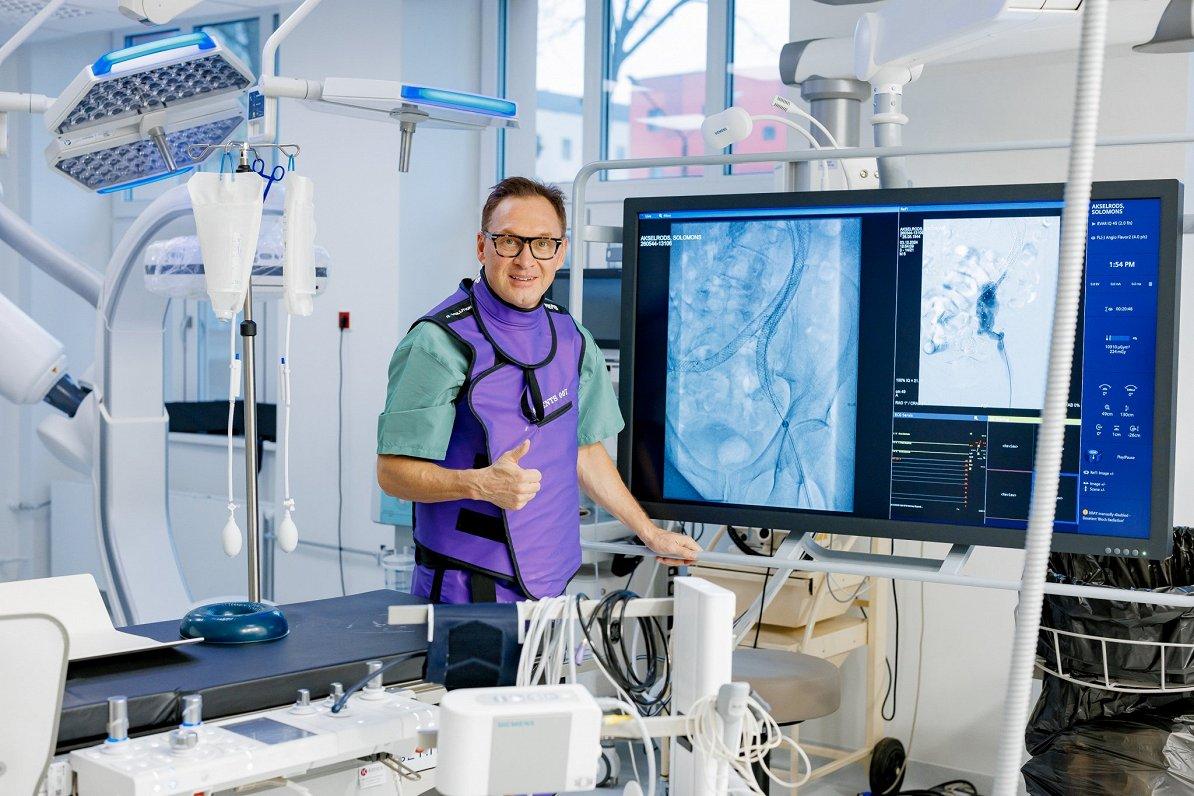
At Pauls Stradiņš Clinical University Hospital, within the pilot project “FFRct diagnostic method for patients after peripheral vascular revascularization”, it has been possible to detect clinically significant coronary artery disease in a timely manner even in patients without pronounced symptoms of heart disease, the hospital reported.
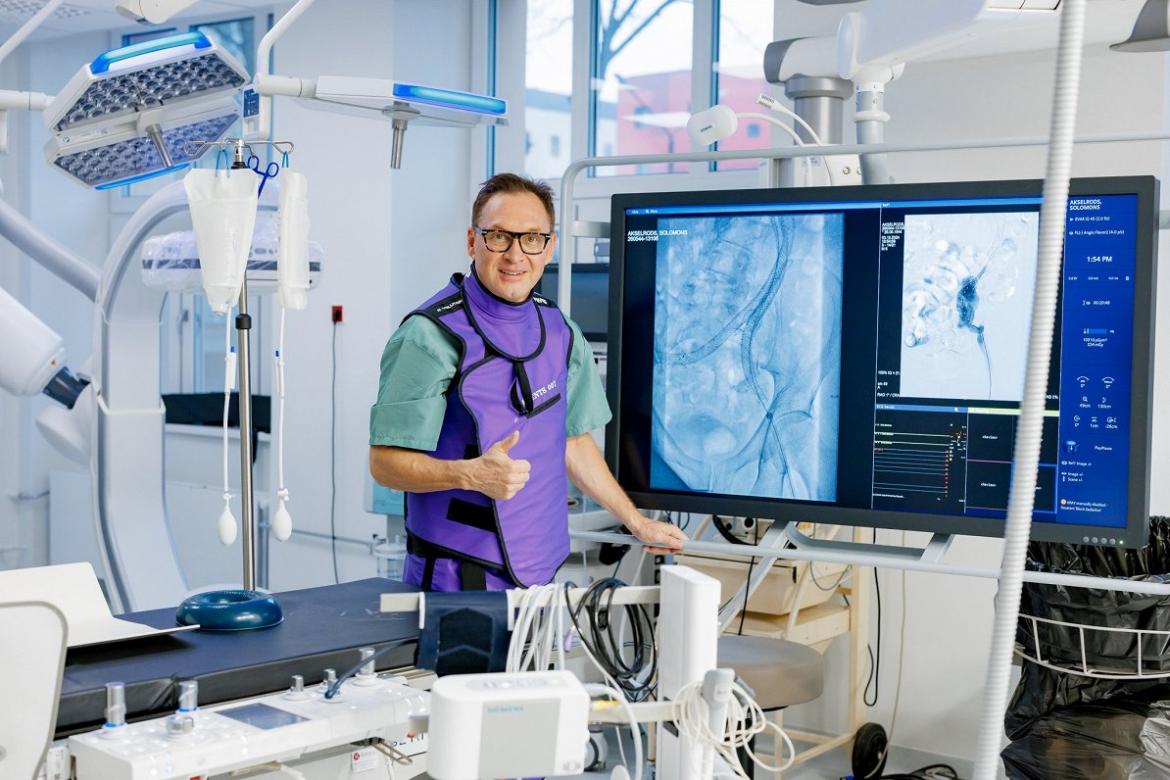
During the project, nearly 300 patients with high cardiovascular risk underwent an in‑depth assessment of cardiac blood vessels: 166 patients underwent coronary computed tomography angiography, in 141 cases FFRct analysis was applied, while 84 patients underwent invasive coronary angiography to уточнить further treatment strategy, thereby reducing and preventing the risk of myocardial infarction.
The hospital explained that FFRct, or fractional flow reserve computed tomography analysis, is a non‑invasive method for diagnosing heart vessels which, using data from coronary computed tomography angiography, allows the assessment not only of the anatomy of coronary arteries, but also of the extent to which vessel narrowing affects blood flow to the heart muscle.
Using specialised computational analysis, a detailed three‑dimensional model of the heart’s blood vessels is created, which helps doctors determine whether the patient requires only optimal medical therapy, invasive coronary angiography, or coronary revascularisation.
Within the pilot project, a structured patient pathway was established — from peripheral or carotid artery revascularisation to the assessment of coronary pathology, FFRct analysis, and the decision on further treatment strategy.
The patient outcomes were assessed by a multidisciplinary team of cardiovascular specialists, which included cardiologists, interventional cardiologists, cardiac surgeons, vascular surgeons, cardiac anesthesiologists, radiologists, attending physicians, family doctors, nurses, and data coordinators.
The hospital emphasized that such an approach made it possible to reduce fragmentation of care and ensure a treatment plan tailored individually to the patient.
Dainis Krieviņš, Director of the Scientific Institute of Stradiņš Hospital, vascular surgeon and Professor at the University of Latvia, encourages including this service in the basket of state‑funded healthcare services.
“For some patients after peripheral or carotid artery revascularisation, clinically significant coronary artery disease may progress without typical symptoms; therefore, its detection is often delayed until an acute event — myocardial infarction, emergency hospitalisation, or other life‑threatening complications,” explained Krieviņš.
As a result of the pilot project, significant coronary artery narrowings were identified in some patients, requiring further invasive diagnostics and treatment, including coronary revascularisation.
“This approach makes it possible to assess patients in a targeted and non‑invasive way, to timely identify those who require more active treatment, and at the same time to avoid unnecessary invasive procedures for patients in whom significant coronary ischemia is not detected. Therefore, FFRct is an important tool for personalised and effective care of cardiovascular diseases, which in the long term can reduce the risk of severe cardiovascular events, repeated hospitalisations, and mortality,” said Krieviņš.
During the pilot project, patient experience with FFRct procedures was also evaluated. Survey data show that patients assessed the treatment outcomes very positively: 92% of patients rated their overall experience as very good or good, 91% received a fully or partially clear plan for further action after the examination, and 89% indicated that the results of the examination helped them better understand their health condition.