Riga Technical University Participates in Global Robotics and Unmanned Technology Project

Author
Riga Technical University

July 23, 2025

research innovation

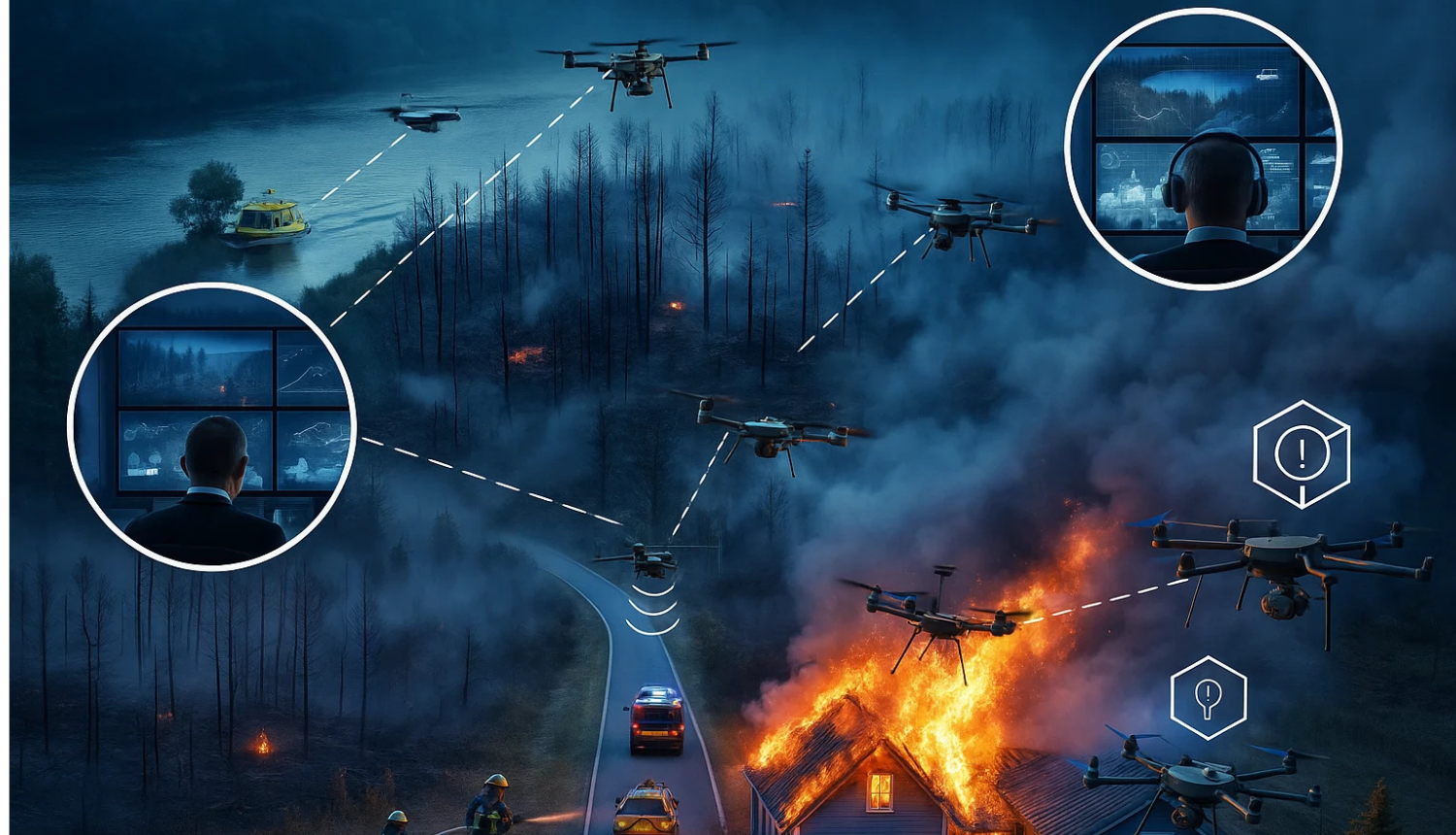
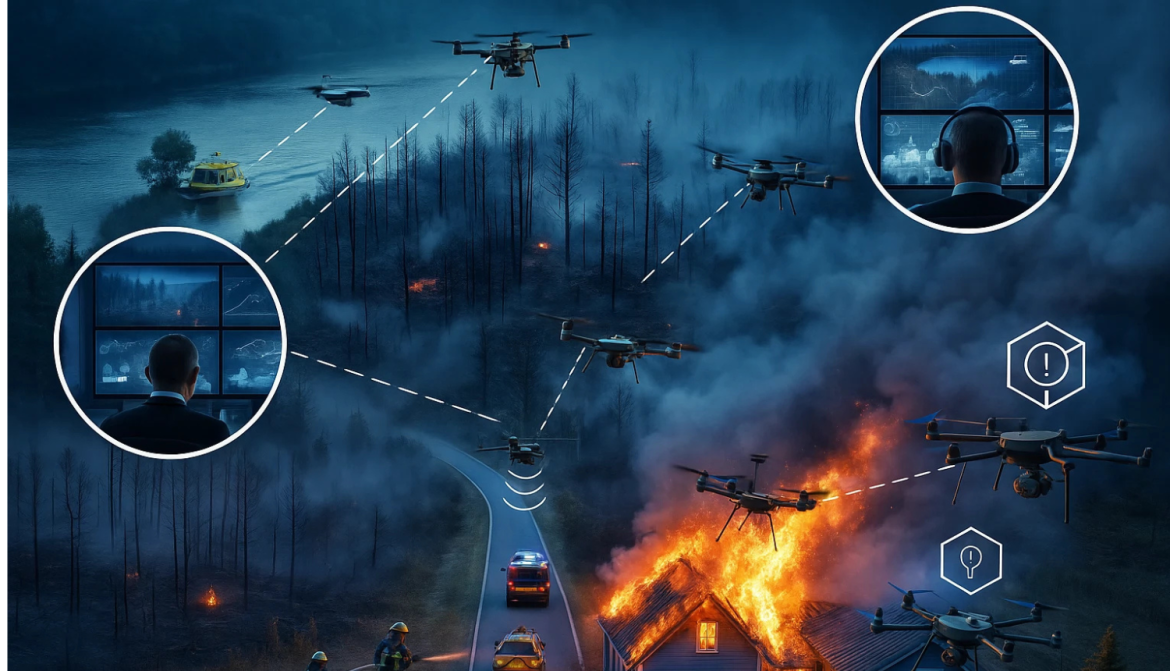
Riga Technical University (RTU) is participating in an international project to develop advanced unmanned vehicle (UxV) technologies for civil security, critical infrastructure protection, and emergency response. RTU researchers are contributing to the project by developing a unique navigation solution based on radar data, which will allow unmanned aerial vehicles to navigate autonomously in complex environments such as forests or urban areas.
RTU projekts_droni.png
RTU publicity image

The project, titled "PROACTIF", brings together 42 partners from 13 European countries, with a total budget of nearly €42 million. It aims to develop nine innovative technologies and five unmanned platforms, integrating various types of sensors and artificial intelligence to enable fast and safe responses to emergencies such as forest fires, search and rescue operations, and critical infrastructure monitoring. The use of UxV technologies will provide a comprehensive understanding of the location and severity of incidents, along with in-depth situational analysis through frequent and efficient sensor data collection.

"A project of this scale offers RTU researchers the opportunity to collaborate with leading European research institutes and companies, strengthening the university’s scientific capacity and advancing Latvia’s involvement in the development of key European security technologies," says the project’s scientific lead, Artūrs Ivanovs, a researcher at the RTU Institute of Applied Computer Systems.

The project’s goal is to address critical challenges in security and sustainability, delivering tangible benefits to society while also strengthening Europe’s technological resilience and leadership in electronic communications, robotics, and drone autonomy. The "PROACTIF" project is co-funded by the European Union, with "Nokia" as the leading partner.
Recommended articles

research

Saving humanity by combing bees – LVMI “Silava” scientists explain how they study pollinator diversity

Environmental engineer Santa Ieviņa from the Latvian State Forest Research Institute "Silava" (LSFRI "Silava") has prepared a popular science article within the framework of the Latvian Council of Science-supported project Forest roads as multifunctional ecosystems: biodiversity, ecosyste…

Latvian State Forest Research Institute "Silava"

March 18, 2026

research science communication

How Researcher Velga Polinska Is Changing Attitudes Toward Easy Language

"Easy language is not an alternative to literature – it works like glasses for those with poor eyesight," emphasises University of Latvia (UL) researcher Velga Polinska, who in November represented Latvia in an international science communication competition in France, presenting her research on ea…

Ieva Lazdiņa |Editor of the University of Latvia publication "Alma Mater"

March 17, 2026

research space international collaboration

University of Latvia launches the European Commission’s Copernicus Atmosphere Monitoring Service National Collaboration Programme in Latvia

At the Faculty of Science and Technology (FST) of the University of Latvia (UL), the implementation of the European Centre for Medium-Range Weather Forecasts (ECMWF) Copernicus Atmosphere Monitoring Service National Collaboration Programme (CAMS NCP) in Latvia has been launched. This initiative is …

Faculty of Science and Technology

March 17, 2026

innovation

Latvia Among World Leaders in Deep Tech Innovation: 7th on the Hello Tomorrow Radar

Latvia is increasingly asserting its place in the global science-based innovation landscape. International deep technology platforms Hello Tomorrow published in 2026 Global Deep Tech Pioneers Radar The report ranks Latvia 7th in the world for the number of deep tech start-ups per capita. This resul…

Renāte Franke | BioPhoT

March 16, 2026