A New Principle in Electrocatalysis that Could Elevate Clean-energy Devices to the Next Level

Author
Faculty of Medicine and Life Sciences, University of Latvia

November 21, 2025

achievements

Scientists from Latvia, together with European partners, have developed the most comprehensive theoretical framework for electrocatalysis to date. It may serve as a foundation for next-generation fuel cells, electrolysers, and other clean-energy technologies. The study, published in Chemical Society Reviews, marks a significant step forward in understanding electrochemical processes. Among its authors is Associate Tenure Professor Dr. chem. Vladislav Ivaništšev from the University of Latvia's Faculty of Medicine and Life Sciences.
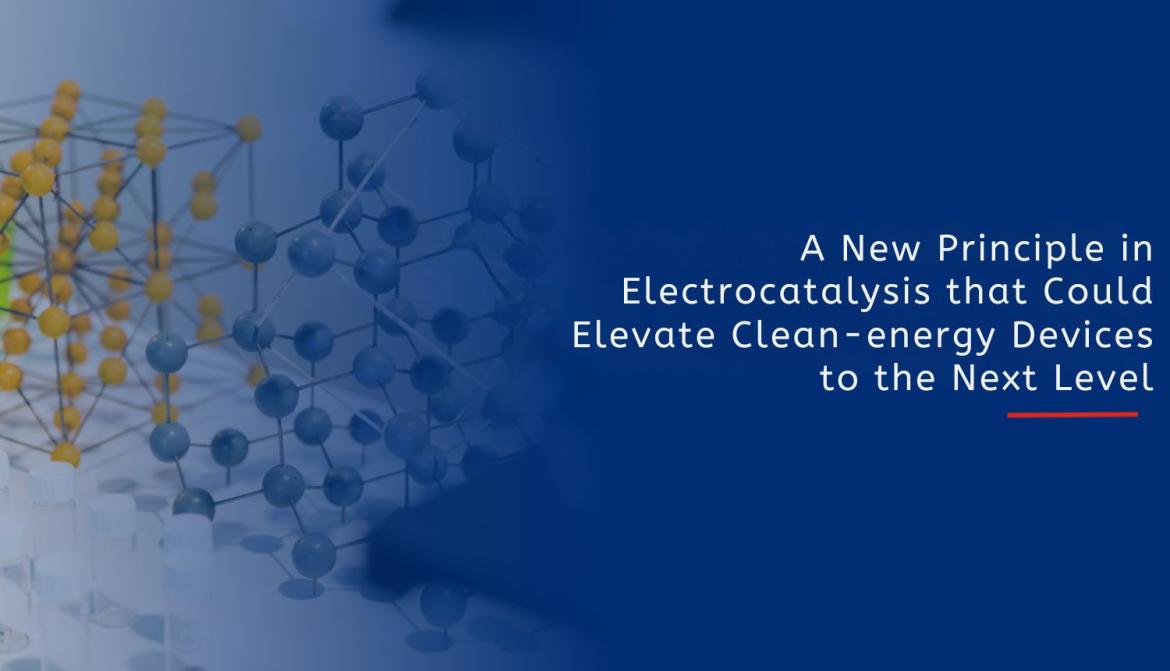
elektrokatalīze_ENG.jpg
Publicity image.

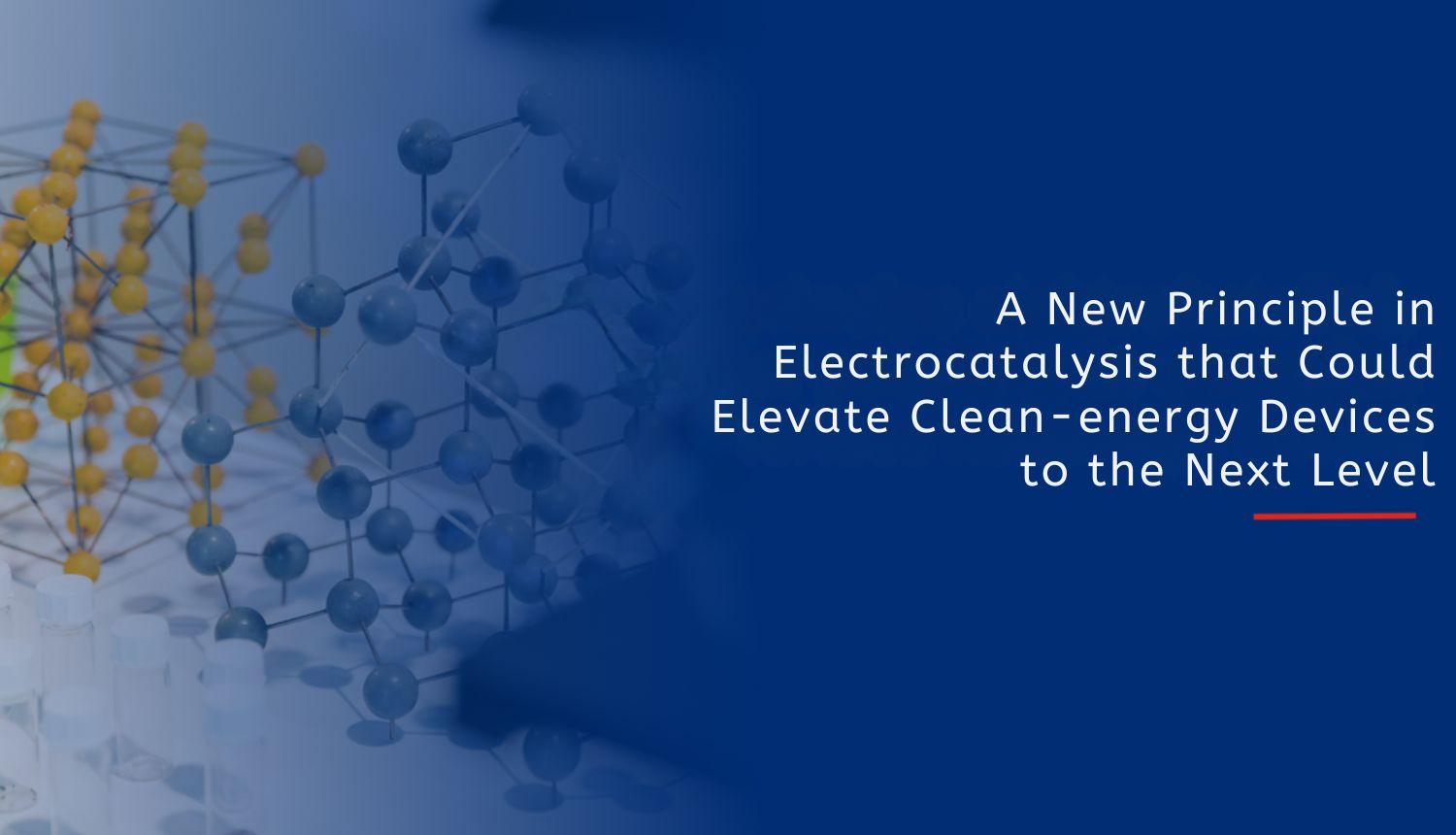
The review article provides an in-depth explanation of scaling relations - fundamental chemical laws that connect the energetics of reaction steps and determine the performance limits of any catalyst.

Electrocatalysis is often illustrated as a volcano, because this analogy helps explain why one catalyst performs better than another. Scaling relations define the possible paths one can take when "climbing" the surface of this volcano, with each step representing a potential catalyst. The summit symbolises the ideal catalyst that researchers strive to reach. The higher one climbs, the more active the catalyst becomes. Until recently, only one path to the summit was known. This review shows that there are many more, and some of them may lead all the way to the very top.

According to Dr. chem. Vladislav Ivaništšev , these insights make it possible to achieve even the ideal catalyst: "We demonstrate that scaling relations can be deliberately influenced by adjusting the geometry of catalytic sites."

The authors' key conclusion is a new principle, "not too close, not too far", that relates to the distances between atoms at the reaction site. It complements the classic Sabatier principle "not too strong, not too weak", which governs the binding strength of intermediates. Together, these principles open up multiple potential routes to the "summit," most of which remain unexplored.

Read the article in the journal Chemical Society Reviews
 

Recommended articles

achievements natural sciences

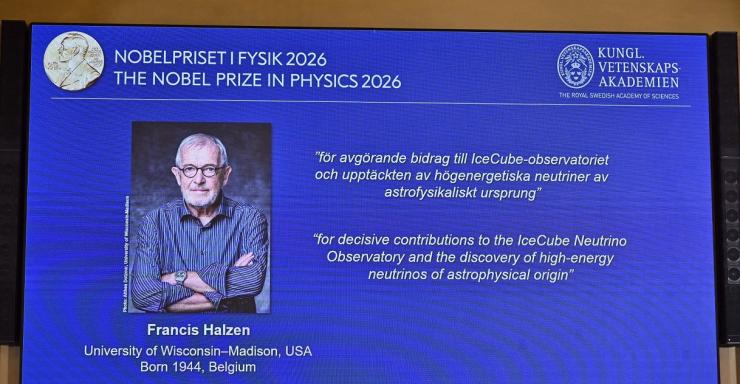
Nobel Prize in Physics awarded for neutrino research and the establishment of an observatory at the South Pole

This year’s Nobel Prize in Physics has been awarded to Belgian-born American scientist Francis Halzen for his contribution to neutrino research and the establishment of the “IceCube” observatory at the South Pole. Thanks to Halzen’s ideas, scientists succeeded in discovering a new type of neutrino …

lsm.lv

October 7, 2026

achievements

Archaeology, soil, bioplastics. What are the Latvian recipients of the Baltic Fellowship for Women in Science researching?

Research on ceramics in archaeology, agricultural soil research in the context of climate change, and research on composite materials and biopolymers in chemistry – these are the fields represented by young Latvian female scientists that have received recognition in the annual “Baltic Fellowship fo…

LSM.lv

September 28, 2026

achievements research

University of Latvia Professor Andrejs Cēbers receives the prestigious R. E. Rosensweig Medal for outstanding achievements in magnetic fluid research

This summer, from 5 to 10 July, the 17th International Conference on Magnetic Fluids (ICMF17) took place in Vienna. During the conference, Professor Andrejs Cēbers of the Department of Physics at the Faculty of Science and Technology of the University of Latvia (UL) received the highest award of th…

University of Latvia

September 25, 2026

quantum technologies international collaboration innovation achievements

The Armed Forces Are Very Interested in It. What Can the Latvia-Made “Quantum Box” That Travelled to Paris Do?

From the outside, it looks like a small, compact box that can be held in one hand, but inside it houses a quantum detector, a microwave generator, a laser, and an onboard computer. Behind its modest exterior lie more than ten years of research, quantum physics, diamond crystals, international coope…

Ieva Lazdiņa, delfi.lv

September 14, 2026