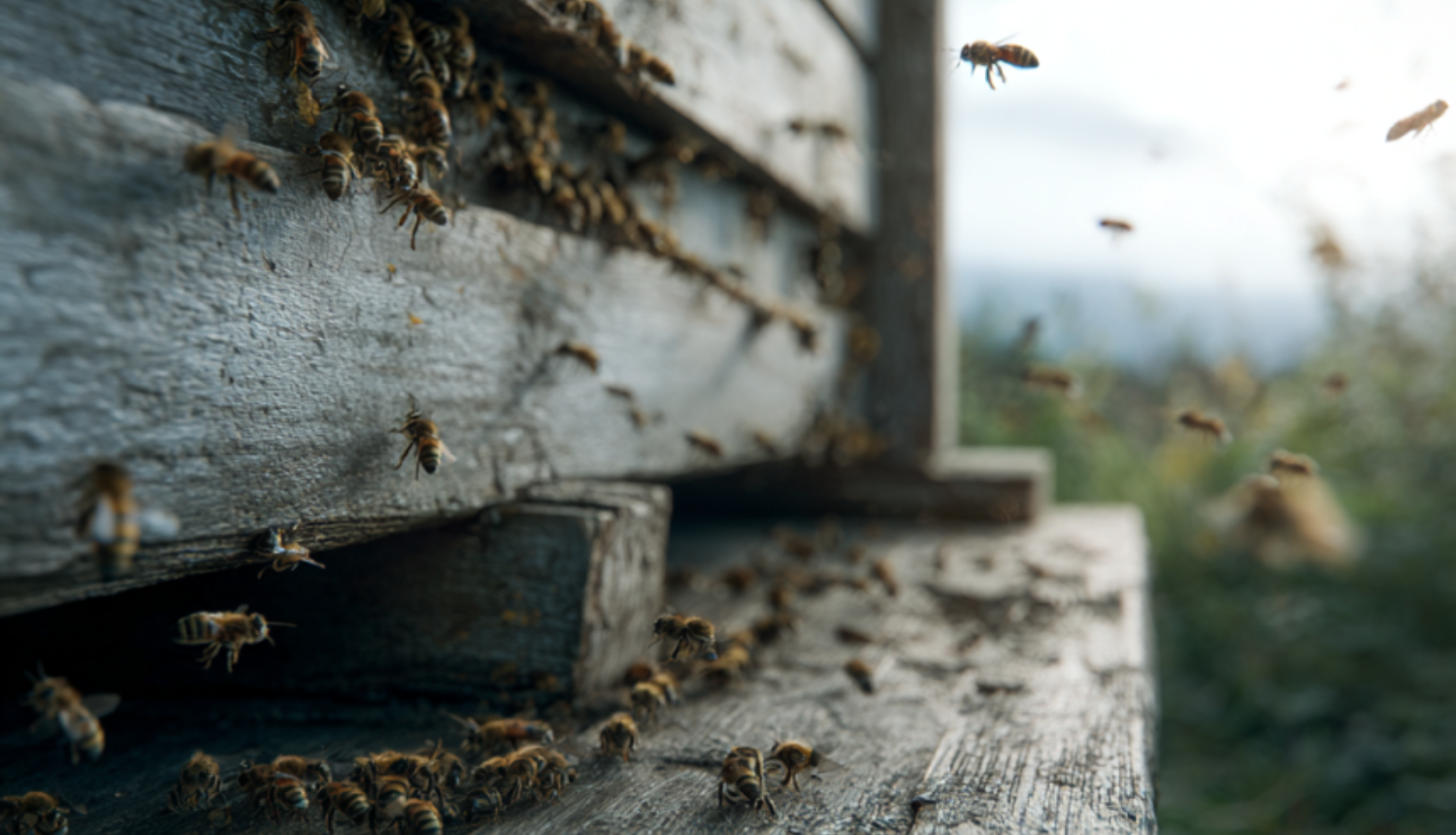
Changing climate patterns, especially unpredictable winters, pose a significant threat to bee colony survival across Europe. A study conducted by Wageningen University, commissioned by the Dutch Ministry of Agriculture, Nature and Food Quality, found that 21.2% of bee colonies did not survive the winter of 2023–2024 (Wageningen University & Research, 2024). Similar figures have been reported in Germany (16.2%), Switzerland (18.9%), and Austria (12.6%) (Agroscope&Bienen.ch, Imkerbund.at, 2023–2024).
Latvia reflects the same trend. According to the Latvian Beekeepers’ Association (LBB), in collaboration with the COLOSS project, winter colony mortality between 2012 and 2024 ranged from 7.2% to 19.6%, with an average of 14.08% (LBB, 2024).
Innovation for Bee Health
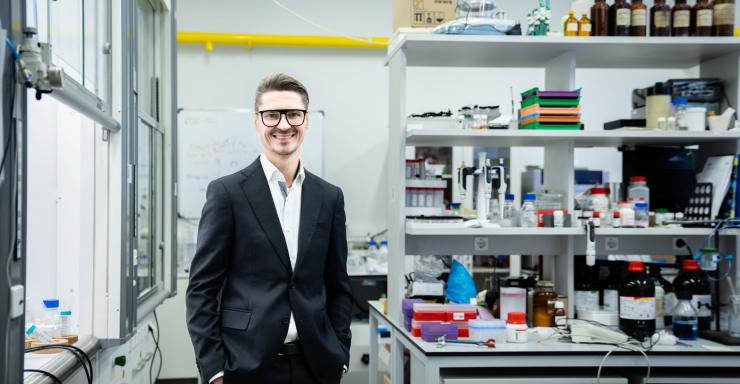
The goal of the new project by the Latvian State Institute of Wood Chemistry – “Development of a method for beehive shielding using thermoreflective surfaces to reduce bee losses under rapid climate change” – is to create a solution to reduce winter bee mortality by using thermoreflective internal hive surfaces and a new environmentally friendly composite material that combines the durability of wood with the thermal insulation properties of expanded polystyrene (EPS) hives. The project is led by our Cellulose laboratory researcher, Dr. biol. Ulla Milbreta.
An experimental apiary with 36 hives is being established on the roof of the LSIWC. All hives will be equipped with a sensor network for real-time monitoring of hive weight, internal temperature and humidity, and ambient environmental conditions.
Data-Driven Insights
Bee colony health and survival are closely linked to stable microclimatic conditions inside the hive. International research increasingly confirms that the quality of insulation materials and early, data-based monitoring are two key directions for adapting beekeeping to a changing climate.
A 2024 Polish study (published in Fibres & Textiles in Eastern Europe) examined a new biodegradable hive insulation material that reduces heat loss and stabilizes internal hive temperatures. Simultaneously, researchers used remote monitoring with sensors to track changes in temperature, weight, and humidity – enabling the early detection of anomalies in bee behavior and preventing colony weakening before visible symptoms occur. This approach is already being adopted in countries such as Italy and Hungary (Gorecki et al., 2024).
Meanwhile, a study by a team including researchers from Cornell University developed an Explainable AI method that uses only internal temperature data to accurately assess bee colony health. The study identified low temperature stability, sharp fluctuations, and prolonged periods below 10°C as critical risk indicators. These findings reinforce the importance of insulation and careful microclimate management for sustainable beekeeping (Arias-Calluari et al., 2025).
In Latvia, a 2022 field study by the Latvia University of Life Sciences and Technologies (LBTU) monitored experimental hives in Vecauce using sensors to collect real-time data on colony dynamics across seasons. The data confirms that precision beekeeping technologies can detect wintering issues and early signs of colony weakness (LBTU, 2022).
Climate as a Stressor and Innovation Catalyst
Warm autumns and winters increase the activity of Varroa mites and disrupt the bees’ biological rhythm (Rajagopalan et al., 2024). Hives that lose heat or overheat experience unstable nest temperatures, leading to colony collapse or premature depletion of food reserves before spring.
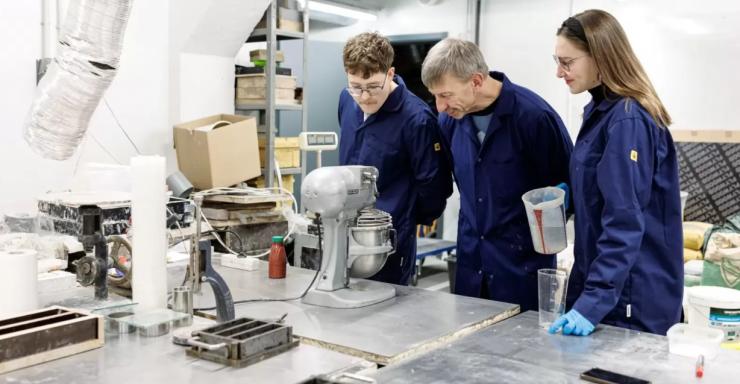
As part of the project, LSIWC researchers will develop a practical solution for beekeepers in Latvia and across Europe. By comparing the impact of shielded and unshielded hives on bee vitality and evaluating the effect of shielding on the bee life cycle in both wooden and EPS hives, the team will propose a polyurethane-natural fiber composite material that combines the structural strength of wood with the low thermal conductivity and lightweight properties of EPS. The material’s heat capacity, thermal conductivity, and mechanical strength will be tested for use in a prototype hive.
From Hive Construction to Food Security
This project is not only about beekeeping. Bees are among Europe’s most vital pollinators, enabling the pollination of over 75% of food crops. They directly affect agricultural yields and price stability.
Bee mortality has consequences for entire ecosystems, food security, and regional economies. Therefore, innovative solutions, such as climate-resilient, shielded hive walls and data-driven hive management, are essential tools for climate adaptation.
Project Partners
The project brings together three partners, each contributing their expertise:
- LSIWC – research in materials science, bee monitoring and data analysis,
- SIA Salix – bee colonies provision, beekeeping consulting,
- SIA RS Bite – supply of beehive frames and wax, beekeeping consulting.
This collaborative approach will enable the development of practically applicable, sustainable solutions that could shape the future of beekeeping in Latvia and beyond.