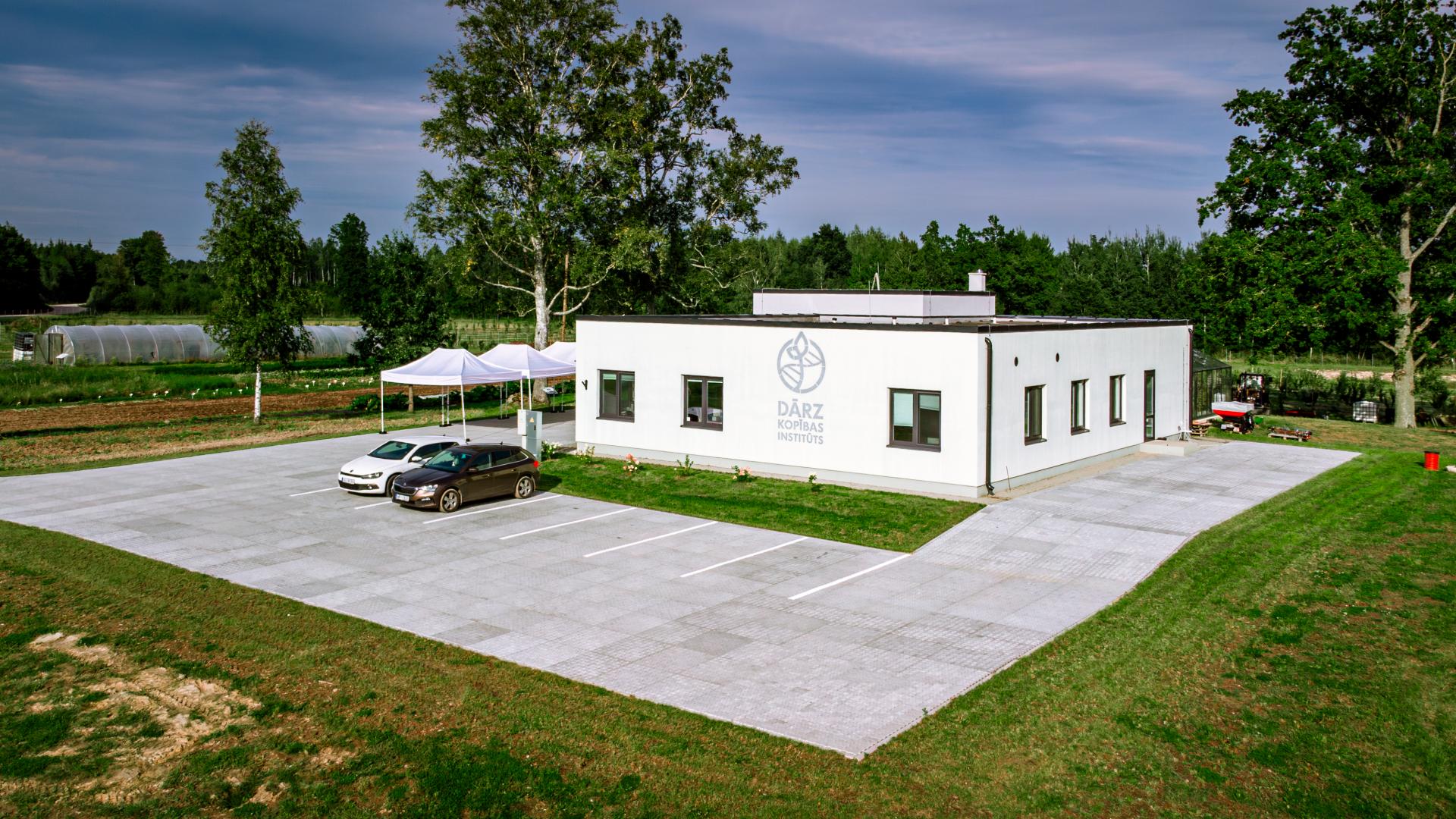
Research
The Institute of Horticulture is one of the leading research centres for fruit and vegetable science in the Nordic-Baltic region. For over 80 years, Latvian scientists in Dobele and Pūre have been developing new horticultural cultivars adapted to Baltic climatic conditions, investigating environmentally sustainable horticultural systems, creating innovative food products, and conducting advanced research in plant biology using modern technologies to expand scientific knowledge. In addition to its research activities, the Institute organises educational and public outreach events and welcomes visitors to its lilac and fruit gardens.
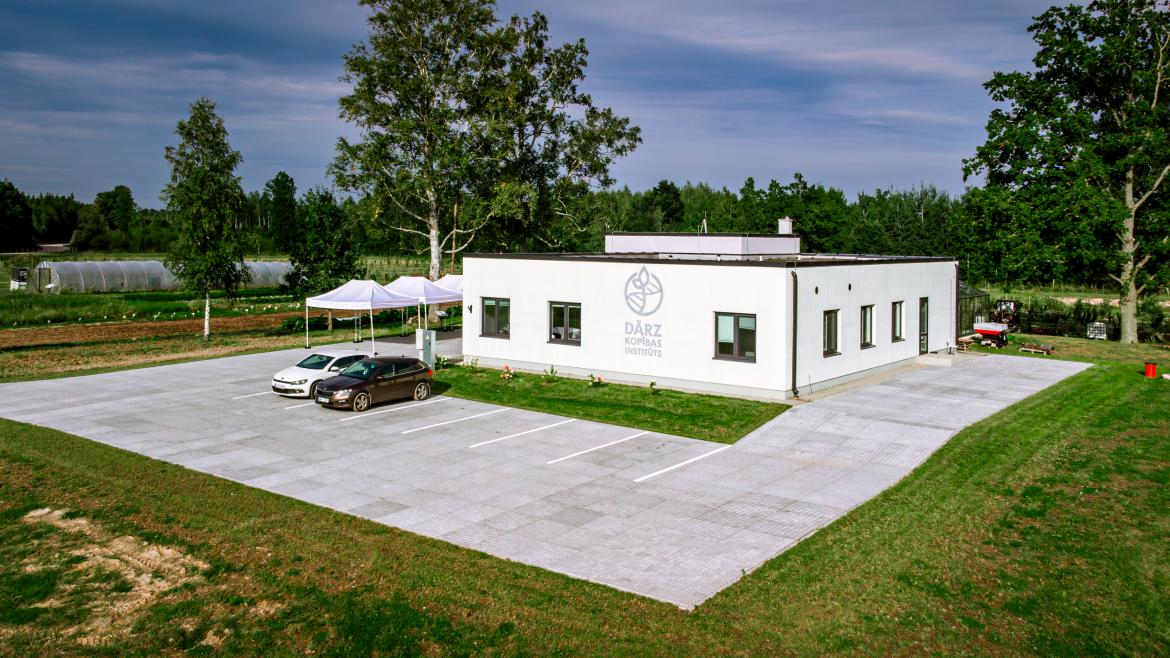
The Institute brings together scientific excellence, the power of nature, and a deep passion for horticulture—just as the fragrance of blooming lilacs blends with the flavour of locally grown fruits and berries, offering visitors a genuine taste of Latvia.
In both Dobele and Pūre, researchers develop and optimise modern cultivation technologies that improve productivity and efficiency while promoting environmentally friendly and sustainable horticultural practices. Their work contributes to the production of high-quality fruit and berry crops. Scientists also conduct research in molecular biology and plant pathology. Among the Institute's recent achievements is research on tocotrienols—lesser-known members of the vitamin E family—found in plant species native to our region, highlighting their potential significance for human health.
The achievements of the Institute's scientists are recognised not only nationally but also internationally. For example, in 2012 the Institute became one of the first research organisations worldwide to register a Japanese quince cultivar, 'Rasa'.
Knowledge Transfer to Society
Each year, the Institute's researchers develop innovative recipes and value-added fruit and berry products, improve cultivation and storage technologies, and provide scientific support to the horticultural sector. Specialists from the Institute offer consultations to growers, food producers and entrepreneurs, while also organising training courses, workshops and educational events. More information is available through the FruitTech Centre (fruitechcentre.eu), which serves as the Institute's Knowledge and Technology Transfer Centre.
The Institute develops high-quality fruit cultivars suitable for commercial production, combining excellent flavour with high biological value, disease resistance, staggered ripening periods and ease of cultivation. In recent years, breeders have registered—or submitted for registration—new cultivars of apple, sweet cherry, apricot, Japanese quince and even melon. In addition to fruit crops, new garlic and onion cultivars have also been developed. Among the most notable achievements are the Latvian-bred apple cultivars 'Ināra', 'Raivo' and the recently developed winter apple cultivar 'Felicita', which has demonstrated enhanced resilience to adverse growing conditions during field trials.
Germplasm Collections and Experimental Orchards
The Institute's largest experimental orchards and germplasm collections are located approximately 70 km from Riga, near the town of Dobele, where the East Courland Upland transitions into the Zemgale Plain. The climatic conditions of this region are particularly favourable for fruit production, allowing successful cultivation of crops that are often challenging elsewhere in Latvia, including sweet cherries, apricots, peaches and other fruit species.
The Institute is best known for maintaining the largest lilac collection in Europe, comprising more than 300 cultivars and species. It also houses one of Latvia's largest apple germplasm collections, with approximately 600 cultivars representing early- and late-ripening, summer, autumn and winter apples, as well as ornamental and columnar apple trees. In addition, the Institute maintains the largest collections in the Baltic States of sweet cherries, plums, pears, apricots, Japanese quince and berry crops. These collections are continuously expanded, evaluated and conserved as valuable genetic resources.
The Pūre Research Centre is dedicated primarily to vegetable research and the conservation of vegetable genetic resources.
Culture and Public Engagement
Each spring, during the lilac flowering season, the Institute hosts an extensive cultural programme. One of its signature events is the annual classical music concert held at the end of May, which has attracted audiences since 2002.
In early July, visitors are invited to the Institute's cherry orchards, where sweet and sour cherries can be tasted, picked and purchased. Every October, the Institute celebrates the apple harvest by organising the annual Apple Festival in Dobele.
The Institute is also home to the Peteris Upītis Museum of Horticulture, located in the historic building where the renowned Latvian plant breeder Pēteris Upītis lived and worked. Established in 1979 in accordance with his last will and testament, the museum preserves his scientific legacy and the history of horticultural research in Latvia.
Watch the ResearchLatvia calendar video story dedicated to July’s Science Personality – Dr. agr. Līga Lepse, Chair of the Scientific Council of the Institute of Horticulture and Senior Researcher at the Department of Agrotechnical Research and Variety Evaluation – to learn more about her research.