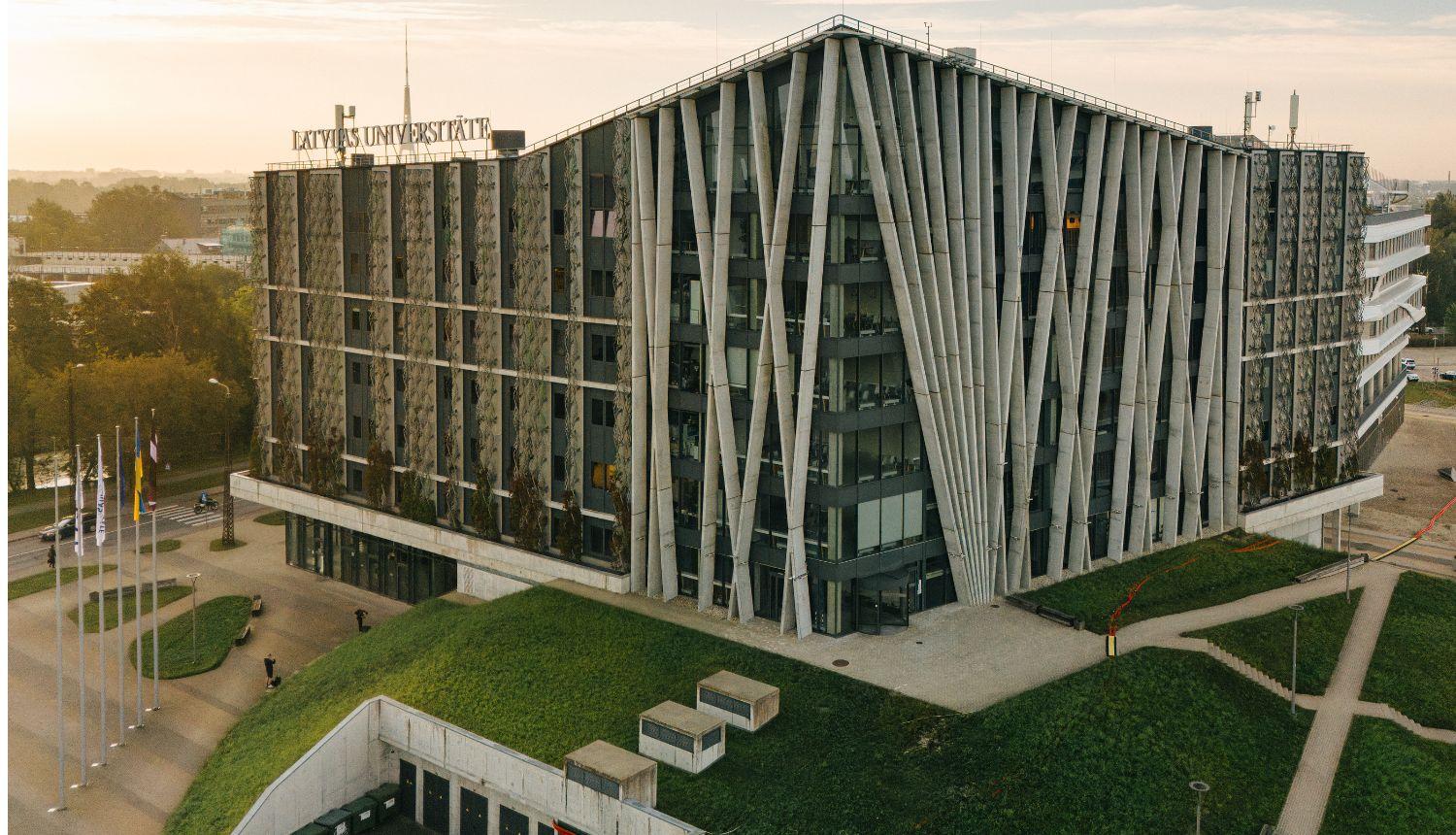
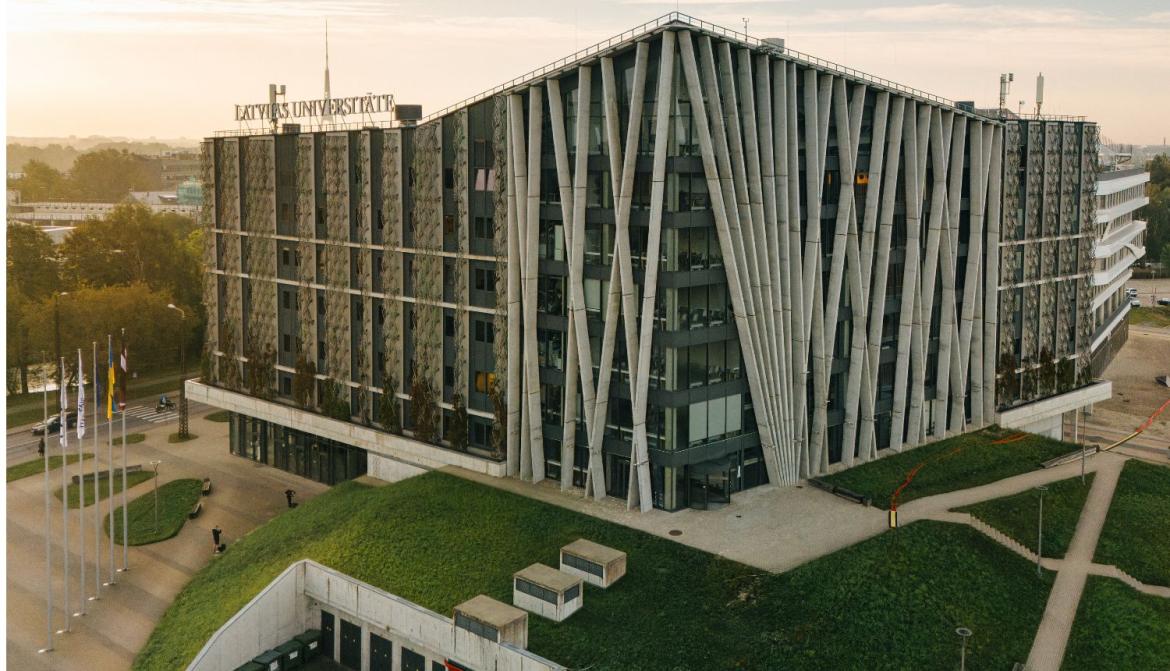
The University of Latvia (UL), founded in 1919, is the leading research university in Latvia, combining classical European higher education traditions with a modern environment of science and innovation. More than 15,600 students from over 70 countries, six faculties and the BA School of Business and Finance, six regional branches, and 28 research institutes together form a diverse and internationally recognised academic ecosystem at the UL.
This autumn, the science communication brand researchLatvia highlights UL’s significant contribution to research both nationally and globally. UL is also a Member of researchLatvia – an initiative uniting 12 leading Latvian universities that conduct internationally recognised research and provide science-based solutions to society’s needs.
UL operates in four strategic specialisation areas: natural sciences, humanities and arts, medical and health sciences, as well as social sciences. The university’s research results strengthen Latvia’s competitiveness and provide answers to key societal challenges.
Achievements in science affirm UL’s leadership – more than 300 scientific and contract projects are implemented, over 2,000 scientific publications were published last year, and research funding has exceeded 50 million euros. Faculties and institutes of UL carry out about 45% of Latvia’s research projects and are active in international programmes such as Horizon Europe, in global consortia like CERN and EUROfusion, and lead European cooperation projects such as EUCanScreen. This level of research activity demonstrates the university’s ability to address challenges not only in Latvia but also across Europe and the world.
Training of researchers is an integral part of UL’s mission. The university offers more than 100 study programmes, including over 30 in English, with opportunities for double degrees and study abroad. Currently, more than 600 doctoral students are enrolled, supported by the Doctoral School, which provides a modern and supportive academic environment. Young researchers are involved in projects already during their studies, thus ensuring the continuity of science and fostering innovation.
The UL Innovation and Acceleration Centre and OpenLab are driving forces of cooperation with industry – with more than 2 million euros in contract projects and a portfolio of over 90 patents, know-how, and trademarks. According to the Times Higher Education Impact Rankings, the UL ranks among the world’s top 300 universities in innovation.
The University is proud of its scientists and their achievements.
Professor Inta Mieriņa in 2024 became only the second Latvian scientist to receive a prestigious European Research Council (ERC), researching societal attitudes towards migration in the context of war.
Professor Vyacheslavs Kashcheyevs continues advancing quantum technology research, with his team’s results published this year in the prestigious journal Nature.
Leading researcher Valdis Bērziņš has contributed to Latvian historical research, enabling UL to become a partner in the prestigious EU-funded MSCA doctoral network project ArCHe (Archaeological Coastal Heritage), which explores coastal archaeological heritage – its past, present, and future.
UL continues to strengthen its position in prestigious global university rankings, including the QS World University Rankings and the Times Higher Education World University Rankings.
By combining academic excellence, international cooperation, and research with practical application, UL continues to fulfil its motto – For Science and Fatherland, shaping a future where the power of science serves society and human development.